Aluminium is the most abundant metal in the Earth's crust, and it's virtually everywhere. From the pots and pans in our kitchens to the deodorants we use daily, aluminium is a ubiquitous part of modern life. While it has many useful applications, concerns have been raised about its potential effects on our health. This blog post delves into the ways aluminium exposure can impact our physical and mental well-being, identifies common sources of exposure, and provides practical steps you can take to avoid and detoxify from this pervasive metal.
The Health Impacts of Aluminium
Aluminium's effects on human health are complex and still being researched. While our bodies can naturally process and excrete small amounts of aluminium, chronic or excessive exposure can lead to accumulation in various tissues and organs. This build-up has been linked to a range of health issues, both physical and mental.
Physical Health Concerns:
- Bone Health: Aluminium can interfere with the absorption of calcium and phosphorus, essential minerals for bone health. This interference may contribute to weakened bones and an increased risk of fractures, especially in individuals with kidney problems.
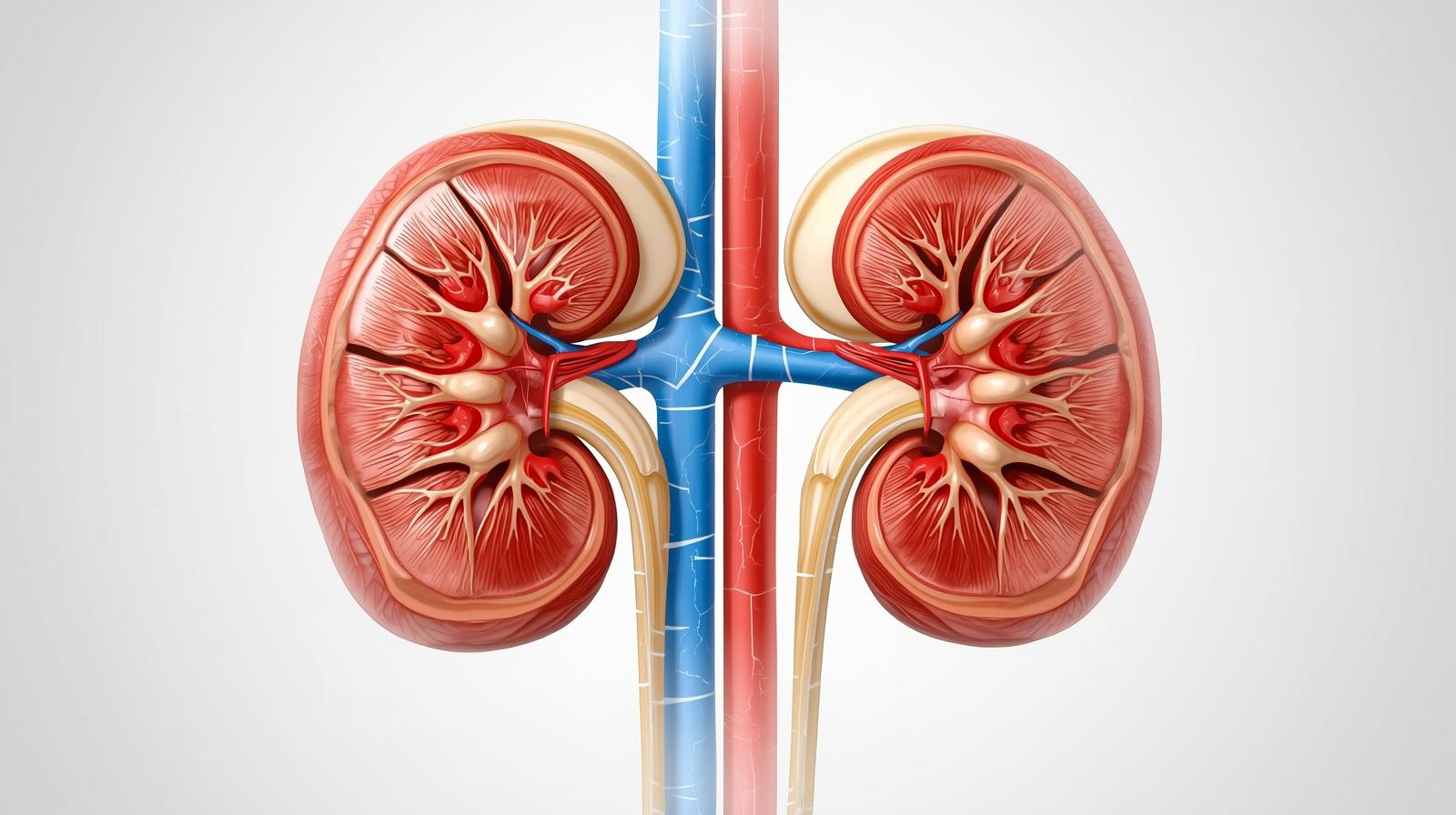
- Kidney Function: The kidneys are crucial for filtering and eliminating toxins, including aluminium, from the body. Excessive aluminium exposure can overburden the kidneys, potentially leading to kidney damage or impaired function. Individuals with pre-existing kidney conditions are particularly vulnerable.
- Gastrointestinal Issues: Aluminium can disrupt the delicate balance of the gut microbiome, potentially leading to digestive problems such as constipation, bloating, and abdominal pain. It can also interfere with nutrient absorption.
- Immune System Dysfunction: Some studies suggest that aluminium can act as an adjuvant, stimulating the immune system and potentially contributing to autoimmune disorders. However, more research is needed in this area.
Mental Health Concerns:
- Neurological Effects: One of the most concerning aspects of aluminium exposure is its potential neurotoxicity. Aluminium can cross the blood-brain barrier and accumulate in brain tissue. Studies have suggested a link between aluminium accumulation in the brain and an increased risk of neurodegenerative diseases like Alzheimer's disease. While the exact role of aluminium in Alzheimer's is still debated, research suggests it may contribute to the formation of amyloid plaques, a hallmark of the disease.
- Cognitive Impairment: Even in the absence of neurodegenerative diseases, high levels of aluminium exposure have been associated with cognitive impairment, including memory loss, difficulty concentrating, and reduced learning ability.
- Mood Disorders: Some research suggests a possible link between aluminium exposure and mood disorders like depression and anxiety. However, this is an area that requires further investigation to establish a clear causal relationship.
It's important to note that these are potential risks associated with excessive aluminium exposure. The degree to which aluminium affects an individual's health can vary depending on factors such as age, genetics, overall health, and the level and duration of exposure.
Sources of Aluminium Exposure
Aluminium is found in a wide array of products and environmental sources. Understanding these sources is the first step in minimizing your exposure.
- Food and Beverages:
- Cookware: Aluminium pots and pans can leach aluminium into food, especially when cooking acidic foods like tomatoes or citrus fruits. Using stainless steel, glass, or ceramic cookware can reduce this source of exposure.
- Food Packaging: Aluminium foil, cans, and packaging materials can transfer aluminium to food, particularly when exposed to heat or acidic conditions. Minimizing the use of these materials is advisable.
- Processed Foods: Some processed foods, such as baked goods, processed cheeses, and pickles, may contain aluminium-based food additives.
- Drinking Water: While most municipal water supplies are treated to minimize aluminium levels, some may still contain trace amounts.
- Personal Care Products:
- Antiperspirants and Deodorants: Many antiperspirants contain aluminium compounds as their active ingredient to block sweat ducts. Switching to aluminium-free alternatives can significantly reduce exposure.
- Cosmetics: Aluminium is sometimes used as a colorant or thickening agent in cosmetics, such as eyeshadows, lipsticks, and lotions. Reading ingredient labels carefully can help you avoid products containing aluminium.
- Toothpaste: Some toothpastes contain aluminium compounds. Check the ingredient list or consult with your dentist for recommendations on aluminium-free alternatives.
- Medications:
- Antacids: Many over-the-counter antacids contain aluminium hydroxide to neutralize stomach acid. Frequent use of antacids can lead to significant aluminium exposure. Consider alternative remedies or consult a doctor about alternative treatments.
- Vaccines: Some vaccines contain trace amounts of aluminium as an adjuvant, which (apparently) helps to stimulate the immune system. The amount of aluminium in vaccines is generally considered safe by health authorities, but it remains a topic of debate.
- Environment:
- Air: Aluminium can be found in airborne dust particles, especially in industrial areas.
- Soil: Aluminium is a natural component of soil, and it can be absorbed by plants. Individuals living near industrial sites or areas with high soil aluminium levels may be exposed through contaminated dust or produce.

Practical Steps to Avoid and Detoxify from Aluminium
While completely eliminating aluminium exposure is virtually impossible, there are several practical steps you can take to minimize your intake and support your body's natural detoxification processes.
Minimizing Exposure:
- Choose Aluminium-Free Personal Care Products: Switch to aluminium-free antiperspirants, deodorants, cosmetics, and toothpaste. Read ingredient labels carefully and opt for products made with natural ingredients.
- Use Alternative Cookware: Replace aluminium pots and pans with stainless steel, glass, ceramic, or cast iron cookware. Avoid using aluminium foil for cooking, especially with acidic foods.
- Reduce Processed Food Consumption: Limit your intake of processed foods, which may contain aluminium-based additives. Focus on eating whole, unprocessed foods as much as possible.
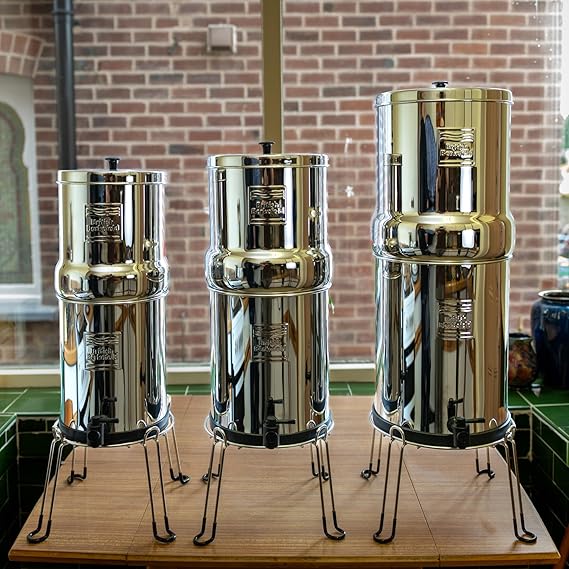
- Filter Your Water: Use a high-quality water filter that removes aluminium and other contaminants from your drinking water. Consider investing in a whole-house water filter for maximum protection.
- Be Mindful of Medications: If you frequently use antacids, talk to your doctor about alternative treatments or remedies. If you have kidney problems, be especially cautious about medications containing aluminium.
- Reduce Exposure to Environmental Sources: If you live near an industrial site or an area with high soil aluminium levels, take precautions to minimize your exposure to dust and soil. Keep windows closed, use air purifiers, and wash your hands frequently.
Supporting Detoxification:
- Hydration: Drinking plenty of water is essential for supporting your body's natural detoxification processes. Water helps to flush out toxins through the kidneys and liver.
- Diet: A healthy diet rich in fruits, vegetables, and fiber can help to support detoxification. Certain foods, such as cilantro, garlic, and onions, are believed to have chelating properties that can help to bind to heavy metals like aluminium and facilitate their removal from the body.
- Sweating: Sweating is another way your body eliminates toxins. Regular exercise, sauna sessions, or hot baths can help to promote sweating and detoxification.
- Supplements: Some supplements, such as chlorella, spirulina, and activated charcoal, are believed to have detoxifying properties. However, it's important to talk to your doctor before taking any supplements, especially if you have any underlying health conditions or are taking medications.
- Limit Sugar and Processed Foods: Processed foods and sugary drinks often contain additives and chemicals that can hinder detoxification. Reducing your intake of these items allows your body to focus on eliminating aluminium.
- Consider a Detox Program: For those seeking a more comprehensive approach, various detox programs claim to remove heavy metals. These programs should be approached with caution, researched thoroughly, and ideally undertaken with guidance from a healthcare professional.

The Importance of Further Research
While there is growing evidence suggesting potential health risks associated with aluminium exposure, further research is needed to fully understand the extent and nature of these risks. Larger, well-designed studies are necessary to establish clear causal relationships between aluminium exposure and specific health outcomes. Additionally, more research is needed to identify effective strategies for preventing and treating aluminium toxicity.
Continued research in this area is crucial for informing public health policies and guidelines, as well as for developing safer alternatives to aluminium-containing products. By staying informed about the latest research and taking proactive steps to minimize your exposure, you can protect your health and well-being.
In Summary
Aluminium is a pervasive metal found in many aspects of modern life, from cookware to personal care products. While it serves many useful purposes, concerns exist regarding its potential impact on physical and mental health. This blog post has explored the potential health risks associated with aluminium exposure, identified common sources of exposure, and provided practical steps to minimize your intake and support your body's natural detoxification processes. By taking these steps, and by supporting continued research, you can make informed choices and promote your well-being in the face of this ubiquitous metal.
Foe the removal of heavy metals, I personally use this water filter and would highly recommend it to others:
NOTE:
This post includes affiliate links to Amazon. If you choose to buy through these links, I may earn a small commission, which helps support this blog—thank you.
Recommended Water Filter: