Welcome to an insight into my personal library (Part 1). All the books I review, I actually own and utilise in my research when writing blogs and as a reference point when revisiting certain subjects and topics. I have also used these books to help with research when gaining my Health & Wellbeing qualifications, hence, I cannot recommend them highly enough.
Here they are in order of review:
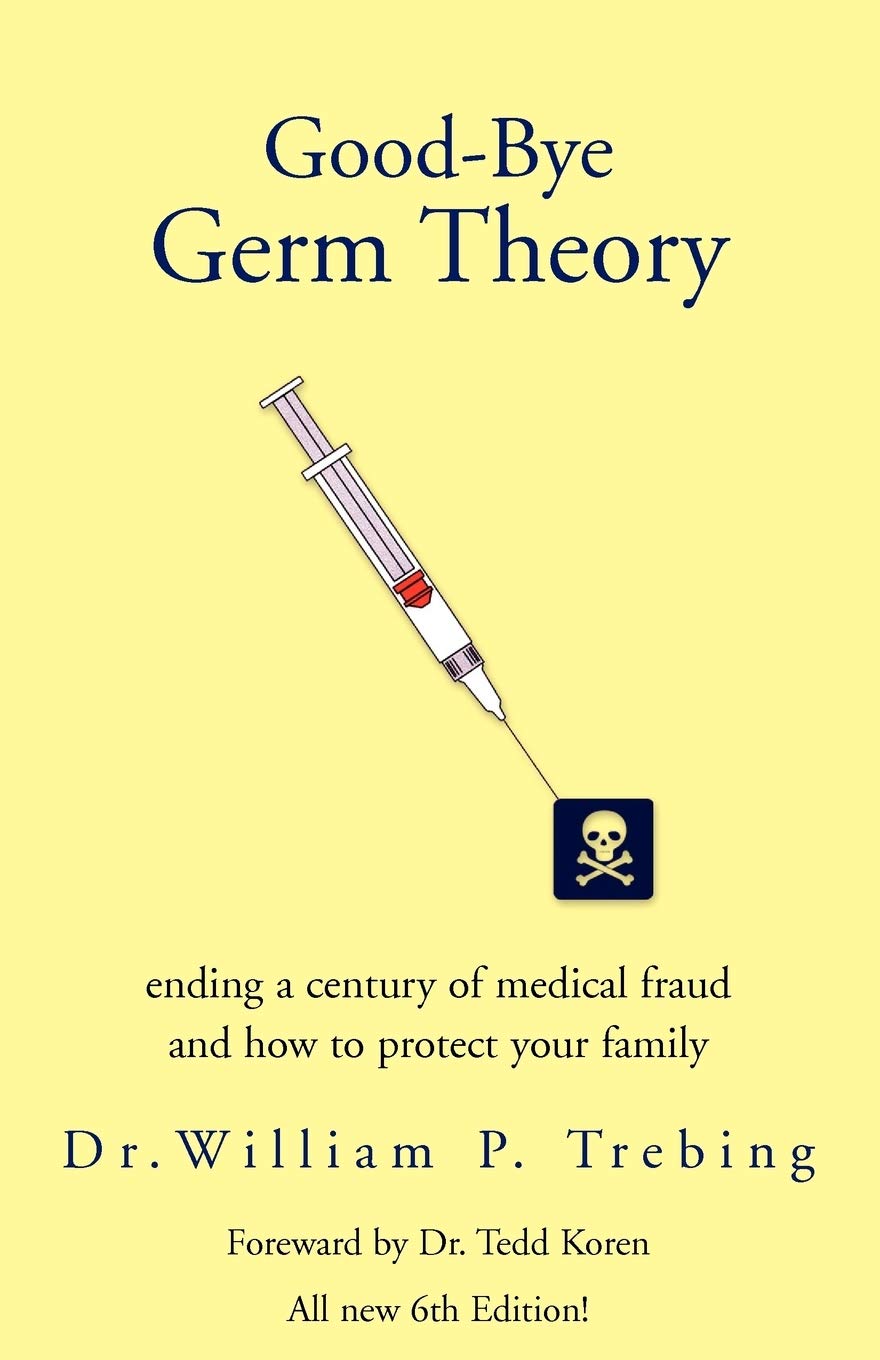
Good-Bye Germ Theory
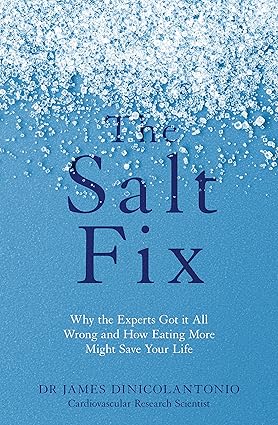
The Salt Fix
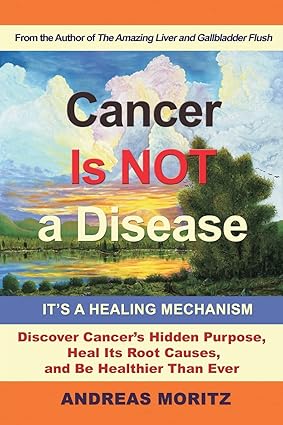
Cancer is not a Disease
Heavy Metal Detox
The Cure For All Diseases
Cancer: The Metabolic Disease Unravelled
Eat to Beat Disease
Can You Catch A Cold?
What Really Makes You Ill
Mitochondria and the Future of Medicine
Medical Monopoly
Terrain Therapy
Lets Begin:
Good-Bye Germ Theory:
Goodbye Germ Theory is a refreshing and deeply affirming read for anyone drawn to holistic, homeopathic, or natural approaches to health. From the outset, the book challenges one of the most dominant assumptions of modern medicine—that germs are the primary cause of disease—and invites readers to consider a far more nuanced, body-centered understanding of illness. Rather than promoting fear of microbes, the author reframes health as a dynamic balance between the body, the environment, and the inner terrain.
From an holistic perspective, this book feels long overdue. Homeopathy, naturopathy, and other traditional healing systems have long emphasized that the body’s internal state—its vitality, resilience, and balance—is what determines health outcomes. Goodbye Germ Theory aligns strongly with this view, arguing that bacteria and viruses are not external invaders acting alone, but participants in a much larger biological ecosystem. Disease, the author suggests, arises when the terrain is weakened by stress, toxicity, poor nutrition, emotional trauma, or environmental overload.
One of the book’s greatest strengths is its critique of mainstream healthcare’s narrow focus on symptom suppression. The author thoughtfully examines how modern medicine often prioritizes killing pathogens over understanding why the body became vulnerable in the first place. From an holistic standpoint, this rings true. Antibiotics, antivirals, and aggressive interventions may offer short-term relief, but they frequently ignore the deeper imbalance that allowed illness to manifest. The book makes a compelling case that true healing requires restoring harmony within the body, not waging war against microorganisms.
The discussion of terrain theory is particularly satisfying for readers familiar with homeopathic principles. The idea that the body’s internal environment determines susceptibility to disease mirrors the homeopathic emphasis on vital force and constitutional strength. Rather than treating illness as an enemy to be eradicated, Goodbye Germ Theory encourages respect for the body’s intelligence and its innate capacity to heal when properly supported. This perspective feels both empowering and humane, especially in contrast to the often mechanistic view of the body promoted by conventional medicine.
Another admirable aspect of the book is its willingness to question medical authority. The author explores how germ theory became dominant historically, not solely because it was irrefutably proven, but because it aligned with industrial, pharmaceutical, and economic interests. This critical lens is essential. Holistic practitioners and patients alike have long observed that mainstream healthcare can be dismissive of approaches that cannot be patented, standardized, or easily monetized. Goodbye Germ Theory does not reject science outright, but it challenges readers to recognize where science has been shaped by power structures rather than patient wellbeing.
The tone of the book is confident and unapologetic, which may feel radical to some readers, but reassuring to others. For those who have felt unheard or invalidated by conventional healthcare systems, this book offers validation. It acknowledges the limitations of a one-size-fits-all medical model and honors individual experience as a meaningful source of insight. While mainstream medicine often discounts anecdotal evidence, holistic traditions recognize lived experience as an essential component of healing knowledge.
Importantly, Goodbye Germ Theory also emphasizes personal responsibility—not in a blaming way, but in an empowering one. Health is presented as something we actively cultivate through lifestyle, emotional awareness, nutrition, and environmental choices. This aligns beautifully with homeopathic philosophy, which sees healing as a cooperative process between practitioner and patient, rather than something imposed externally through drugs or procedures.
Critics may argue that the book is too dismissive of conventional medicine, but from an holistic viewpoint, its value lies precisely in this challenge. Mainstream healthcare excels in acute care and emergency intervention, yet often falls short when it comes to chronic illness, prevention, and whole-person healing. Goodbye Germ Theory does not deny that medical interventions can be useful; rather, it questions their dominance and overuse, urging a more balanced and respectful integration of natural healing principles.
In conclusion, Goodbye Germ Theory is an inspiring and thought-provoking book for anyone seeking alternatives to fear-based, pathogen-focused models of health. Grounded in holistic wisdom and aligned with homeopathic philosophy, it invites readers to trust the body, question medical dogma, and reclaim a more compassionate and intelligent understanding of illness. Whether you fully embrace its arguments or simply allow them to expand your perspective, this book offers a powerful reminder that health is about balance, not battle.
NOTE:
This post includes affiliate links to Amazon. If you choose to buy through these links, I may earn a small commission, which helps support this blog—thank you.
The Salt Fix:
The Salt Fix is a ground breaking and transformative book that invites readers to re-evaluate one of the most vilified substances in modern nutrition: salt. From an holistic and homeopathic viewpoint, this book feels like a breath of fresh air in a world dominated by fear-based dietary guidelines and oversimplified medical directives. The author challenges long-standing assumptions, asserting that salt is not merely safe in reasonable amounts—it is essential for optimal health. In doing so, The Salt Fix offers a much-needed corrective to mainstream healthcare’s often rigid, one-size-fits-all nutritional dogma.
At its heart, The Salt Fix dismantles the harmful myth that sodium consumption is a primary driver of high blood pressure and heart disease. Drawing on a wide range of scientific research, historical context, and clinical observation, the author reveals how low-salt recommendations have been propagated more by institutional inertia than by robust evidence. From an holistic perspective, this resonates deeply: the body is not a simplistic machine governed by single-factor rules, but a complex, adaptive organism that thrives on balance, context, and individuality.
One of the most compelling aspects of the book is its emphasis on individual variation. Mainstream healthcare often promulgates broad dietary guidelines—like “everyone should restrict salt”—without accounting for the unique physiology of each person. The Salt Fix upends this by showing that many people, particularly those with high stress, active lifestyles, hormonal imbalances, or chronic stress responses, may actually need more sodium to regulate blood pressure, support adrenal function, maintain electrolyte balance, and optimize cellular communication. Such nuanced understanding mirrors holistic and homeopathic principles, which always prioritize individualized care and the wisdom of the body over generalized mandates.
The book’s critique of mainstream nutritional advice also aligns with a broader skepticism of reductionist thinking. Conventional medicine and many public health guidelines often reduce health to isolated variables: “salt = bad,” “fat = bad,” “cholesterol = bad.” The Salt Fix challenges this oversimplification by presenting salt within the larger context of human physiology, diet quality, stress, and environmental factors. From a holistic standpoint, this integrative approach is a welcome departure from the fragmented model that has long dominated Western healthcare.
Importantly, The Salt Fix does not merely argue for increased salt consumption in a vacuum; it places salt within a broader conversation about metabolic health, inflammation, and hormonal regulation. The author emphasizes that salt works synergistically with other aspects of diet and lifestyle. For example, adequate salt supports thyroid function, enhances digestion, and improves hydration—each of which contributes to overall wellbeing. This interconnected view reflects the holistic belief that the body’s systems are deeply interdependent, and that healing involves supporting the whole person, not just targeting isolated biomarkers.
From a homeopathic perspective, the book’s allowance for variation and its challenge to rigid protocols may feel especially refreshing. Homeopathy values the uniqueness of each individual’s response to health stressors and supports the idea that what may be contraindicated for one person could be therapeutic for another. The Salt Fix embodies this ethos by encouraging readers to listen to their bodies, monitor their own responses, and adjust intake accordingly. This stands in stark contrast to mainstream dietary advice, which often discourages self-awareness in favor of blanket prescriptions.
The book also courageously critiques the influence of institutional and commercial interests on nutritional science. It exposes how early low-salt recommendations gained traction not strictly on the basis of evidence, but through a combination of flawed studies, policy decisions, and entrenched bias. This critical lens echoes holistic critiques of mainstream healthcare: that economic incentives, pharmaceutical interests, and entrenched paradigms can sometimes overshadow patient-centered, evidence-based inquiry. The Salt Fix encourages readers to question authority, seek out primary evidence, and make informed choices rather than passively accepting official guidelines.
Throughout the book, the tone remains informative and empowering rather than alarmist. Rather than vilifying salt in one chapter and sanctifying it in the next, the author invites readers on a journey of discovery—one where curiosity and critical thinking take precedence over fear. This approach aligns with the holistic conviction that health decisions should be grounded in education, intuition, and respect for the body’s innate intelligence.
In conclusion, The Salt Fix is a courageous, evidence-rich, and holistic re-examination of a nutritional cornerstone that has been misunderstood for too long. From a homeopathic and whole-person health perspective, this book provides valuable insights, challenges entrenched myths, and empowers readers to reclaim agency over their dietary choices. It demonstrates that salt is not an antagonist to wellbeing, but an essential ally when understood and used appropriately. Whether you are a health practitioner, an advocate of natural medicine, or someone seeking liberation from fear-driven nutritional dogma, The Salt Fix is a must-read that will reshape how you think about salt—and, more broadly, how you view health itself.
NOTE:
This post includes affiliate links to Amazon. If you choose to buy through these links, I may earn a small commission, which helps support this blog—thank you.
Cancer is not a Disease:
Cancer Is Not a Disease! by Andreas Moritz is a deeply thought-provoking book that invites readers to completely rethink their understanding of cancer—not as a pathological enemy, but as a biological response to imbalance and stress within the body. From an holistic and homeopathic perspective, this book was a breath of fresh air: it aligns with the belief that the body is an integrated, self-regulating system whose health depends on balance at the physical, emotional, and environmental levels.
From the very first pages, Moritz challenges the dominant biomedical narrative that cancer is a disease to be eradicated by invasive treatments like chemotherapy, radiation, and surgery. Instead, he frames cancer as a survival mechanism—a final attempt by the body to adapt and protect itself when its internal terrain has deteriorated. This terrain includes everything from nutrient status and immune function to emotional stress and toxic exposure. In this view, cancer is not a random breakdown of cells but a visible symptom of deeper imbalance that needs to be understood and addressed.
For readers steeped in homeopathic and holistic health traditions, this perspective resonates strongly. At its core, homeopathy teaches that symptoms are expressions of the body’s attempt to heal or adapt, and that a true cure involves restoring harmony rather than suppressing outward signs of imbalance. Moritz’s emphasis on uncovering and treating underlying causes rather than simply “fighting” cancer echoes this ethos powerfully. In a medical landscape that often prioritizes symptom management over root-cause resolution, his reframing is both refreshing and empowering.
What makes Cancer Is Not a Disease! truly uplifting is its focus on empowerment and self-responsibility. Moritz encourages readers to take an active role in understanding their own health narratives, advocating for dietary improvements, detoxification, emotional healing, stress reduction, and strengthening the immune system. These suggestions align with core holistic practices: nourishing the body with whole foods, fostering emotional wellbeing, and minimizing exposure to environmental toxins. The book also underscores the importance of lifestyle factors such as sleep, hydration, sunlight, and gentle movement—all elements that holistic and homeopathic practitioners emphasize for overall wellness.
Moritz’s criticism of mainstream healthcare is heartfelt and direct. He points out that conventional cancer treatments often focus narrowly on destroying malignant cells without addressing the terrain that allowed those cells to proliferate in the first place. In his telling, the aggressive pursuit of cytotoxic therapies can weaken the immune system and disrupt the body’s natural healing capacity. While this critique is controversial in the eyes of conventional medicine, from a holistic perspective it highlights a real concern: that many people feel disempowered by healthcare systems that treat disease in isolation rather than as part of a whole-body pattern.
Another valuable contribution of the book is its emphasis on mind-body connection. Moritz asserts that emotional imbalances, chronic stress, and unresolved trauma are not peripheral to physical disease—they are central. This echoes principles found in homeopathy, Ayurveda, Traditional Chinese Medicine, and other holistic systems, which see emotional harmony as inseparable from physical health. For sufferers and caregivers alike, this integrated view can provide solace and a renewed sense of agency, especially when traditional models feel mechanistic and disempowering.
While Cancer Is Not a Disease! is deeply hopeful and empowering, it should be acknowledged that its perspective is highly unconventional. It advocates ideas that differ sharply from mainstream oncology, and some readers may find its claims radical. Yet even for those who do not accept every assertion, the book can still be valuable as an invitation to expand one’s thinking about health, disease, and the body’s innate wisdom. It encourages a mindset that asks not only “How do we kill the disease?” but also “What does the body need to thrive?” — a question every holistic practitioner will recognise intimately.
In conclusion, Cancer Is Not a Disease! is a bold, uplifting, and deeply holistic exploration of cancer that challenges fear-based narratives and invites readers to see health and illness through a wider lens. For anyone seeking to integrate body, mind, emotion, and environment into a comprehensive understanding of wellness—and for those critical of mainstream healthcare’s reductionist approaches—this book is a courageous and inspiring read. Whether embraced literally, metaphorically, or simply as a stimulus for deeper reflection, it offers hope, empowerment, and a reminder that healing is always a journey toward balance.
NOTE:
This post includes affiliate links to Amazon. If you choose to buy through these links, I may earn a small commission, which helps support this blog—thank you.
Heavy Metals Detox:
Heavy Metals Detox by James Lilley is an empowering, accessible guide that sheds light on a topic too often overlooked in mainstream healthcare: the pervasive impact of heavy metals on human health. For readers who embrace a holistic or homeopathic approach to wellbeing—one that honors the body’s innate capacity to heal, restore, and re-balance—this book offers not only practical advice but also an inspired perspective on how environmental toxins undermine our vitality.
From the outset, Lilley makes the important point that heavy metals like mercury, lead, arsenic, cadmium, aluminum, and chromium can quietly accumulate in our bodies through everyday exposures—from food, water, air, household products, and even dental materials. These metals, he explains, are not inert; they interact with our biochemistry in ways that can impair detoxification pathways, contribute to oxidative stress, and weaken the immune system. The cumulative effect often surfaces as fatigue, brain fog, sleep disturbances, anxiety, and a host of chronic complaints that conventional medicine frequently attributes to undefined “syndromes” rather than underlying toxic burden.
What makes Heavy Metals Detox particularly valuable for holistic readers is its emphasis on understanding the root causes, not merely masking symptoms. In holistic and homeopathic traditions, illness is never seen as isolated or random but as a manifestation of imbalance within the body’s terrain. Lilley’s framework resonates with this ethos: by identifying and gently removing heavy metals, we can support the body’s natural cleansing systems—liver, kidneys, skin, and lymphatics—rather than suppress or bypass them.
The book is refreshingly straightforward. Rather than drowning readers in dense scientific jargon, Lilley breaks down complex concepts into understandable language, making the science of toxicity and detoxification approachable for anyone. He explains not only what heavy metals are and where they come from, but also how they interfere with our health and why detoxification matters in the context of modern lifestyles saturated with environmental chemicals. This kind of clarity is rare in mainstream medical literature, which typically treats heavy metal toxicity only in cases of acute poisoning.
Central to Lilley’s message is the idea that detoxification should be gentle, individualized, and supportive of the whole person. He offers strategies that blend nutritional guidance with lifestyle recommendations and targeted supplementation—encouraging foods like cilantro, chlorella, and other nutrient-rich ingredients that act as natural chelators and liver supporters. This reflects a holistic belief in working with the body’s innate processes rather than against them, reinforcing the homeopathic principle of stimulating the body’s own healing capacity.
Another strength of the book is its focus on personal monitoring and tailored detox pathways. Lilley provides insight into how readers can assess their own metal burdens—through laboratory testing or simple self-observations—so that detox efforts are specific rather than generic. This individualized approach strongly aligns with holistic care, which holds that no two bodies are the same and that health plans should reflect personal needs rather than blanket prescriptions.
One of the most compelling sections of the book explores children and metal exposure, a subject of deep concern to many families. Lilley discusses how rising environmental toxicity may contribute to developmental issues and advocates for proactive prevention. This perspective challenges mainstream healthcare’s often reactive stance—waiting for illness to declare itself before intervening—and instead urges us to protect the most vulnerable among us by reducing exposure and supporting detoxification from the earliest stages of life.
Throughout, Lilley maintains a warm, encouraging tone. He acknowledges that detoxification is not always easy but frames it as a process of reclaiming clarity, energy, and resilience. Readers looking for empowerment—a way to take proactive steps toward health rather than feeling at the mercy of medical systems that too often prioritise pharmaceuticals over prevention—will find his guidance both hopeful and practical.
Of course, Heavy Metals Detox does not replace medical advice, and readers should approach any detox protocol thoughtfully and, when needed, under the guidance of a professional. Yet this book fills an important gap: it raises awareness of an often-ignored facet of health and invites readers to engage with their bodies in a deeper, more respectful way.
In a healthcare environment that frequently overlooks environmental contributors to chronic illness, Heavy Metals Detox stands out as a beacon of clarity and empowerment. It invites us to consider toxicity not as an abstract threat but as something that can be understood, addressed, and gently cleared. For holistic and homeopathic readers—those who believe in healing from the inside out—this book is a meaningful and inspiring resource on the journey to renewed health.
NOTE:
This post includes affiliate links to Amazon. If you choose to buy through these links, I may earn a small commission, which helps support this blog—thank you.
The Cure for all Diseases:
The Cure for All Diseases by Dr. Hulda Clark is a bold, passionate exploration of health that challenges conventional medical assumptions and offers a deeply holistic view of what it means to heal. For readers grounded in homeopathic and natural health perspectives, this book isn’t just informative — it’s empowering. It seeks to shift the paradigm from treating symptoms to identifying and resolving root causes, inviting us to rethink the very nature of disease.
At its core, The Cure for All Diseases asserts that most chronic ailments — from autoimmune disorders to fatigue and digestive issues — originate from environmental toxins, parasites, and lifestyle imbalances. Dr. Clark argues that the body is designed to heal itself when obstacles to wellness are removed and the terrain is supported. This philosophy aligns beautifully with holistic medicine’s foundational belief: health is not the absence of symptoms but the presence of balance — in body, mind, and environment.
One of the most refreshing aspects of this book is its critique of mainstream healthcare. Dr. Clark doesn’t mince words when it comes to how conventional systems handle chronic illness. She highlights how modern medicine often focuses on suppressing symptoms with pharmaceuticals rather than asking “Why is this happening?” — a question at the heart of holistic care. In traditional healthcare settings, disease is frequently boxed into diagnostic categories or masked with drugs, while the terrain — the dynamic interplay of detoxification pathways, nutrition, emotional wellbeing, and environmental exposure — is largely ignored. From a holistic standpoint, this book’s insistence on understanding the body’s internal environment as the key to lasting health couldn’t be more relevant.
Dr. Clark’s concept of the body as an ecosystem is particularly compelling. She explains how parasites, heavy metals, and toxins can accumulate over time, disrupting cellular communication and metabolism, and leading to chronic dysfunction. Rather than seeing symptoms as isolated, the book encourages readers to view the body as a whole — an interconnected system where imbalance in one area eventually surfaces elsewhere. This mirrors homeopathic principles, which treat the individual rather than the disease label, emphasizing that addressing the cause supports the body’s innate healing responses.
What sets The Cure for All Diseases apart is not just its critique of mainstream medicine, but its practical guidance for detoxification and restoration. Dr. Clark offers step-by-step advice on diet, cleansing protocols, and environmental awareness. She also discusses how chronic exposure to toxins — in our water, food, air, and even electronics — can wear down the body’s systems over time. Rather than promoting fear, the book provides actionable tools that encourage self-responsibility and empowerment — a cornerstone of holistic health philosophy.
From a homeopathic perspective, the book’s emphasis on gentle detoxification and terrain support resonates deeply. Homeopathy teaches that the body’s vital force — its self-regulating energy — can be stimulated to restore balance when obstacles are removed and supportive conditions are established. The Cure for All Diseases expands on this by identifying the kinds of obstacles that can drag the terrain out of harmony. By clearing these blockages, the body’s natural intelligence is better able to function, adapt, and heal.
Another strength of the book is its holistic view of prevention. Rather than waiting for illness to declare itself before intervening, Dr. Clark advocates for proactive maintenance of health — through clean living habits, attention to nutritional needs, and awareness of environmental toxins. This preventive orientation sharply contrasts with the reactive stance often seen in mainstream medicine, where treatment tends to begin only once disease has already progressed.
Critics may argue that some of Dr. Clark’s claims are unconventional or that certain protocols lack large-scale clinical validation by mainstream standards. From a holistic perspective, however, the value of this book lies not in unquestioned acceptance but in inspiring critical thinking and personal agency. Mainstream healthcare has undeniably advanced acute care and emergency response, but it often falls short when it comes to chronic, lifestyle-related conditions that are rising worldwide. The Cure for All Diseases offers a vision that complements — and in many ways challenges — the mainstream model. It invites us to consider that healing may come not from suppressing the body’s manifestations of imbalance, but from understanding and resolving the deeper terrain issues that allow imbalance to flourish.
In conclusion, The Cure for All Diseases is an invigorating, thought-provoking read for anyone committed to holistic wellbeing. It speaks directly to those who believe that true health encompasses the whole person — physical, emotional, and environmental — and that every individual has a role to play in their healing journey. While its ideas may be challenging to conventional medical thought, the book provides an inspiring roadmap toward understanding the roots of dis- ease and restoring harmony within the body. Whether you fully embrace Dr. Clark’s conclusions or simply allow them to expand your perspective, this book opens doors to deeper inquiry, greater self-responsibility, and renewed hope for lasting health.
NOTE:
This post includes affiliate links to Amazon. If you choose to buy through these links, I may earn a small commission, which helps support this blog—thank you.
Cancer: The Metabolic Disease Unravelled:
Cancer: The Metabolic Disease Unravelled by Mark Sloan is a bold and transformative book that invites readers to rethink everything they’ve been taught about cancer. Rather than accepting the conventional narrative of cancer as a genetically driven, inherently untreatable disease, Sloan presents a holistic alternative: cancer is fundamentally a metabolic imbalance, a manifestation of deeper disruptions in the body’s terrain that can be understood, addressed, and in many cases prevented or reversed.
From a homeopathic and holistic perspective, this book is a breath of fresh air in a landscape dominated by symptom-suppression and standardized treatments. Sloan’s journey is rooted in personal experience—his mother’s death from cancer when he was a child—and that emotional lens gives the book a heartfelt urgency. It’s clear that his aim is not simply to critique the status quo, but to empower readers with knowledge and tools that support the body’s own capacity for healing.
One of the most compelling aspects of the book is its challenge to mainstream medicine’s genetic model of cancer. Sloan presents extensive references and scientific discussion to support his claim that cancer arises from metabolic dysfunction rather than random mutations alone. He points to research showing that when cells lose their ability to metabolize energy properly, they can begin to proliferate abnormally—what we label as cancer. This metabolic view resonates deeply with holistic philosophy, which views disease not as a foreign enemy but as a signal that the body’s internal environment is out of balance.
Holistic practitioners often emphasise that the terrain—the internal milieu of the body—determines whether disease can take hold. From this perspective, signs of illness like tumours are not isolated aberrations but reflections of systemic imbalance. Sloan’s framing of cancer as a metabolic disease honours this principle. It encourages readers to look beyond isolated targets and instead ask: “What needs support? What needs detoxification? Where is the body crying out for nourishment?” In this way, the book feels aligned with the homeopathic notion that true healing arises from addressing underlying causes rather than attacking surface symptoms.
Importantly, Cancer: The Metabolic Disease Unravelled does more than just critique. Sloan offers practical insights into dietary and lifestyle changes that can support metabolic health, which he argues is foundational to preventing or reversing cancerous processes. This includes guidance on reducing insulin resistance, balancing hormones, and prioritising nutrient-dense, whole foods—approaches that holistic practitioners have long championed as pillars of vibrant health.
Readers grounded in natural and homeopathic healing will appreciate Sloan’s holistic emphasis on empowering the individual. He advocates for people to become active participants in their health journeys—to educate themselves, to listen to their bodies, and to make conscious choices that support vitality. This stands in contrast to the often passive model in mainstream healthcare, where patients are told to comply with prescribed treatments without always being given the context to understand what’s happening within their bodies.
Sloan also shines a critical light on the cancer treatment industry—a network of powerful pharmaceutical interests, standardized protocols, and diagnostic norms that often prioritise profit over personalised healing. He questions why alternative or integrative therapies that support metabolic restoration are marginalised, and why mainstream care tends to focus so intensely on eradicating tumours rather than addressing the systemic imbalances that gave rise to them. While this critique is controversial and not universally accepted within conventional medical science, it echoes a broader holistic concern: that the healthcare system often treats disease mechanically rather than seeing the whole person.
One of the strengths of Cancer: The Metabolic Disease Unravelled is its hopeful and empowering tone. Sloan does not leave readers in fear; instead, he offers a framework for understanding cancer that invites agency and optimism. The book encourages a shift from anxiety about diagnosis and treatment to curiosity, self-education, and proactive lifestyle change. This is deeply aligned with homeopathic philosophy, which holds that the vital force of the individual can be supported and strengthened to restore balance and resilience.
Critics may argue that some of Sloan’s conclusions are unconventional or depart from mainstream oncology’s consensus. However, from a holistic viewpoint, the value of this work lies in its integrative approach—one that synthesises diet, metabolism, environment, and individual agency into a coherent model of health. For readers who feel disillusioned by the limitations of standard treatment paradigms, this book offers an alternative framework that resonates with deep healing traditions and encourages a compassionate, patient-centred approach to cancer.
In conclusion, Cancer: The Metabolic Disease Unravelled is a thought-provoking and empowering read for anyone seeking a holistic understanding of cancer beyond conventional narratives. It challenges entrenched assumptions, invites deeper inquiry into the causes of illness, and offers a hopeful vision of health grounded in metabolic balance and whole-person care. Whether you embrace every idea presented or simply allow them to broaden your perspective, this book is a meaningful contribution to the conversation about how we understand and respond to one of the most feared illnesses of our time.
NOTE:
This post includes affiliate links to Amazon. If you choose to buy through these links, I may earn a small commission, which helps support this blog—thank you.
Eat to Beat Disease:
Eat to Beat Disease by Dr. William W. Li offers a refreshing and hopeful vision of health that beautifully complements holistic and homeopathic perspectives. Rather than viewing food merely as fuel or something to be restricted, Dr. Li presents a compelling case for food as medicine, capable of strengthening the body’s innate defense systems and helping us prevent—not just manage—chronic disease. In a healthcare landscape often dominated by pharmaceuticals and symptom-focused interventions, this book is a breath of fresh air that reminds us how profoundly diet and lifestyle influence wellbeing.
At the heart of this book is the idea that the body possesses five powerful natural defense systems: angiogenesis (the growth of healthy blood vessels), cellular regeneration (via stem cells), the microbiome, DNA protection, and immune function. Dr. Li argues that by making informed dietary choices, we can amplify these systems and strengthen the body’s ability to resist disease naturally. This holistic emphasis on supporting underlying function rather than merely suppressing symptoms mirrors core homeopathic and whole-person healing philosophies—recognizing that health emerges from balance and harmony within the body.
One of the most inspiring aspects of the book is Dr. Li’s practical framework for applying these ideas: the 5 × 5 × 5 plan. This approach encourages readers to choose five nutrient-rich foods that support the five defense systems and include them across five eating occasions throughout the day. This structure is not about rigid restriction or fear of “bad” foods; instead, it celebrates variety, nourishment, and joyful eating—a refreshing contrast to many mainstream diets that focus mainly on avoidance.
From a holistic standpoint, Eat to Beat Disease validates what many natural health practitioners have long understood: the body is inherently designed to heal when given the right tools. Dr. Li’s emphasis on whole, plant-rich foods, phytonutrients, and bioactive compounds aligns with the principle that nature provides a complex matrix of nutrients that work synergistically to support health. Foods like berries, mushrooms, olive oil, cruciferous vegetables, and even dark chocolate are highlighted not for their caloric value but for their profound capacity to nourish cellular processes and protect DNA from damage.
This book also encourages readers to reclaim agency over their health. In mainstream healthcare, dietary guidance is often limited to general advice (eat less fat, cut calories, reduce sodium) without meaningful context about how specific foods interact with the body’s biology. Eat to Beat Disease fills that gap by offering a science-based, yet empowering interpretation of how food influences health at a cellular level. Dr. Li’s medical background—and his work co-founding the Angiogenesis Foundation—lends credibility to his message without reducing health to reductionist formulas.
Homeopathic readers, in particular, will appreciate the book’s holistic framing. Instead of treating disease as an enemy external to the body, Dr. Li invites us to see chronic illness as a signal—an invitation to nourish, strengthen, and restore the inner terrain so that the body can express resilience. This reflects the homeopathic belief that symptoms are meaningful expressions of imbalance, and true healing involves supporting the body’s wisdom rather than simply silencing manifestations.
Another strength of the book is its accessibility and practicality. While grounded in scientific research, the writing is clear and engaging. Readers aren’t overwhelmed with technical jargon; instead, they are given insights they can apply immediately to everyday meals. The emphasis on flexibility—encouraging individuals to adapt the plan to their cultural preferences, lifestyles, and unique needs—is especially welcoming. This stands in contrast to many mainstream dietary prescriptions that push a “one-size-fits-all” approach without regard for personal context.
That said, a critical perspective is also important. Some claims about specific foods and their direct effects on disease processes, such as cancer prevention through angiogenesis modulation, are intriguing but not yet confirmed by definitive evidence. Mainstream reviewers note that while many foods may support health, the strength of evidence for some disease-specific claims remains limited. From a holistic perspective, this doesn’t diminish the value of the book; rather, it highlights the importance of combining dietary wisdom with other aspects of wellness—sleep, movement, stress management, emotional wellbeing, and individualized care.
In conclusion, Eat to Beat Disease is an inspiring and empowering read for anyone interested in whole-body health. Its message—that food can be a powerful ally in cultivating health and defending against chronic disease—is both ancient and cutting-edge. For readers who feel frustrated by mainstream healthcare’s tendency to prioritize quick fixes and symptom suppression, this book offers a hopeful alternative: one rooted in nourishment, prevention, and a deep respect for the body’s capacity to heal itself. Whether you are new to holistic health or a seasoned wellness advocate, Eat to Beat Disease will enrich your understanding of the connection between what we eat and who we become.
NOTE:
This post includes affiliate links to Amazon. If you choose to buy through these links, I may earn a small commission, which helps support this blog—thank you.
Can You Catch A Cold?:
Can You Catch a Cold?: Untold History & Human Experiments by Daniel Roytas and Samantha Bailey is a courageous and thought-provoking exploration that challenges conventions in modern medicine and invites readers to look at illness—especially the common cold and flu—with fresh eyes. From a holistic and homeopathic standpoint, this book isn’t just a critique of established thought; it’s an invitation to reconnect with a deeper understanding of health, balance, and the body’s innate wisdom.
Right from the title, the book questions what most of us have been taught since childhood: that colds and similar illnesses are caught from others and spread through contagion. Roytas delves deeply into historical research, examining more than a thousand scientific references, experiments, and forgotten medical studies that trouble the familiar narrative of germ-centric disease transmission. He finds that many contagion experiments failed to consistently prove that healthy people become ill simply by exposure to sick individuals or their bodily fluids.
For a holistic reader, this is profoundly validating. Traditional healing systems—from Ayurveda to homeopathy—have long taught that disease arises not merely from external agents but from imbalances in the body’s terrain: its internal environment of detoxification pathways, immune strength, emotional state, and metabolic harmony. Homeopathy in particular views symptoms as meaningful expressions of imbalance that provide insights into the body’s state of adaptation, not just invasions by outside forces. Can You Catch a Cold? fits beautifully within this worldview by suggesting that the why of illness deserves greater attention than the how typically presented in mainstream medical texts.
One of the book’s most compelling contributions is its critique of the germ theory of disease as an unquestioned axiom. Instead, Roytas revisits historical experiments and data that have largely faded from academic discussion, showing that many scientific efforts to transmit colds between subjects were inconclusive or failed outright. Such findings, he argues, were quietly dropped or ignored as germ theory solidified its dominance in medicine. For readers committed to holistic health, this history underscores the importance of questioning authority and revisiting assumptions that have become accepted dogma.
Importantly, Can You Catch a Cold? does not simply reject mainstream explanations; it invites readers to explore terrain theory—the idea that health is fundamentally about the internal environment of the body. According to this framework, factors such as nutrition, emotional stress, environmental toxins, sleep quality, and lifestyle play a far greater role in susceptibility to illness than mere proximity to someone who is sick. This aligns with homeopathic principles that regard the body as a dynamic, self-regulating organism whose state of balance or imbalance determines its expression of health or disease.
Roytas also addresses the powerful psychological component of illness. He highlights the nocebo effect—where negative expectations can actually contribute to symptoms—which resonates with holistic perspectives that consider mind-body interactions essential to understanding health. From this view, fear-based messaging about viruses and contagion may inadvertently undermine our confidence in our own resilience, creating a self-fulfilling cycle of stress and vulnerability that weakens immune function.
What makes this book especially valuable is its balance between critique and empowerment. Rather than leaving readers feeling uncertain or dismissive of all medical knowledge, Roytas encourages a deeper inquiry into what actually supports health: strengthening the body’s terrain through wholesome nutrition, adequate rest, emotional wellbeing, and supportive environmental choices. These are exactly the themes that holistic and homeopathic practitioners have emphasized for generations—rooted in nourishing and balancing the individual rather than waging war on microbes.
For anyone frustrated by mainstream healthcare’s tendency to treat illness as a battle against external agents, Can You Catch a Cold? offers a refreshing alternative: a narrative that restores agency to the individual and honors the complexity of the human organism. It suggests that illness may not be something transmitted from person to person like a parcel, but rather something that emerges when internal harmony is compromised. This perspective places responsibility for health back in the hands of the person—encouraging self-awareness, balance, and intentional living.
Critics might dismiss the book’s conclusions as controversial or contrary to established infectious disease science. Yet from a holistic viewpoint, such controversy is exactly what stimulates growth and meaningful conversation. Rather than accepting illness as inevitable or solely germ-driven, this book encourages readers to consider ecological, emotional, and individual factors that contribute to wellbeing. It aligns with the homeopathic belief that the body’s healing capacity is a powerful force when supported rather than suppressed.
In conclusion, Can You Catch a Cold? is an enlightening and courageous read for anyone seeking to deepen their understanding of health beyond conventional paradigms. It challenges widely held assumptions with thorough research and invites readers into a richer, more nuanced conversation about illness, immunity, and the human experience. Whether you fully embrace its conclusions or simply appreciate its perspective-broadening questions, this book is a valuable contribution to holistic health literature and a welcome antidote to fear-based thinking in modern healthcare.

NOTE:
This post includes affiliate links to Amazon. If you choose to buy through these links, I may earn a small commission, which helps support this blog—thank you.
What Really Makes You Ill:
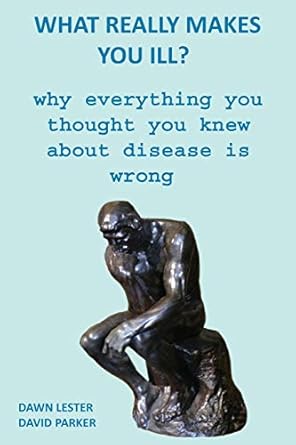
What Really Makes You Ill?: Why Everything You Thought You Knew About Disease Is Wrong by Dawn Lester and David Parker is a monumental, deeply thought-provoking work that challenges readers to rethink the very foundations of health and illness. From a holistic and homeopathic perspective, this book acts as both a mirror and a catalyst — reflecting long-held natural health intuitions while boldly demanding that we question the prevailing paradigms of modern medicine.
Spanning nearly 800 pages, Lester and Parker’s book is the result of more than a decade of relentless investigation into the true causes of disease. What emerges is a meticulously documented critique of the mainstream medical narrative — one that contends that much of what we have been taught about disease, germs, and the human body is incomplete, biased, or simply incorrect. This is not a light read, but for the holistic reader seeking depth and truth, it is an intellectually rich and emotionally liberating journey.
At the core of the book is a bold assertion: the dominant germ theory of disease — the idea that microorganisms like bacteria and viruses are the primary causes of illness — is fundamentally flawed and unsupported by conclusive evidence. The authors cite extensive historical research and scientific literature to argue that germ theory was adopted into mainstream medicine more from historical momentum than from irrefutable proof. From this viewpoint, the role of microbes is reframed not as invaders to be eradicated, but as indicators reflecting the condition of the body’s internal terrain — a concept that aligns deeply with holistic and homeopathic philosophies.
This terrain-focused perspective echoes homeopathic tenets, which hold that disease arises from an imbalance in the body’s internal environment rather than from external enemies alone. Homeopathy teaches that the vital force of the body seeks balance and expresses symptoms as part of the healing process. What Really Makes You Ill? complements this by asserting that health is determined not only by pathogens but by a person’s nutrition, detoxification pathways, emotional wellbeing, environmental exposures, and lifestyle — factors that mainstream healthcare often marginalises or ignores entirely.
A powerful strength of this book is its comprehensive critique of modern medical assumptions and dogmas. Rather than simply asserting that conventional medicine is wrong, the authors take readers through detailed examinations of scientific literature, exposing inconsistencies, contradictions, and gaps in reasoning that are rarely discussed publicly. They urge readers to recognise that the medical establishment — including its heavy reliance on pharmaceuticals, vaccines, and procedures — often treats symptoms rather than root causes. This resonates strongly with holistic beliefs that symptomatic suppression alone seldom leads to lasting healing and may even undermine the body’s innate capacity to restore balance.
What sets What Really Makes You Ill? apart from many alternative health books is its refusal to merely replace one dogma with another. Instead, Lester and Parker invite readers to explore a more integrated and thoughtful model of health — one that considers the biochemical, environmental, emotional, and lifestyle dimensions of human experience. In doing so, the book honours the holistic principle that health is not merely the absence of symptoms, but an expression of balance across multiple systems of the body.
Throughout the book, there is also a consistent emphasis on personal empowerment and responsibility. The authors assert that individuals have been conditioned to defer their health entirely to medical authorities, often without understanding the limitations and assumptions underlying that authority. By shining a light on these limitations, the book encourages readers to take ownership of their own health journeys — to question, to learn, and to make informed choices tailored to their unique physiology and circumstances. This perspective dovetails beautifully with homeopathic practice, where individualized care and patient self-awareness are central to healing.
Readers who come to this book seeking validation for holistic approaches will find it richly affirming. The inclusion of vast source material and careful logical reasoning makes it clear that the authors are not simply rejecting mainstream views out of hand, but are offering a thoughtful alternative grounded in inquiry and evidence. Even if some readers find themselves hesitant to embrace all of the book’s conclusions, the quality of inquiry itself is invigorating and inspiring — a call to think for oneself rather than accept received wisdom uncritically.
In conclusion, What Really Makes You Ill? is an essential read for anyone committed to holistic health and critical thinking. It challenges preconceived notions about disease causation, offers a broader, terrain-based understanding of illness, and encourages readers to reclaim agency over their own wellbeing. While it stands in stark contrast to mainstream medical teachings, it aligns fully with homeopathic values that emphasize balance, individualised understanding, and the body’s innate healing intelligence. For those ready to expand their perspective on health and disease, this book is a powerful guide on the path toward deeper healing and self-empowerment.
NOTE:
This post includes affiliate links to Amazon. If you choose to buy through these links, I may earn a small commission, which helps support this blog—thank you.
Mitochondria and the Future of Medicine:
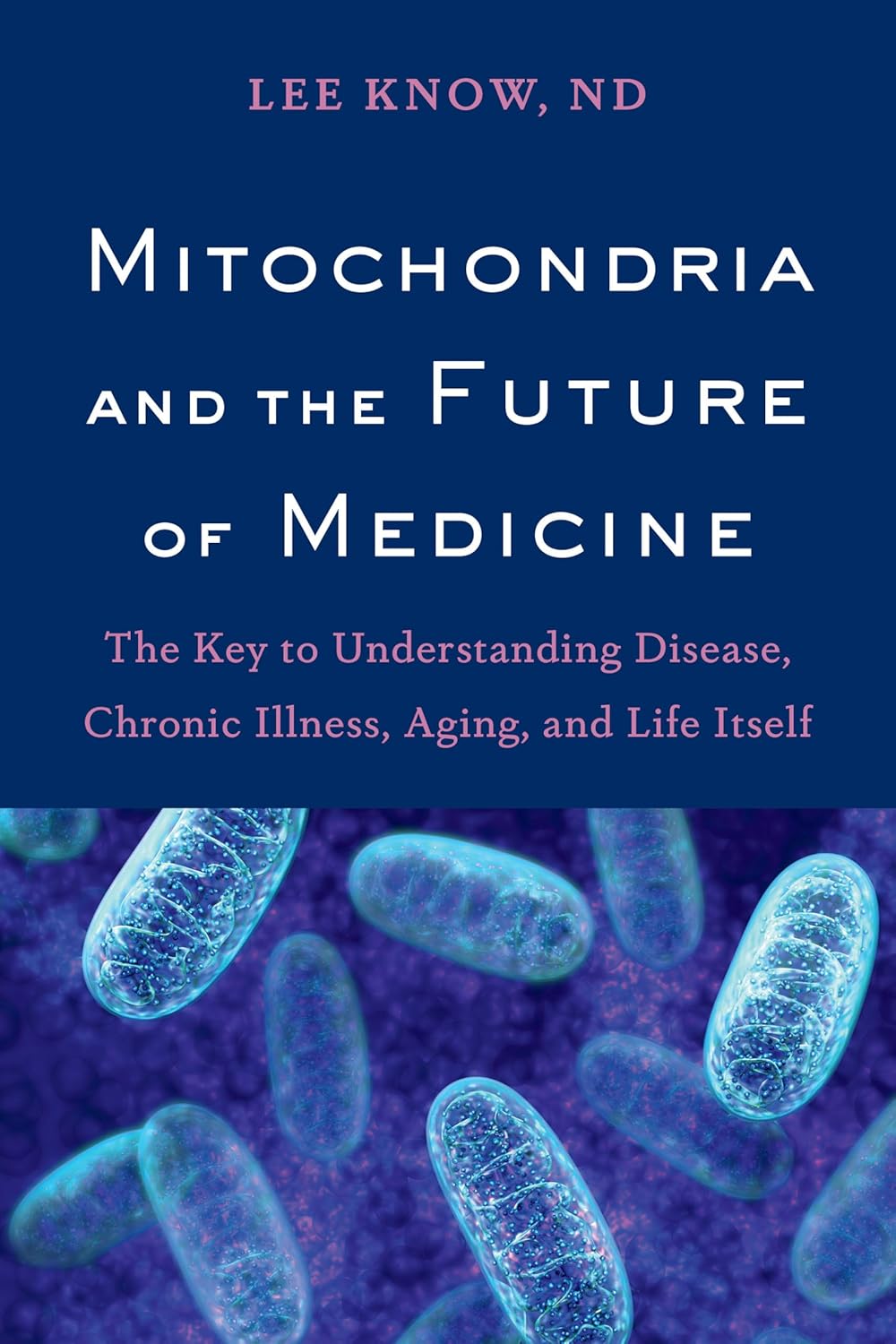
Mitochondria and the Future of Medicine by Dr. Lee Know is a deeply insightful and empowering book that aligns beautifully with holistic and homeopathic understandings of health. Far from being just another scientific text, this book reframes our view of disease and wellbeing by placing cellular energy and mitochondrial health at the very center of human vitality. For anyone who believes that healing arises from supporting the whole person rather than merely suppressing symptoms, this work offers both inspiration and practical direction.
From the first pages, Dr. Know invites readers on a journey into the life-giving world of mitochondria — the tiny powerhouses within our cells responsible for producing the energy that sustains life. These organelles, he explains, are not peripheral players but central to understanding chronic disease, ageing, and overall health. This perspective resonates deeply with holistic traditions that view disease as rooted in imbalances of the internal terrain rather than as isolated external attacks.
One of the most compelling contributions of the book is its terrain-based view of illness. Mainstream healthcare often treats disease as a collection of disconnected symptoms or isolated organs that need fixing or suppressing. In contrast, Dr. Know emphasizes that when mitochondria falter, energy production drops, systemic imbalance grows, and conditions that we commonly label as “diseases” — from fatigue and metabolic disorders to neurodegeneration and cardiovascular issues — begin to emerge. In this view, disease is not something foreign to be fought, but a sign that vital cellular processes are out of harmony — precisely the kind of root-cause focus that holistic and homeopathic medicine prioritises.
Where Mitochondria and the Future of Medicine truly shines is in its ability to make complex science accessible and meaningful. Dr. Know takes readers through the biological story of mitochondria with clarity and heart, showing how these organelles evolved and why they are so crucial to every aspect of human health. While the science can be detailed, he provides enough explanation and context that lay readers can feel comfortable and engaged.
Importantly, the book does not leave readers feeling overwhelmed or helpless. Instead, Dr. Know offers practical, holistic strategies for optimizing mitochondrial function — and by extension, overall wellbeing — through lifestyle and nutritional support. Topics such as dietary choices, exercise, stress reduction, and specific nutrients like CoQ10, D-Ribose, and other supportive compounds are discussed with both scientific grounding and real-world applicability. For holistic readers who already emphasise nutrition and lifestyle, these insights feel like a bridge between intuition and evidence.
From a homeopathic perspective, the book’s emphasis on supporting innate physiological processes rather than merely attacking symptoms will feel deeply familiar. Homeopathy teaches that the body’s vital force — its self-regulating, self-healing expression — can be supported with gentle, individualized interventions. Dr. Know’s focus on enhancing mitochondrial energy production aligns with this: when the body has the fuel and conditions it needs, vitality and balance flourish.
Another strength of this work is its critical yet constructive stance toward mainstream healthcare. Rather than dismissing conventional medicine outright, Dr. Know broadens the conversation by highlighting how much more there is to learn about chronic disease when we look beyond symptom management. It’s hard to overstate how refreshing it feels to encounter a book that encourages inquiry rather than blind acceptance, scientific curiosity rather than fear-based health messaging. In a medical paradigm that often prioritises quick fixes and pharmaceutical interventions, this terrain-rooted approach offers a much more hopeful and individualized pathway to health.
At the same time, the book invites healthy scepticism and personal empowerment. Dr. Know’s recommendations are backed by references and research — but he also acknowledges that each person’s journey is unique. There is no one-size-fits-all prescription here; instead, there is encouragement to observe, learn, and adapt based on one’s own body and experience — a principle that resonates with holistic and homeopathic philosophy.
In conclusion, Mitochondria and the Future of Medicine is a powerful and inspiring book that bridges cutting-edge cellular science with holistic wisdom. It reminds us that health is not merely the absence of symptoms but the presence of energy, balance, and resilience at the deepest level of our biology. For readers who are frustrated with the limitations of mainstream healthcare’s narrow focus, Dr. Know’s work offers a liberating perspective: that by caring for the cellular heart of our being — the mitochondria — we can support profound, long-lasting wellbeing. This is a book that will stay with you long after the last page, enriching both your understanding and your daily approach to health.
NOTE:
This post includes affiliate links to Amazon. If you choose to buy through these links, I may earn a small commission, which helps support this blog—thank you.
Medical Monopoly:
Medical Monopoly: The Evil Empire That You’ve Been Tricked to Trust by Dr. Kevin Reese is a courageous and deeply eye-opening book that challenges the assumptions most people hold about modern medicine. Rather than settling for a passive acceptance of healthcare narratives that often prioritise drugs and procedures, Dr. Reese invites readers to understand how the medical establishment restricts real healing and to rediscover a more natural, integrative, and whole-body approach to health.
From the outset, the book presents a clear premise: we’ve been taught to think of the body as a machine and doctors as mechanics. This metaphor, Reese argues, has bound us to a system that treats symptoms rather than causes and profits from chronic illness rather than true healing. The “medical monopoly” he describes is not a conspiracy theory, but a structural reality — a trillion-dollar industry built on over-testing, over-diagnosis, and over-treatment, perpetuating dependence on medical intervention instead of encouraging people to understand their bodies deeply.
For readers grounded in holistic and homeopathic traditions, this perspective feels both validating and urgently necessary. Holistic health emphasises supporting the body’s innate capacity to heal by addressing underlying imbalances — in nutrition, energy, emotional wellbeing, and environmental exposure — not merely suppressing symptomatic expressions. Reese’s work consistently reinforces this idea by arguing that mainstream medicine’s focus on disease labels and pharmaceutical solutions often overlooks the root causes of dysfunction.
One of the strengths of Medical Monopoly is its clarity and relatability. Dr. Reese speaks directly and compassionately to readers who may have felt frustrated by a system that offers pills for every ill and rarely asks “Why?” With personal anecdotes, accessible explanations, and a tone that is both conversational and compelling, he makes complex themes understandable for lay readers. Many readers have found the book “eye-opening” and “life-changing,” noting that it encouraged them to think critically about how health advice is delivered and whose interests it serves.
The book also introduces the idea that true healing cannot be found in symptom suppression — a principle that resonates deeply with homeopathic philosophy. Homeopathy teaches that symptoms are meaningful expressions of imbalance and that genuinely healing the person involves supporting the body’s terrain and vital force. Reese’s critique of mainstream healthcare echoes this: when medicine focuses on lowering A1c levels or prescribing statins instead of exploring nutrition, stress, detoxification, and lifestyle, it treats the effect rather than the cause of illness.
Reese goes beyond criticism, however, by offering a vision for how true health can emerge. He outlines a “head-to-toe healing” perspective that emphasises nutrition, mental wellbeing, movement, postural alignment, and emotional healing — a comprehensive approach that considers the whole person. In doing so, he highlights the limitations of conventional medicine’s narrow lens and shows how integrating natural, nourishing practices into daily life can dramatically improve health and resilience.
This holistic angle is especially important in a culture where chronic ailments like diabetes, autoimmune disorders, and persistent pain have become increasingly common. Rather than accepting chronic illness as inevitable or merely managed with medication, Reese encourages readers to explore the body’s internal environment — its terrain — and to take responsibility for the factors within their control. This emphasis on empowerment and active participation in one’s own healing journey is a hallmark of holistic and homeopathic practice and a refreshing contrast to the passive patient role often assumed in mainstream care.
Another compelling theme in Medical Monopoly is the role of mindset. Reese explores how entrenched beliefs about health — such as seeing doctors as the sole arbiters of wellbeing — can become self-fulfilling limitations. By encouraging readers to reclaim agency over their health narratives, he champions a fundamental holistic principle: that beliefs, emotions, and mental frameworks are inseparable from physical health.
While the book’s critique of mainstream healthcare is sharp, it is not dismissive of all medical science. Reese invites readers to seek balance: to recognise the value of conventional tools when appropriate, but not to surrender their autonomy to a system that often prioritises profits over prevention and individualised care. This balanced critical perspective encourages inquiry rather than fear, and integration rather than opposition — a vital stance for anyone interested in true healing.
In conclusion, Medical Monopoly is a powerful, empowering, and deeply thoughtful book for anyone seeking a wider understanding of health beyond symptom management. From a holistic, homeopathic viewpoint, it champions the idea that healing is not something done to the body, but something that unfolds from within when we address root causes, nourish the whole person, and challenge outdated medical paradigms. Whether you have struggled with chronic illness, feel dissatisfied with conventional care, or simply want a more meaningful approach to wellbeing, Dr. Reese’s work is a compelling guide to reclaiming your health and vitality.
NOTE:
This post includes affiliate links to Amazon. If you choose to buy through these links, I may earn a small commission, which helps support this blog—thank you.
Terrain Therapy:
Terrain Therapy by Dr. Ulric Williams is a rare and refreshing work that invites us to reconsider our assumptions about health, disease, and the body’s innate capacity to heal. Rooted in early 20th-century insights and revitalised for modern readers, this book stands as a powerful testament to holistic and self-directed wellness — and offers a compassionate critique of mainstream medicine’s symptom-focused approach.
At the heart of Terrain Therapy is a simple yet profound idea: health does not come from battling isolated disease entities, but from cultivating a resilient internal “terrain” — the body’s internal environment of nutrition, vitality, and balance. Williams posits that symptoms are not arbitrary enemies to be suppressed with drugs and procedures, but meaningful expressions of the body’s attempt to heal itself. When we understand and support this healing process, the terrain becomes fertile for true recovery rather than chronic management.
This terrain-centred perspective resonates deeply with holistic and homeopathic teachings, which emphasise that disease arises from imbalance rather than invasion. Homeopathy, in particular, views symptoms as communicative expressions of the vital force — the body’s self-regulating energy — and seeks to restore harmony rather than merely silence outward signs. Terrain Therapy aligns beautifully with this view, suggesting that when the internal terrain is nurtured through right living, symptoms can resolve as the body re-establishes equilibrium.
What makes this book especially compelling is how it integrates physical, mental, and spiritual dimensions of wellbeing. Williams did not see the body as a mechanical system to be tinkered with, nor did he view health strictly as the absence of pathology. Instead, he understood health as an expression of balanced living — a state shaped by diet, physical habits, thought patterns, and spiritual connection. This triad mirrors holistic philosophy: the body, mind, and spirit are inseparable in the healing journey.
Much of the book is dedicated to practical guidance that empowers readers to take responsibility for their own health. Williams offers clear principles for correct dietary practices, fasting techniques, and lifestyle adjustments that nourish rather than tax the body. He stresses that recognising and stopping the behaviours that make us sick in the first place is often sufficient to set the stage for healing. In contrast with mainstream healthcare — which often offers costly interventions that treat symptoms in isolation — Terrain Therapy encourages readers to cultivate awareness of their daily choices and how those choices influence the internal terrain.
This self-empowerment is one of the book’s most important contributions. Rather than positioning doctors as the ultimate authorities, Williams reminds us that healing begins with self-knowledge and intentional living. He suggests that expensive health products and expert pronouncements are not the path to wellbeing; instead, understanding what supports the body’s processes — and removing what hinders them — is essential. This is a departure from the conventional medical mindset, where patients are often made passive recipients of care.
The book’s discussion of healing crises — moments when symptoms intensify before improvement occurs — is another area where its holistic perspective shines. Rather than alarm readers, Williams encourages them to see these phases as opportunities for cleansing and transformation, reminders that the body’s internal systems are actively working to restore balance. This reflects a homeopathic understanding that the body’s efforts to express imbalance are not enemies, but meaningful signals guiding us toward resolution.
Terrain Therapy also acknowledges the emotional and spiritual layers of health. Williams believed that unhappiness in the mind or spirit can manifest in physical imbalance, and thus mental and emotional wellbeing are inseparable from physical health — a view wholeheartedly supported in holistic health traditions. This stands in contrast to mainstream healthcare, which typically treats the body and mind as distinct domains and often overlooks how thoughts, stress, and spirit influence biological processes.
The breadth of wisdom in this book is remarkable. While rooted in early naturopathic insight, many of its principles feel strikingly modern in light of recent research into stress, nutrition, gut health, and psychosomatic connections. Yet Terrain Therapy offers more than scientific claims; it offers a philosophy of health — one that honours the body’s intelligence, the power of right lifestyle choices, and the transformative potential of aligning with one’s deepest life force.
If there is a critique to be offered, it is not of the book’s intent but of the fact that such terrain-based wisdom has long been marginalised by mainstream healthcare. The modern medical system’s emphasis on pharmaceuticals and procedures often misses the forest for the trees, addressing isolated symptoms without engaging with the full landscape of causes. Terrain Therapy fills this gap by reminding us that health is not the result of battling diseases, but of nurturing life.
In conclusion, Terrain Therapy is a timeless, inspiring, and deeply empowering book for anyone seeking a more holistic understanding of health. From a homeopathic and whole-person perspective, it offers a richly integrative blueprint for living that honours the body’s self-healing capacity. It invites you not just to cope with symptoms, but to cultivate an inner environment where health can truly flourish. Whether you are curious about natural healing or disillusioned with symptom-focused healthcare, this book will provoke thoughtful reflection and encouraging change.
NOTE:
This post includes affiliate links to Amazon. If you choose to buy through these links, I may earn a small commission, which helps support this blog—thank you.