Welcome to an insight into my personal library (Part 2). All the books I review, I actually own and utilise in my research when writing blogs and as a reference point when revisiting certain subjects and topics. I have also used these books to help with research when gaining my Health & Wellbeing qualifications, hence, I cannot recommend them highly enough.
Here they are in order of review:
The Final Pandemic
Dissolving Illusions
Vaccine-Nation
Vaccination Policy and the UK Government: The Untold Truth
A Farewell To Virology
Virus Mania
How To End The Autism Epidemic
Mercury: The Ultimate Truth & Chronic Disease
The Secret of Nitric Oxide
Functional Nitric Oxide Nutrition
The Invisible Rainbow
Lets Begin:
The Final Pandemic:
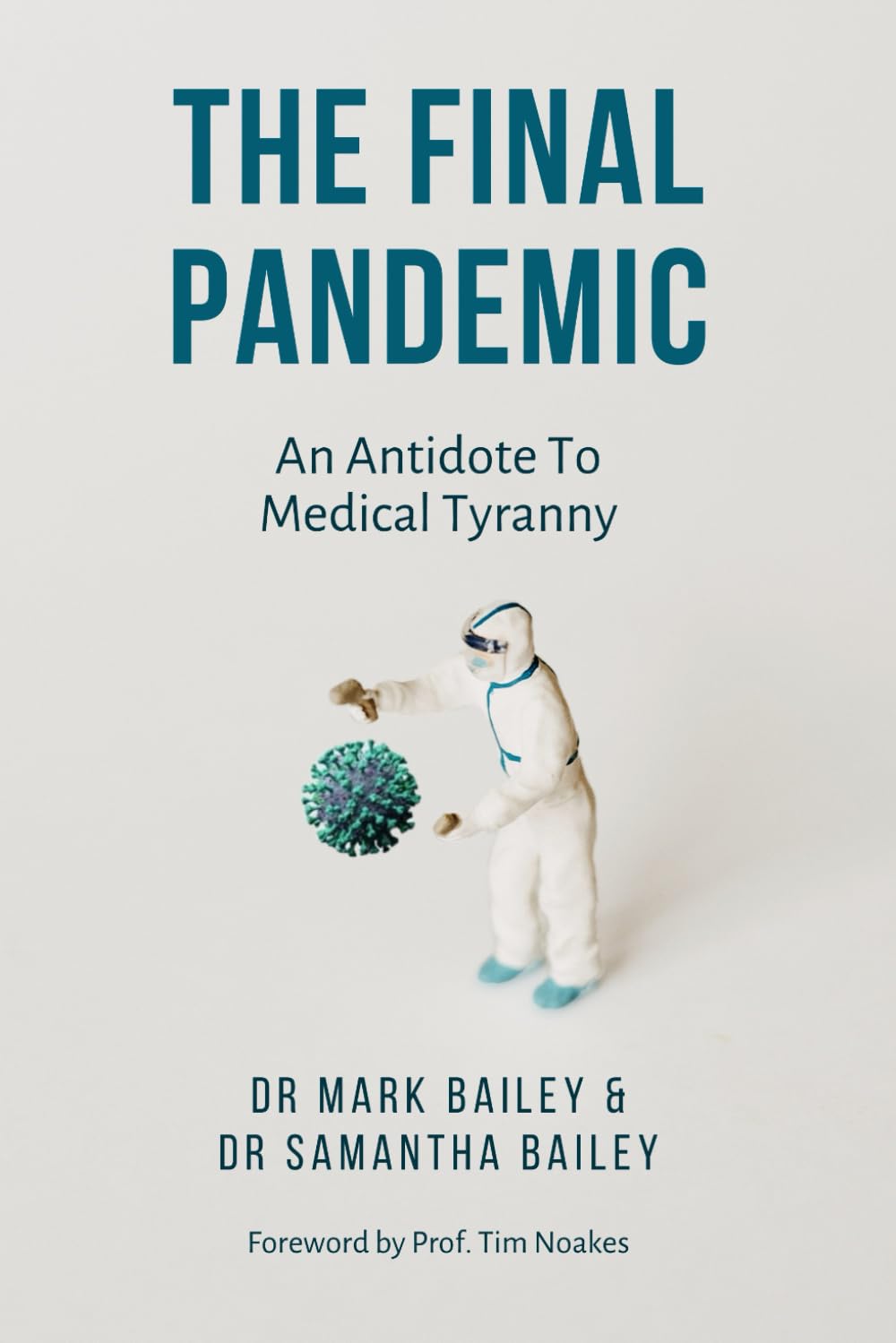
The Final Pandemic: An Antidote to Medical Tyranny by Mark Bailey and Samantha Bailey is a bold, deeply reflective book that challenges readers to reconsider not just what they think about pandemics, but how we understand health, disease, and the body’s natural balance. Grounded in extensive research and written with clarity and conviction, this work offers an alternative perspective that resonates strongly with holistic and homeopathic principles — and invites critical inquiry into the prevailing medical orthodoxy that has dominated public discourse in recent years.
At its heart, The Final Pandemic questions the conventional narrative around contagious disease outbreaks, including COVID-19. Bailey and Bailey argue that much of what has been presented as scientific truth — especially the notion of easily transmissible, death-dealing germs — has been accepted without sufficient scrutiny. Instead, they suggest that the belief in external microbial enemies has led to fear-based public policy, civil liberty restrictions, mass vaccination campaigns, and an unquestioning trust in diagnostic tests and pharmaceutical solutions.
From a holistic viewpoint, this questioning of germ-centric paradigms is both refreshing and validating. Holistic and homeopathic understandings of health emphasise that disease arises from internal imbalance — a disturbance in the body’s terrain — rather than simply the invasion of external agents. In homeopathy, symptoms are not the enemy, but signals that the body’s self-regulating forces are active and seeking balance. The Final Pandemic echoes this by encouraging readers to view illness not as something to be attacked or feared, but as an opportunity to understand what has disrupted the body’s harmony.
One of the book’s most compelling contributions is its critique of how mainstream medical science defines and responds to pandemics. The authors dissect the scientific assumptions behind germ theory, diagnostic testing, and virology, arguing that the foundational science often fails to meet rigorous empirical standards. By revisiting historical debates and dissecting the methodology behind popular testing protocols, the book raises important questions about how much of pandemic response has been driven by narrative rather than robust evidence.
This perspective aligns with the holistic principle that we must look beyond superficial explanations and seek deeper understanding of why imbalance occurs in the first place. Mainstream healthcare frequently treats symptoms — inflammation, coughs, fatigue — as separate problems to be suppressed with drugs or protocols. The Final Pandemic invites readers to consider that such symptoms are intimately connected to the body’s internal environment: nutrition, detoxification capacity, emotional stress, and lifestyle all factor into our vulnerability to illness. Rather than seeing disease as an external invader, this terrain-based view acknowledges the body’s intelligence and self-healing capacity, a cornerstone of homeopathic thought.
Throughout the book, Bailey and Bailey also highlight how fear and media sensationalism have shaped public perception. They argue that many people were led to adopt a worldview in which health is synonymous with avoiding germs at all costs — a narrative that can undermine confidence in the body’s own resilience. In holistic circles, fear is recognised as a potent stressor that can itself disrupt immune balance; by reducing health to a battle against microbes, we risk overlooking the broader context in which the body functions. The Final Pandemic encourages a shift from fear to empowerment, urging readers to consider living well rather than merely avoiding risk.
Another powerful element of this book is its critique of how dissenting voices are treated within mainstream healthcare. The authors share accounts of doctors and researchers who questioned the prevailing narrative and faced professional resistance or silencing. This aspect resonates with holistic practitioners, many of whom have experienced marginalisation within a system that privileges pharmaceutical-driven models over individualized, natural, and terrain-based approaches. The Final Pandemic champions intellectual independence, encouraging readers to question and to learn broadly rather than accepting official narratives without examination.
Importantly, the book does not merely critique; it offers a path forward. It calls for a reevaluation of how we view disease, urging a return to thoughtful observation, critical inquiry, and personal responsibility for health. This journey is not about rejecting all medical science — many holistic traditions integrate useful innovations — but about rebalancing our trust so that it includes the wisdom of the body, individuality of response, and the importance of environmental and lifestyle factors in wellbeing.
In conclusion, The Final Pandemic is a courageous and inspiring book that challenges deeply held assumptions and invites readers into a richer conversation about health and illness. From a holistic, homeopathic perspective, it affirms that true healing springs from harmony within, not fear without; that symptoms speak meaningful language; and that the medical system, while valuable in many contexts, should not overshadow the body’s remarkable capacity for self-regulation. Whether you fully embrace its conclusions or simply allow them to expand your perspective, this book is a thought-provoking contribution to the ongoing dialogue about health, medicine, and how we choose to live well in uncertain times.
NOTE:
This post includes affiliate links to Amazon. If you choose to buy through these links, I may earn a small commission, which helps support this blog—thank you.
Dissolving Illusions:
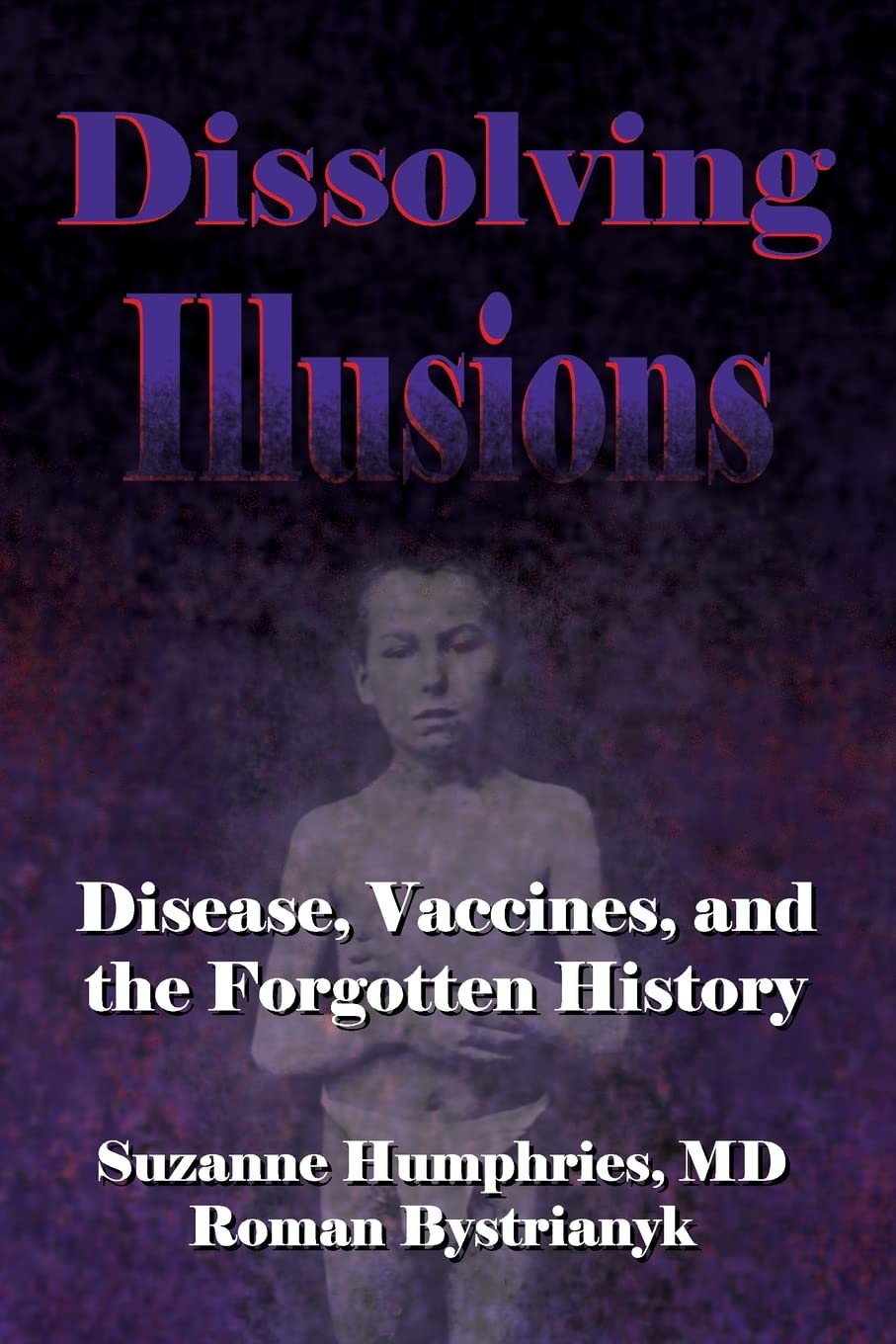
Dissolving Illusions is a challenging, thought-provoking work that invites readers to step outside the dominant narrative of modern medicine and reconsider how we understand health, disease, and healing. From an holistic and homeopathic viewpoint, the book offers a refreshing—if controversial—re-examination of medical history, one that resonates deeply with those who feel that contemporary healthcare has become overly mechanistic, fear-driven, and disconnected from the innate intelligence of the human body.
What makes this book compelling is not merely its conclusions, but its method. Rather than relying on slogans or emotional appeals, Dissolving Illusions encourages readers to look closely at historical records, mortality statistics, and social conditions surrounding the rise of modern medical interventions. From an holistic perspective, this approach feels aligned with a core principle of natural medicine: observe carefully, question assumptions, and consider the whole context rather than isolated variables. Health, after all, does not exist in a vacuum. Nutrition, sanitation, emotional wellbeing, environment, and social cohesion all play profound roles—factors that homeopathy and other holistic systems have long emphasized, yet which are often marginalized in mainstream healthcare narratives.
The book speaks powerfully to those who sense that conventional medicine tends to equate progress with technological intervention alone. In an era where complex chronic illness is increasingly common, Dissolving Illusions asks whether the dominant model—focused on suppression of symptoms rather than cultivation of vitality—may be missing something essential. From a homeopathic standpoint, this critique feels familiar. Homeopathy views disease as an expression of imbalance in the whole person, not merely an external enemy to be eradicated. The book’s insistence on examining broader determinants of health echoes this philosophy and challenges the reader to reconsider deeply ingrained beliefs.
A particularly strong aspect of the book is its willingness to question authority. Mainstream healthcare often presents itself as settled science, yet history repeatedly shows that medical “truths” evolve, sometimes dramatically. Practices once considered unquestionable—bloodletting, routine tonsillectomies, or the widespread use of toxic substances—were later abandoned. Dissolving Illusions situates itself within this historical humility, reminding readers that skepticism is not anti-science, but an essential part of scientific inquiry. For holistic practitioners, who have often been dismissed or marginalized, this message is both validating and empowering.
That said, the book is not without controversy, and thoughtful readers will benefit from engaging with it critically rather than dogmatically. Its arguments challenge deeply held beliefs within mainstream medicine, and not all readers will agree with its interpretations or emphasis. From an holistic perspective, this is not a weakness but an invitation: true healing traditions encourage discernment, not blind acceptance. The value of Dissolving Illusions lies less in providing final answers and more in reopening questions that many assume are already settled.
Importantly, the book also highlights how fear can be a powerful driver in healthcare. Fear of disease, fear of death, and fear of deviation from accepted norms can all narrow our thinking and limit our options. Holistic medicine, including homeopathy, seeks to replace fear with trust—trust in the body’s adaptive capacity and in gentle, individualized approaches to care. In this light, Dissolving Illusions feels like a call to reclaim personal responsibility and informed choice, rather than passive compliance.
In conclusion, Dissolving Illusions is a valuable and stimulating read for anyone interested in holistic health, medical history, or the philosophy of healing. It will especially resonate with those who feel that mainstream healthcare, while powerful in acute situations, often overlooks the subtle, interconnected factors that sustain true wellbeing. Whether one ultimately agrees with all of its arguments or not, the book succeeds in dissolving complacency and inviting deeper reflection. For readers willing to engage thoughtfully and independently, it offers an opportunity to broaden perspective, question assumptions, and re-center health as a dynamic, whole-person process rather than a purely technical pursuit.
NOTE:
This post includes affiliate links to Amazon. If you choose to buy through these links, I may earn a small commission, which helps support this blog—thank you.
Vaccine-Nation:
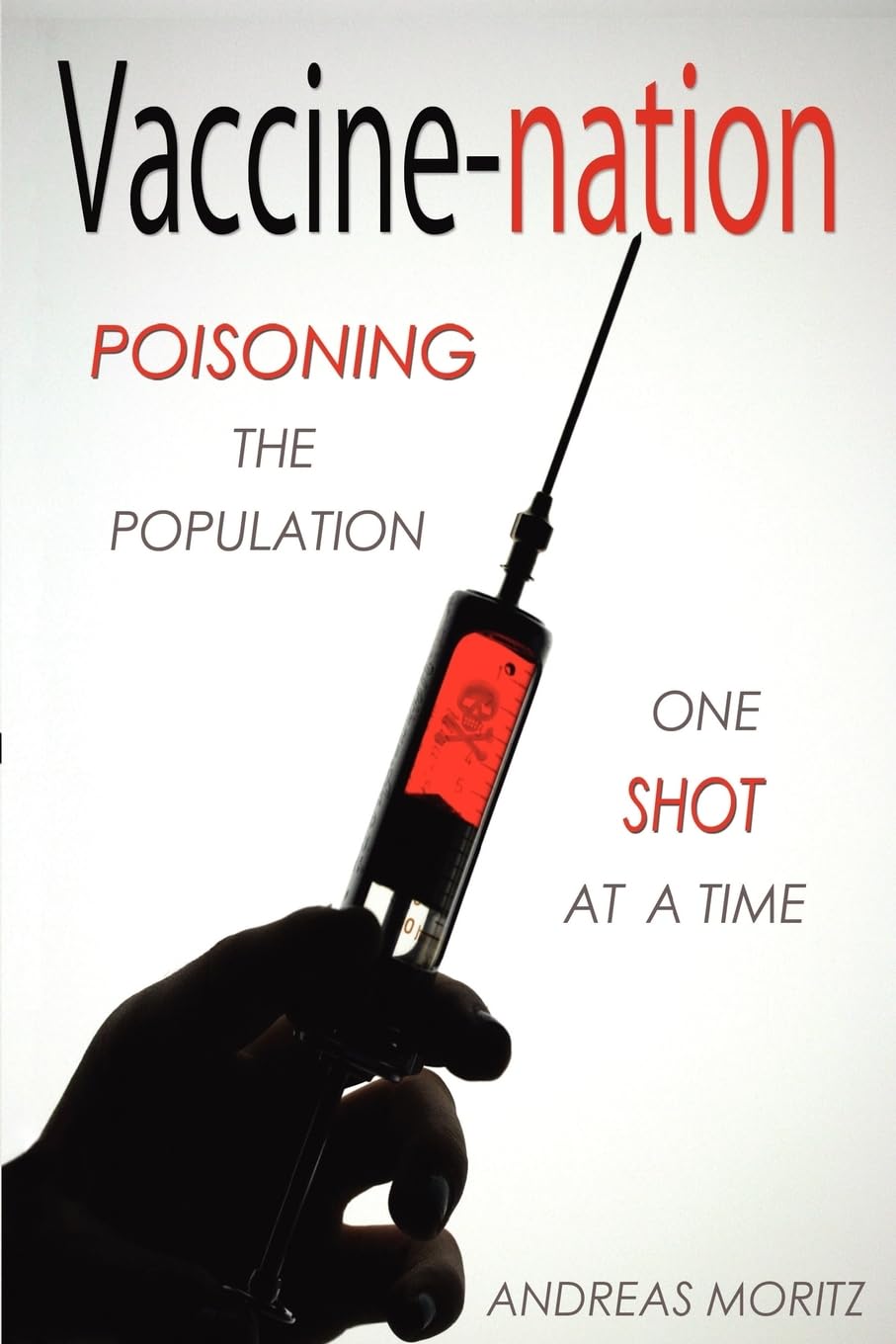
Vaccine Nation is a thoughtful and provocative contribution to the ongoing conversation about health, authority, and individual choice in modern society. Approached from an holistic and homeopathic viewpoint, the book offers a valuable counterbalance to the dominant biomedical narrative, inviting readers to slow down, ask deeper questions, and consider whether a one-size-fits-all approach to health truly serves the complexity of human beings.
One of the book’s greatest strengths lies in its willingness to examine vaccination not as an isolated medical act, but as part of a broader cultural, political, and economic system. From an holistic perspective, this wider lens is essential. Health is not merely the absence of disease, nor is it something that can be engineered through single interventions alone. Homeopathy, like many traditional healing systems, understands health as a dynamic state influenced by constitution, environment, emotional wellbeing, nutrition, and life experience. Vaccine Nation echoes this worldview by questioning whether mainstream healthcare sometimes prioritizes standardized solutions over individualized understanding.
The tone of the book is particularly refreshing in that it does not rely solely on emotional argument, nor does it simply reject conventional medicine outright. Instead, it challenges readers to explore how medical consensus is formed, how dissenting voices are treated, and how public health policies can become intertwined with fear, compliance, and unquestioned trust in authority. For readers grounded in holistic health philosophies, this inquiry feels both familiar and necessary. Homeopathy has long existed at the margins of mainstream medicine, often dismissed not because it lacks thoughtful theory or clinical tradition, but because it does not fit neatly within a reductionist framework.
Vaccine Nation also raises important questions about informed consent and bodily autonomy. From an holistic standpoint, true consent requires more than reassurance—it requires transparent information, respect for individual circumstances, and acknowledgment of uncertainty. Modern healthcare, for all its technological sophistication, can sometimes struggle with this humility. Protocols and population-level strategies may overlook the nuanced differences between individuals, differences that holistic practitioners see as central to ethical and effective care.
Another compelling aspect of the book is its exploration of how health messaging is communicated to the public. The reliance on simplified slogans and binary thinking—safe/unsafe, pro/anti—can shut down meaningful dialogue. Holistic medicine thrives in the grey areas, where listening, observation, and relationship are as important as data. Vaccine Nation encourages readers to move beyond polarized debate and instead cultivate critical thinking, an approach that aligns closely with the homeopathic principle of treating the person, not the label.
The book is particularly valuable for those who feel uneasy with the increasing medicalization of everyday life. From birth onward, mainstream healthcare often frames the body as inherently vulnerable and in constant need of external management. Holistic traditions, by contrast, emphasize resilience, adaptation, and the body’s innate capacity to respond to challenge when properly supported. Vaccine Nation taps into this tension, asking whether modern systems sometimes underestimate the intelligence of the human organism while overestimating the infallibility of institutional medicine.
It is important to note that Vaccine Nation does not demand uncritical agreement. Readers who approach it thoughtfully will recognize that its true contribution lies in opening space for conversation rather than closing it. From an holistic perspective, this openness is a strength. Healing—whether physical, social, or cultural—rarely emerges from rigid certainty. It grows through inquiry, dialogue, and a willingness to revisit assumptions.
In a healthcare landscape where dissent is often equated with irresponsibility, Vaccine Nation offers reassurance that questioning is not inherently oppositional, but a vital part of mature engagement with complex issues. For homeopaths and holistic health advocates, this message feels deeply affirming. It reflects a long-standing commitment to individualized care, gentle intervention, and respect for the body’s own wisdom.
In conclusion, Vaccine Nation is a compelling and worthwhile read for anyone interested in holistic health, medical ethics, or the cultural forces shaping modern healthcare. While it may challenge mainstream assumptions, it does so in a way that encourages reflection rather than reaction. For readers willing to engage with nuance and hold multiple perspectives at once, the book provides an opportunity to rethink not only vaccination, but the broader philosophy of health itself—shifting the focus from control and conformity toward trust, discernment, and wholeness.
NOTE:
This post includes affiliate links to Amazon. If you choose to buy through these links, I may earn a small commission, which helps support this blog—thank you.
Vaccination Policy and the UK Government: The Untold Truth:
Vaccination Policy and the UK Government: The Untold Truth is a serious, reflective, and ultimately empowering work that will resonate strongly with readers who approach health from an holistic and homeopathic perspective. Rather than positioning itself as a polemic, the book functions as a careful inquiry into how vaccination policy is formed, communicated, and enforced in the UK, and what this reveals about the broader culture of modern healthcare. For those who value individualised medicine, transparency, and informed consent, this book offers a much-needed counterpoint to the dominant narrative.
From an holistic standpoint, one of the book’s most important contributions is its insistence on context. Health does not exist solely at the level of policy, statistics, or population models; it is lived, embodied, and deeply personal. Homeopathy has always emphasised the uniqueness of each individual—constitution, susceptibility, life history, and environment all matter. This book reflects that same sensibility by questioning whether centrally driven, standardised health policies can ever adequately respect human diversity. In doing so, it highlights a fundamental tension between holistic healing philosophies and mainstream healthcare systems that prioritise uniform solutions.
The author’s exploration of government decision-making processes is particularly compelling. By examining how evidence is selected, interpreted, and presented, the book invites readers to consider whether “following the science” is always as straightforward or neutral as it is often portrayed. From a homeopathic perspective, this scrutiny feels both familiar and necessary. Holistic medicine has long existed outside institutional approval, not because it lacks coherence or tradition, but because it challenges reductionist assumptions about the body as a machine made up of interchangeable parts. The book’s critique of policy formation mirrors this broader challenge to medical orthodoxy.
Another strength of Vaccination Policy and the UK Government: The Untold Truth lies in its focus on informed consent. In holistic practice, consent is not a box to be ticked but an ongoing dialogue rooted in trust, understanding, and respect. The book raises thoughtful questions about whether current policy frameworks genuinely allow for this depth of engagement, or whether consent has become procedural rather than meaningful. This resonates strongly with homeopathic principles, which place relationship and individual agency at the heart of healing.
The book also sheds light on how dissent is managed within mainstream healthcare discourse. Readers familiar with holistic or complementary medicine will recognise the pattern: questioning official policy is often framed as ignorance or irresponsibility rather than as a legitimate contribution to public dialogue. By documenting how alternative viewpoints are marginalised, the author underscores a wider cultural issue—one in which certainty is prized over curiosity, and compliance over critical thinking. From an holistic perspective, this narrowing of discourse is deeply concerning, as true healing systems evolve through observation, humility, and openness to revision.
Equally valuable is the book’s exploration of fear as a tool in public health messaging. Fear has long been used to drive behaviour, yet holistic medicine understands that fear can weaken resilience, distort perception, and undermine wellbeing. Homeopathy, by contrast, seeks to strengthen the individual’s capacity to respond to challenge rather than amplifying anxiety about risk. The book’s examination of fear-based narratives invites readers to reflect on how emotional conditioning may influence health decisions as much as evidence itself.
Importantly, the tone of the book remains measured and thoughtful. It does not demand unquestioning agreement, nor does it present itself as the final authority. Instead, it encourages readers to think for themselves, examine original sources, and remain comfortable with uncertainty. From an holistic viewpoint, this is one of its greatest strengths. Healing—whether personal or societal—rarely emerges from rigid certainty. It grows through dialogue, reflection, and a willingness to revisit assumptions.
In a healthcare landscape increasingly dominated by protocols, targets, and centralised control, Vaccination Policy and the UK Government: The Untold Truth serves as a reminder that medicine is not value-neutral. It is shaped by culture, power, and worldview. For homeopaths and holistic health advocates, this recognition is long overdue.
In conclusion, this book is a valuable and thought-provoking read for anyone interested in medical ethics, public health policy, or holistic approaches to wellbeing. While it may challenge mainstream assumptions, it does so with depth and care, offering readers an opportunity to engage more consciously with complex issues. From an holistic and homeopathic perspective, it affirms the importance of individual discernment, transparency, and respect for the body’s innate intelligence—principles that remain essential for any truly humane system of healthcare.

NOTE:
This post includes affiliate links to Amazon. If you choose to buy through these links, I may earn a small commission, which helps support this blog—thank you.
A Farwell To Virology:
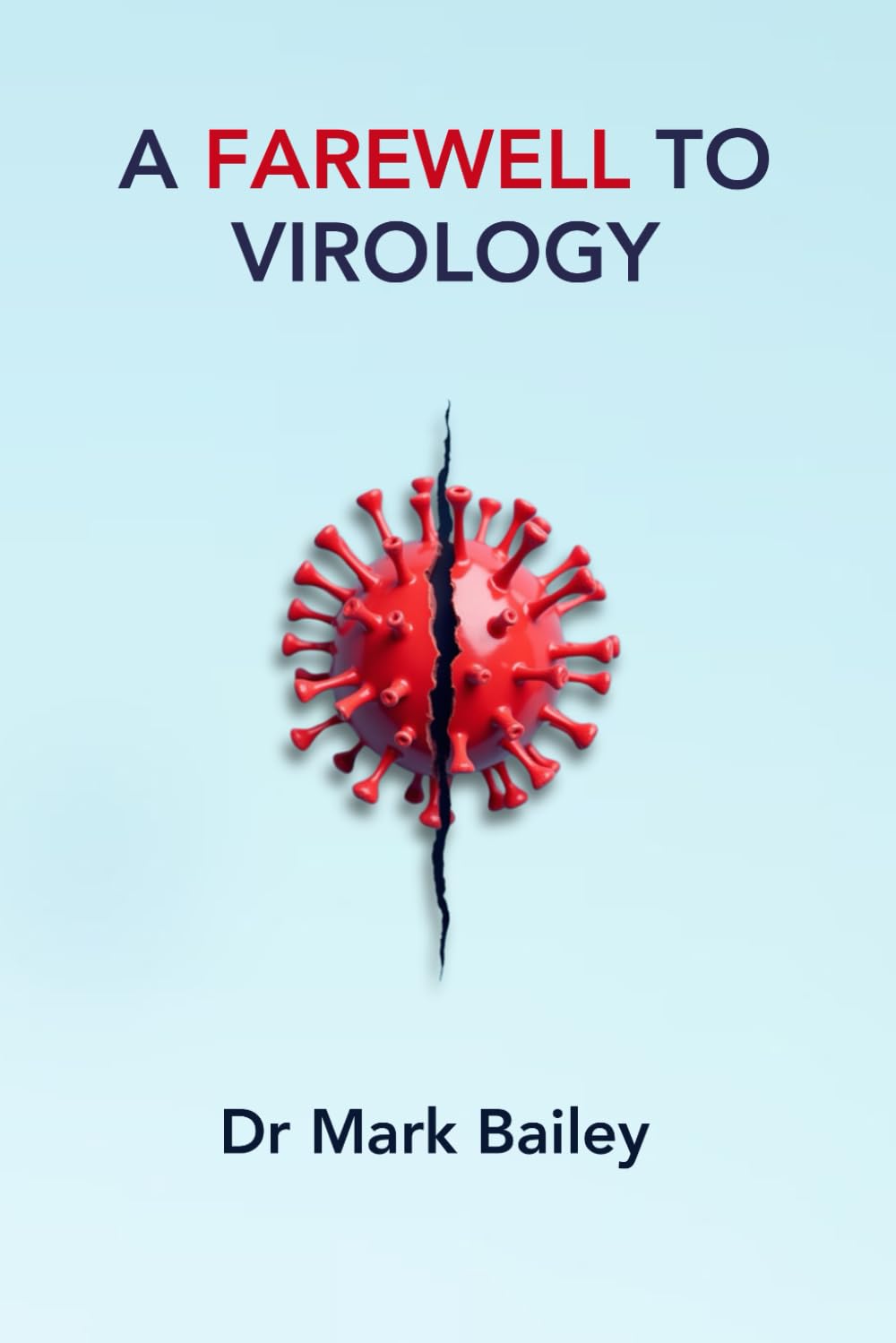
A Farewell to Virology is a bold, intellectually stimulating book that invites readers to re-examine some of the most deeply entrenched assumptions in modern medicine. From an holistic and homeopathic viewpoint, it feels less like a rejection of science and more like a philosophical turning point—an appeal to broaden our understanding of health, illness, and the living world beyond narrow mechanistic models. For readers who have long sensed that mainstream healthcare sometimes mistakes complexity for certainty, this book offers both validation and inspiration.
One of the book’s most compelling qualities is its willingness to question foundational ideas rather than merely debating surface-level policies or practices. Mainstream healthcare often operates within tightly defined frameworks, where core assumptions are rarely examined once institutional consensus has formed. A Farewell to Virology challenges this rigidity by asking whether prevailing theories truly reflect the full reality of biological life, or whether they simplify living systems in ways that ultimately limit understanding. From an holistic perspective, this inquiry feels deeply aligned with the principles of natural medicine, which views the human organism as a dynamic, self-regulating whole rather than a collection of isolated parts.
Homeopathy, in particular, has always emphasized the importance of vitality, balance, and the body’s innate intelligence. Disease is understood not as an external invader alone, but as a disturbance in the organism’s ability to adapt and respond meaningfully to its environment. A Farewell to Virology resonates strongly with this worldview by encouraging readers to consider whether dominant medical models sometimes overlook the organism’s active role in health and healing. Rather than positioning the body as passive or perpetually under threat, the book opens space for a more participatory, relational understanding of life processes.
Another strength of the book is its historical and philosophical tone. Rather than presenting its arguments as radical or unprecedented, it situates them within a longer tradition of scientific evolution. Medical history is full of paradigm shifts—moments when once-unquestionable ideas were reconsidered in light of new observations and broader thinking. From an holistic standpoint, this humility is essential. Healing traditions that endure over time tend to remain flexible, responsive, and open to revision. The book’s willingness to stand at the edge of accepted thought reflects this spirit of inquiry rather than dogma.
The author’s critique of mainstream healthcare is measured but incisive. Modern medicine has achieved remarkable successes, particularly in acute and emergency care, yet its dominance can sometimes crowd out alternative ways of knowing. Standardization, protocol-driven practice, and population-level thinking may be efficient, but they often leave little room for individual variation, subtlety, or meaning. Holistic practitioners will recognize this tension immediately. Homeopathy’s individualized approach—where two people with the same diagnosis may receive entirely different treatment—stands in sharp contrast to systems that prioritize uniform solutions.
A Farewell to Virology also raises important questions about certainty and authority. In contemporary healthcare culture, confidence is often equated with competence, and uncertainty is treated as weakness. Yet holistic medicine understands uncertainty as an honest reflection of life’s complexity. The book gently but firmly challenges the idea that scientific authority should be immune from philosophical or conceptual critique. For readers accustomed to being told that “the science is settled,” this perspective can be both unsettling and liberating.
Equally valuable is the book’s implicit call to restore balance between intervention and trust. Mainstream healthcare frequently frames health as something that must be constantly managed, monitored, and corrected from the outside. Holistic and homeopathic traditions, by contrast, emphasize support rather than control—working with the body’s tendencies instead of overriding them. A Farewell to Virology aligns with this ethos by encouraging a shift away from fear-based models and toward a deeper respect for living systems.
Importantly, the book does not demand blind acceptance. Thoughtful readers will recognize that its greatest contribution lies not in providing final answers, but in reopening meaningful questions. From an holistic viewpoint, this is precisely where progress begins. Healing—whether at the level of the individual or the culture—emerges through dialogue, reflection, and the courage to question what has become habitual.
In conclusion, A Farewell to Virology is a courageous and thought-provoking work that will resonate strongly with those drawn to holistic and homeopathic perspectives. While it challenges mainstream healthcare assumptions, it does so with intellectual depth and philosophical care rather than hostility. For readers willing to engage critically and reflectively, the book offers an opportunity to expand their understanding of health beyond reductionism—toward a vision of medicine that honors complexity, individuality, and the inherent intelligence of life itself.
NOTE:
This post includes affiliate links to Amazon. If you choose to buy through these links, I may earn a small commission, which helps support this blog—thank you
Virus Mania:
Virus Mania is a provocative and deeply engaging book that invites readers to step back from the certainty of modern medical narratives and re-examine how fear, authority, and assumptions shape our understanding of illness. From an holistic and homeopathic viewpoint, the book feels less like an attack on medicine and more like an appeal for balance, humility, and a wider lens through which to view health and disease. For readers who sense that mainstream healthcare has become overly reductionist and reactive, Virus Mania offers a stimulating and affirming perspective.
One of the book’s greatest strengths is its challenge to the dominant “enemy model” of disease. Mainstream healthcare often frames health as a constant battle against invisible threats, positioning the body as vulnerable and perpetually at risk. Holistic medicine, by contrast, understands the human organism as adaptive, intelligent, and resilient when properly supported. Homeopathy, in particular, views illness as a meaningful response of the whole system rather than a purely external assault. Virus Mania resonates strongly with this worldview by questioning whether fear-based interpretations of illness may obscure more complex biological and ecological realities.
The authors encourage readers to look critically at how medical narratives are constructed and amplified, especially through media and institutional messaging. From an holistic perspective, this examination is essential. Health does not exist solely at the level of pathogens or laboratory findings; it is shaped by emotional state, stress, nutrition, environment, and social context. When healthcare communication focuses narrowly on single causes and worst-case scenarios, it can inadvertently undermine resilience and increase anxiety—factors that holistic traditions have long recognised as detrimental to wellbeing.
Another compelling aspect of Virus Mania is its historical awareness. The book situates contemporary fears within a broader medical and cultural history, reminding readers that medicine has repeatedly revised its core assumptions over time. Practices and theories once considered unquestionable have later been re-evaluated or abandoned. From a homeopathic standpoint, this historical humility is refreshing. Homeopathy itself emerged as a response to the harsh and often harmful medical interventions of its era, emphasizing gentleness, observation, and respect for the body’s innate healing capacity. The book’s willingness to revisit foundational ideas echoes this same spirit of reform and inquiry.
The critique of mainstream healthcare in Virus Mania is thoughtful rather than dismissive. The authors acknowledge the strengths of modern medicine, particularly in acute and emergency contexts, while questioning its tendency toward over-medicalisation and centralised control. Holistic practitioners will recognise this tension immediately. While technology and intervention can be life-saving, they are not synonymous with health itself. By drawing attention to the limits of a purely biomedical model, the book invites a more integrated approach—one that includes lifestyle, emotional health, and individual constitution alongside scientific research.
A particularly valuable theme in the book is its exploration of fear as a driver of health policy and personal decision-making. Fear can be a powerful motivator, but holistic medicine understands that chronic fear weakens vitality and distorts perception. Homeopathy seeks to strengthen the individual’s ability to respond adaptively to stressors rather than reinforcing a sense of fragility. Virus Mania challenges readers to consider whether fear-based messaging may sometimes do more harm than good, both psychologically and physiologically.
Importantly, the book does not ask readers to abandon critical thinking in favour of an alternative dogma. Instead, it encourages discernment, open-mindedness, and personal responsibility. From an holistic perspective, this is a key strength. True healing systems do not thrive on blind belief—whether in institutions or in opposition to them—but on careful observation, ongoing dialogue, and respect for complexity. The book’s willingness to sit with uncertainty will resonate with those who value depth over simplicity.
Virus Mania will not appeal to readers who are seeking easy answers or rigid conclusions. Its value lies in its capacity to unsettle assumptions and broaden perspective. For homeopaths and holistic health advocates, this approach feels both familiar and necessary. Individualised care, gentle intervention, and trust in the body’s wisdom require a mindset that can tolerate nuance and resist oversimplification.
In conclusion, Virus Mania is a stimulating and worthwhile read for anyone interested in holistic health, medical philosophy, or the cultural forces shaping modern healthcare. While it challenges mainstream narratives, it does so with intellectual curiosity rather than hostility. From an holistic and homeopathic viewpoint, the book affirms the importance of moving beyond fear and reductionism toward a more respectful, whole-person understanding of health—one that honours resilience, individuality, and the inherent intelligence of life itself.

NOTE:
This post includes affiliate links to Amazon. If you choose to buy through these links, I may earn a small commission, which helps support this blog—thank you
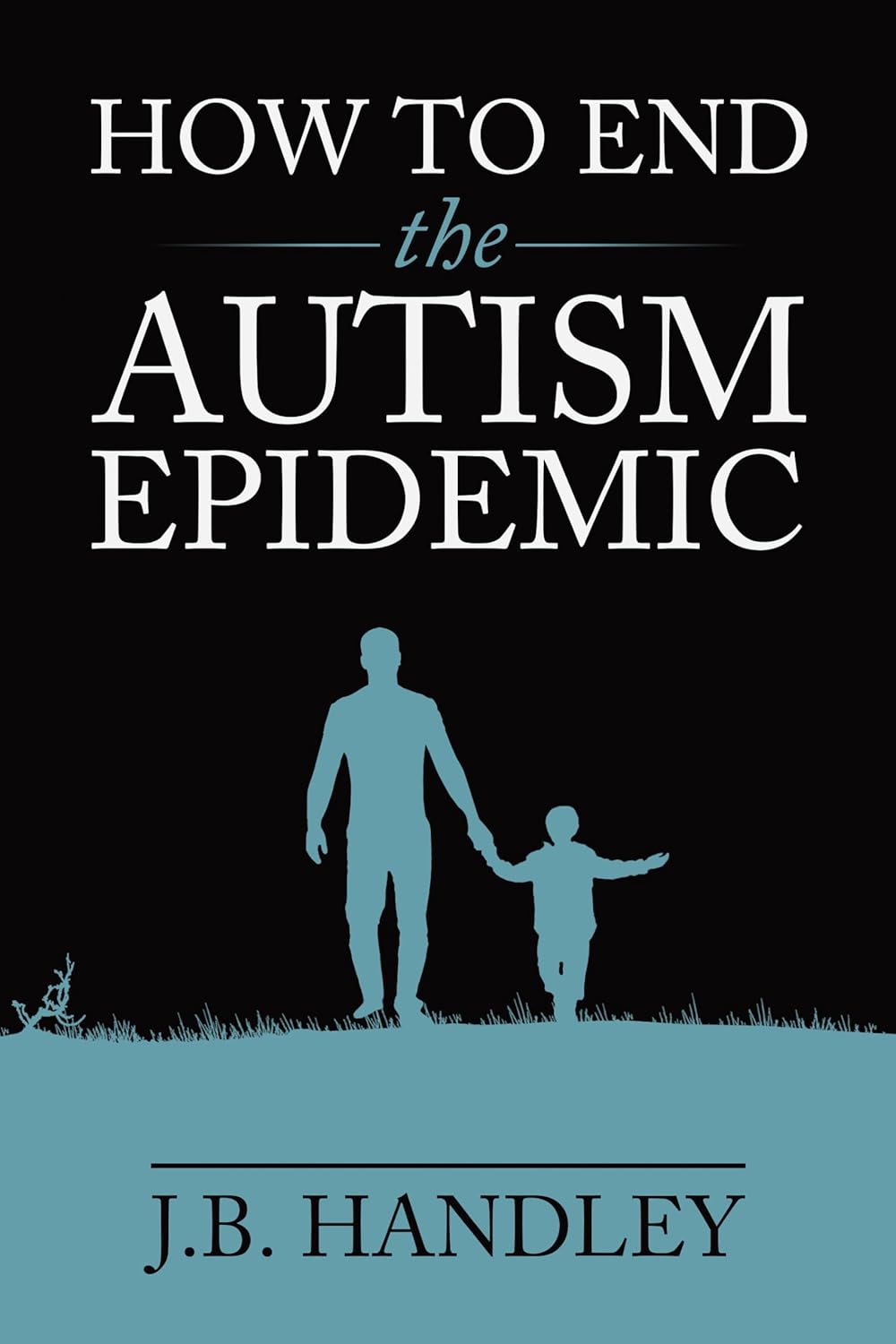
How To End The Autism Epidemic:
How to End the Autism Epidemic is a challenging and emotionally resonant book that will particularly speak to readers who approach health and development from an holistic and homeopathic perspective. Rather than offering simplistic explanations or quick fixes, the book invites a deeper examination of how modern lifestyles, environmental pressures, and healthcare paradigms may be affecting children’s neurological and emotional wellbeing. For those who feel that mainstream healthcare often struggles to address complexity with compassion, this book offers a thoughtful and alternative lens.
From an holistic standpoint, one of the book’s central strengths is its insistence on looking beyond labels. Conventional medicine tends to define autism primarily through diagnostic criteria and behavioural frameworks, often focusing on management rather than understanding. Holistic traditions, including homeopathy, view each child as a unique individual whose behaviours, sensitivities, and ways of relating to the world are meaningful expressions of their inner state. The book reflects this philosophy by encouraging readers to consider underlying imbalances and stressors rather than seeing autism solely as a fixed, lifelong pathology.
The author’s critique of mainstream healthcare is grounded in concern rather than hostility. Modern medicine has undoubtedly advanced our ability to diagnose and categorise neurodevelopmental differences, but it often falls short when it comes to addressing root causes or supporting the whole family system. From a homeopathic viewpoint, health is not simply the absence of symptoms but the presence of vitality, adaptability, and coherence across physical, emotional, and cognitive levels. The book’s call to look at nutrition, environmental load, stress, and early-life influences aligns closely with this broader understanding of health.
Another important contribution of How to End the Autism Epidemic is its focus on environment and modern living. Holistic medicine has long recognised that the body does not exist in isolation from its surroundings. Children today are growing up in a world very different from that of previous generations, with increased chemical exposure, processed diets, sensory overload, and chronic stress affecting families. The book encourages readers to reflect on whether mainstream healthcare, with its emphasis on genetics and behaviour modification, may be overlooking how profoundly these factors shape development.
From a homeopathic perspective, the book’s emphasis on individual response is particularly welcome. Homeopathy does not treat diagnoses; it treats people. Two children with the same label may have entirely different needs, sensitivities, and capacities for adaptation. The book echoes this principle by resisting one-size-fits-all explanations and advocating for approaches that are tailored, gentle, and responsive to the child’s unique constitution. This stands in contrast to systems that prioritise standardised protocols over nuanced care.
The book also raises thoughtful questions about the culture of resignation that can sometimes surround autism. While acceptance and neurodiversity are essential, holistic practitioners often observe that families are offered limited support beyond behavioural management or medication. How to End the Autism Epidemic does not deny the reality of neurological difference, but it challenges the idea that nothing can be done to support improved wellbeing, communication, or quality of life. From an holistic viewpoint, this is not about “fixing” a child, but about removing obstacles to health and allowing each child to thrive as fully as possible.
Importantly, the tone of the book remains accessible and compassionate. It speaks directly to parents and carers who feel unheard or dismissed by conventional systems. Many holistic practitioners will recognise these experiences: families who sense that something is not right but are told to wait, comply, or accept limited options. By validating parental intuition and encouraging active engagement, the book restores a sense of agency that is often lost within institutional healthcare settings.
That said, the book benefits most when read with discernment rather than absolutism. From an holistic perspective, no single framework holds all the answers. The value of How to End the Autism Epidemic lies not in replacing one rigid model with another, but in expanding the conversation and making space for multiple ways of understanding and supporting neurodevelopment.
In conclusion, How to End the Autism Epidemic is a provocative and compassionate book that challenges readers to rethink prevailing assumptions about autism and child health. From an holistic and homeopathic viewpoint, it affirms the importance of seeing the whole child—body, mind, emotions, and environment—rather than reducing complex human beings to diagnoses. While it may sit uncomfortably with mainstream healthcare narratives, it offers something deeply needed: curiosity, courage, and a commitment to exploring gentler, more individualised paths toward wellbeing.
NOTE:
This post includes affiliate links to Amazon. If you choose to buy through these links, I may earn a small commission, which helps support this blog—thank you
Mercury: The Ultimate Truth & Chronic Disease
Mercury – The Ultimate Truth & Chronic Disease is a thought-provoking and deeply reflective book that will resonate strongly with readers who approach health from an holistic and homeopathic perspective. Rather than presenting itself as a definitive medical manual, the book functions as an invitation to re-examine how chronic illness is understood, investigated, and treated within modern healthcare systems. For those who feel that mainstream medicine often overlooks subtle, long-term influences on health, this book offers a challenging and expansive viewpoint.
From an holistic standpoint, one of the book’s most compelling qualities is its insistence on looking beyond isolated symptoms. Conventional healthcare tends to fragment the human experience into diagnoses, specialties, and treatment protocols, often focusing on managing symptoms rather than exploring underlying imbalances. Holistic medicine, and homeopathy in particular, views chronic illness as the result of cumulative stressors acting on the whole person over time—physical, emotional, and environmental. The book aligns with this philosophy by encouraging readers to consider whether certain chronic conditions might be better understood through a broader, more integrative lens.
The author’s examination of mercury as a potential factor in chronic disease is presented as a call for curiosity rather than blind acceptance. From a homeopathic perspective, this openness to inquiry feels essential. Homeopathy has always emphasized careful observation, individual susceptibility, and the unique way each person responds to their environment. The book echoes this principle by questioning whether mainstream healthcare’s emphasis on standardized safety thresholds and population averages may fail to capture the lived reality of sensitive individuals or those with long-term, unexplained symptoms.
A notable strength of the book is its critique of reductionism in modern medicine. Mainstream healthcare has achieved remarkable successes, particularly in acute and emergency care, yet it often struggles with chronic, multi-system conditions that do not fit neatly into established categories. Patients experiencing fatigue, neurological symptoms, immune dysregulation, or vague but persistent ill-health are frequently told their tests are “normal,” leaving them without answers or validation. From an holistic viewpoint, Mercury – The Ultimate Truth & Chronic Disease speaks directly to this gap by suggesting that complexity deserves deeper investigation, not dismissal.
The book also raises important questions about how medical consensus is formed and maintained. From an holistic perspective, science is not a fixed body of truth but an evolving process shaped by culture, economics, and prevailing worldviews. Homeopathy itself emerged as a response to the aggressive and often harmful medical practices of its time, offering a gentler approach rooted in respect for the body’s self-regulating capacity. The book’s willingness to challenge institutional certainty reflects this same tradition of respectful dissent.
Another valuable aspect of the book is its emphasis on individuality. Holistic medicine does not assume that all bodies respond the same way to the same exposures or stressors. Genetic makeup, nutritional status, emotional resilience, and life history all influence how a person adapts to challenge. The book’s focus on differential susceptibility aligns closely with homeopathic thinking, which prioritizes the person over the diagnosis and seeks to understand why one individual becomes unwell while another does not under similar conditions.
The tone of Mercury – The Ultimate Truth & Chronic Disease is earnest and exploratory rather than combative. While it is critical of mainstream healthcare’s limitations, it does not deny the value of conventional medicine outright. Instead, it highlights the consequences of a system that can become defensive when faced with uncertainty. For holistic practitioners and patients alike, this critique feels familiar. Many have experienced how difficult it can be to raise questions that fall outside accepted frameworks without being labelled as irrational or uninformed.
Importantly, the book does not ask readers to abandon discernment. From an holistic perspective, true empowerment comes from thoughtful engagement, not fear or rigid belief. The value of this book lies in its encouragement of deeper questioning, broader investigation, and a willingness to hold complexity without rushing to simplistic conclusions. It invites readers to participate actively in their understanding of health rather than deferring entirely to authority.
In conclusion, Mercury – The Ultimate Truth & Chronic Disease is a compelling and stimulating read for anyone interested in holistic health, chronic illness, or the philosophy of medicine. From an holistic and homeopathic viewpoint, it affirms the importance of looking at the whole person, respecting individual sensitivity, and remaining open to perspectives that challenge conventional thinking. While it may sit uncomfortably alongside mainstream healthcare narratives, it offers something essential: a reminder that healing is not just about managing disease, but about understanding the intricate relationship between the human being and their environment.

NOTE:
This post includes affiliate links to Amazon. If you choose to buy through these links, I may earn a small commission, which helps support this blog—thank you
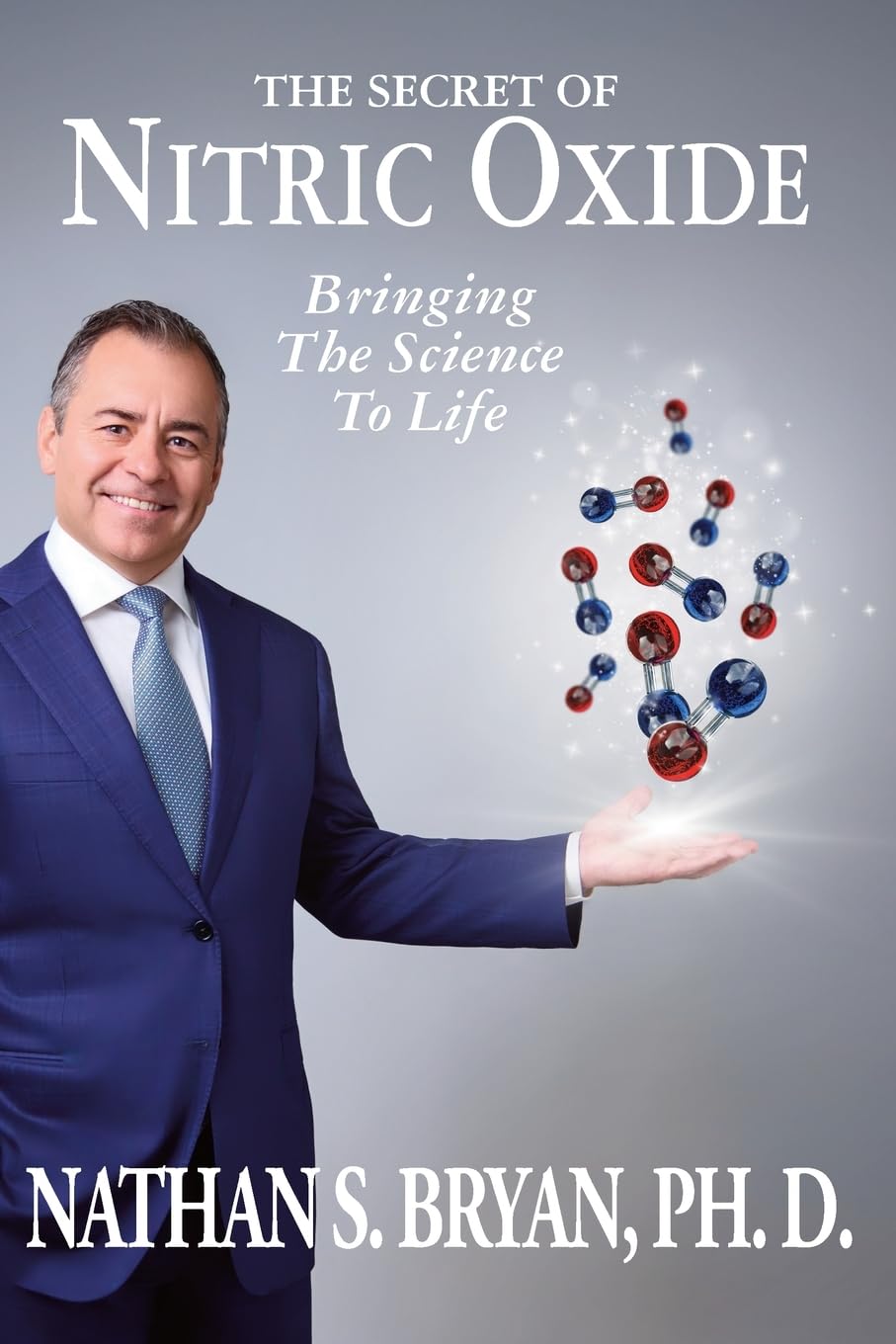
The Secret of Nitric Oxide:
The Secret of Nitric Oxide is an engaging and illuminating book that bridges biochemistry with a wider, more humane understanding of health. From an holistic and homeopathic viewpoint, it offers a refreshing reminder that the body is not a machine made of isolated parts, but a living, responsive system governed by balance, communication, and vitality. While grounded in scientific exploration, the book also subtly exposes the limitations of mainstream healthcare when it focuses too narrowly on intervention rather than on supporting the body’s innate intelligence.
One of the book’s greatest strengths is its focus on nitric oxide as a messenger rather than a “fix.” In holistic medicine, health is understood as the quality of communication within the organism—between cells, organs, and systems, and between the individual and their environment. Homeopathy, in particular, is concerned with restoring harmony to this internal communication so that the body can regulate itself. The Secret of Nitric Oxide aligns beautifully with this philosophy by emphasizing how subtle biological signals can have profound effects on circulation, immunity, energy, and overall wellbeing.
From an holistic perspective, the book’s exploration of lifestyle factors is especially valuable. Rather than presenting health as something delivered solely through pharmaceuticals, it highlights the importance of movement, nutrition, breathing, and daily habits in supporting nitric oxide pathways. This stands in quiet contrast to mainstream healthcare, which often prioritizes symptom suppression through medication while giving comparatively little attention to foundational aspects of living well. Holistic traditions have long emphasized that the terrain of the body matters as much as, if not more than, any single intervention, and this book reinforces that insight with accessible science.
The author’s approach also challenges the reductionist tendencies of modern medicine. Mainstream healthcare excels at isolating variables—one molecule, one pathway, one drug—but often struggles to integrate these findings into a coherent picture of the whole person. The Secret of Nitric Oxide encourages readers to see physiology as interconnected and responsive, an understanding that resonates strongly with homeopathic principles. In homeopathy, a small stimulus can lead to widespread systemic change, not because it overwhelms the body, but because it nudges it toward balance. The book’s emphasis on signalling rather than force mirrors this gentle, cooperative view of healing.
Another strength lies in the book’s implicit critique of the “pill-for-every-problem” mindset. While it does not reject conventional medicine outright, it raises important questions about over-reliance on pharmaceutical solutions for chronic conditions. From an holistic standpoint, chronic illness often reflects long-standing imbalance rather than a simple deficiency to be corrected. The book’s focus on restoring natural physiological processes rather than bypassing them speaks to a deeper respect for the body’s self-regulating capacity—an idea central to both holistic medicine and homeopathy.
The tone of The Secret of Nitric Oxide is also worth noting. It is informative without being dogmatic, enthusiastic without becoming prescriptive. This openness is important from an holistic perspective, where health is deeply individual and no single approach works for everyone. The book invites curiosity and experimentation rather than compliance, encouraging readers to observe how their own bodies respond. In contrast, mainstream healthcare often relies on standardized guidelines that can leave individuals feeling unseen or unheard, particularly when their experiences fall outside the norm.
Equally compelling is the way the book reframes aging and vitality. Rather than accepting decline as inevitable or relying solely on medical management, it suggests that supporting fundamental biological processes can enhance quality of life over time. Holistic medicine has always viewed aging as a dynamic process influenced by lifestyle, mindset, and environment, not merely by genetics or time. The book’s hopeful yet grounded perspective reinforces this more empowering narrative.
Importantly, The Secret of Nitric Oxide does not promise miracles. From a homeopathic and holistic viewpoint, this restraint adds to its credibility. Healing is rarely linear or dramatic; it unfolds gradually as balance is restored. By focusing on education and understanding rather than quick fixes, the book respects the reader’s intelligence and autonomy—qualities often missing in mainstream health messaging.
In conclusion, The Secret of Nitric Oxide is a valuable and inspiring read for anyone interested in a more integrated approach to health. From an holistic and homeopathic perspective, it affirms the importance of supporting the body’s natural communication systems, addressing root causes, and valuing lifestyle as medicine. While it gently challenges the limitations of mainstream healthcare’s reductionism, it does so constructively, offering a vision of health rooted in cooperation with the body rather than control over it. For readers seeking a deeper, more respectful understanding of human physiology and wellbeing, this book offers both insight and encouragement.
NOTE:
This post includes affiliate links to Amazon. If you choose to buy through these links, I may earn a small commission, which helps support this blog—thank you
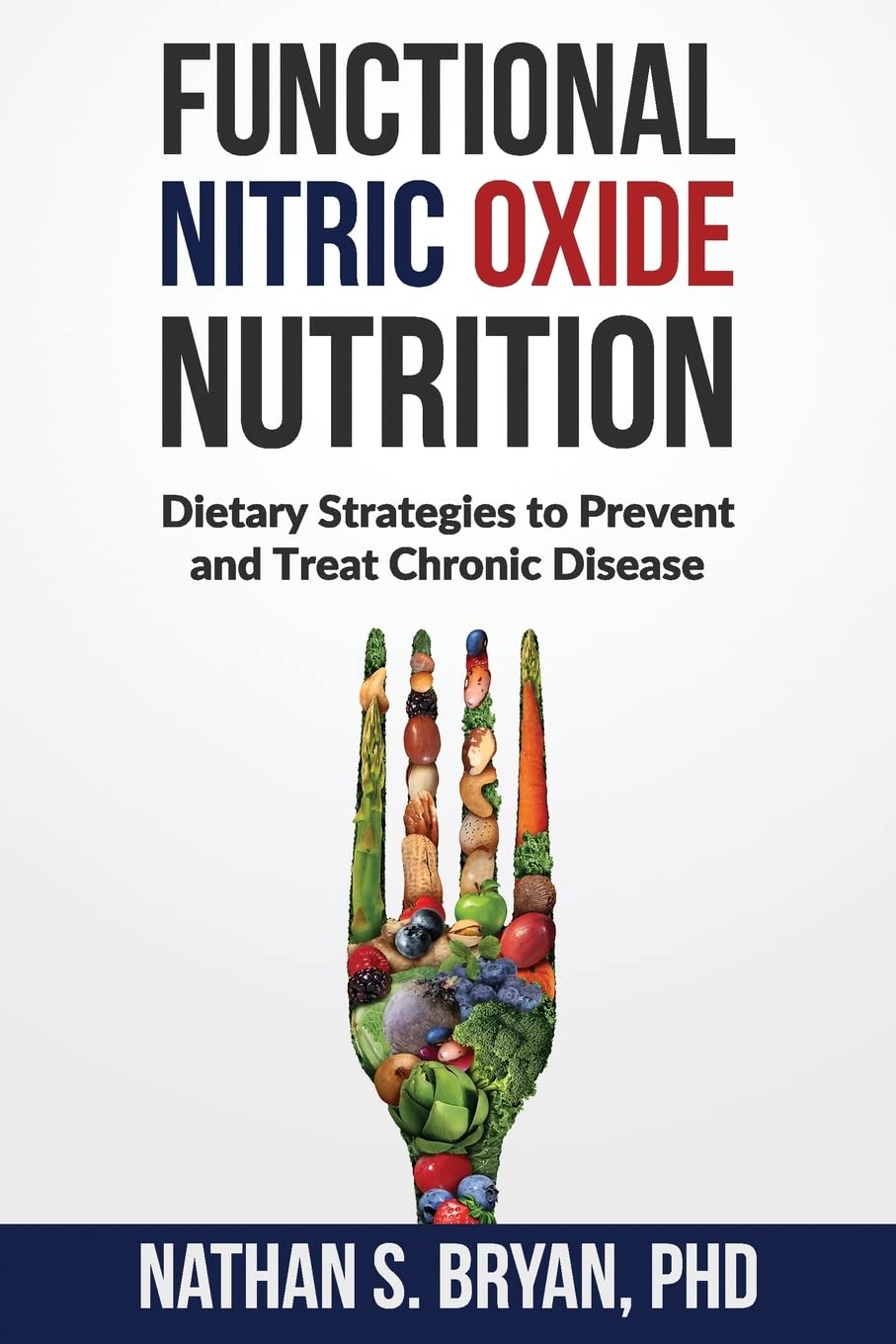
Functional Nitric Oxide Nutrition:
Functional Nitric Oxide Nutrition is an insightful and empowering book that will resonate strongly with readers who approach health from an holistic and homeopathic perspective. Rather than treating nutrition as a set of rules or isolated biochemical targets, the book presents it as a living, functional relationship between the individual and their internal physiology. In doing so, it quietly but effectively exposes the limitations of mainstream healthcare, which too often separates nutrition, lifestyle, and medicine into disconnected silos.
From an holistic viewpoint, one of the book’s most valuable contributions is its emphasis on function over force. Health is not something that can be imposed on the body; it must be cultivated by supporting the body’s innate capacity for balance and self-regulation. Homeopathy has long worked with this principle, using gentle stimuli to encourage the organism to restore harmony from within. Functional Nitric Oxide Nutrition echoes this philosophy by focusing on how nutrition can support natural signalling pathways rather than override them with aggressive interventions.
The book’s exploration of nitric oxide as a central communicator in the body feels particularly aligned with holistic thinking. Holistic medicine understands health as the quality of communication within the organism—between systems, tissues, and cells. When communication is impaired, imbalance arises. By framing nitric oxide as a functional messenger influenced by diet, lifestyle, and environment, the book reinforces the idea that health emerges from coherence and responsiveness, not from isolated fixes. This perspective stands in contrast to mainstream healthcare, which often prioritizes pharmaceutical modulation of pathways without sufficient attention to the broader context in which those pathways operate.
Another strength of the book is its clear respect for individuality. Rather than promoting rigid dietary prescriptions, it encourages readers to understand how different foods and habits interact with their own physiology. From a homeopathic perspective, this is essential. Two people can eat the same diet and experience entirely different outcomes based on constitution, vitality, stress levels, and history. The book’s functional approach acknowledges this variability and invites readers to become active participants in their own health, rather than passive recipients of standardized advice.
The critique of mainstream healthcare is subtle but unmistakable. Modern medicine excels at crisis intervention, yet often struggles to support long-term vitality and prevention. Chronic conditions are frequently managed with medication while foundational contributors—nutrition, movement, stress, and circadian rhythm—are addressed superficially, if at all. Functional Nitric Oxide Nutrition challenges this imbalance by demonstrating how deeply everyday choices influence physiological resilience. From an holistic standpoint, this focus on prevention and support rather than suppression is both overdue and necessary.
The book is also refreshing in its refusal to medicalize food. In mainstream discourse, nutrition is often reduced to nutrients, deficiencies, and targets, mirroring the reductionist tendencies of conventional medicine. Holistic traditions, however, recognize food as information—something that interacts dynamically with metabolism, immunity, and emotional wellbeing. By situating nitric oxide within this broader nutritional context, the book restores meaning and intelligence to eating, moving it beyond calorie counts and isolated compounds.
From a homeopathic viewpoint, the book’s emphasis on restoring function rather than chasing symptoms is particularly welcome. Homeopathy does not aim to silence symptoms, but to understand what they are expressing about the whole system. Similarly, Functional Nitric Oxide Nutrition frames health challenges as signals that something in the system needs support or adjustment. This approach fosters curiosity rather than fear, encouraging readers to listen to their bodies instead of fighting them.
The tone of the book is another notable strength. It is educational without being patronizing, optimistic without making exaggerated claims. This balance is important from an holistic perspective, where health is understood as a gradual, adaptive process rather than a quick transformation. The book empowers readers with knowledge while respecting the complexity of human biology—a respect that is sometimes missing in mainstream healthcare messaging, which can oversimplify in the name of compliance.
Importantly, the book does not position itself as a replacement for all other forms of care. Instead, it highlights the value of integration. From an holistic standpoint, the most effective healthcare systems are those that combine scientific insight with respect for the body’s innate wisdom. Functional Nitric Oxide Nutrition contributes meaningfully to this integration by offering a functional, nutrition-based framework that complements rather than competes with deeper healing traditions.
In conclusion, Functional Nitric Oxide Nutrition is a thoughtful and valuable read for anyone interested in holistic health, functional nutrition, or a more respectful relationship with their body. From an holistic and homeopathic viewpoint, it affirms the importance of supporting natural physiological processes, honoring individual variation, and addressing root causes rather than symptoms alone. While it gently challenges the reductionism of mainstream healthcare, it does so constructively, offering a vision of health grounded in cooperation, awareness, and vitality.
NOTE:
This post includes affiliate links to Amazon. If you choose to buy through these links, I may earn a small commission, which helps support this blog—thank you
The Invisible Rainbow:
The Invisible Rainbow is a compelling and thought-provoking book that invites readers to reconsider how modern environments influence human health. From an holistic and homeopathic perspective, it offers a rare and valuable synthesis of historical observation, scientific inquiry, and philosophical reflection—one that challenges the prevailing assumptions of mainstream healthcare without resorting to hostility or simplification. For readers who sense that contemporary medicine often overlooks subtle but significant influences on wellbeing, this book provides a powerful framework for deeper understanding.
At its core, The Invisible Rainbow explores the relationship between technological development and human health, encouraging readers to look beyond the narrow focus on pathogens, genes, and isolated biochemical mechanisms. Holistic medicine has long recognised that health arises from harmony—between the body’s systems, the individual and their environment, and the physical and emotional aspects of life. Homeopathy, in particular, places great importance on sensitivity, vitality, and the organism’s ability to adapt. The book resonates strongly with these principles by drawing attention to environmental factors that are largely invisible yet potentially influential.
One of the book’s greatest strengths is its historical perspective. By examining patterns of illness alongside major technological and environmental changes, it reminds readers that health trends do not emerge in isolation. Mainstream healthcare often treats disease as an internal malfunction or an external invasion, with limited attention to the broader context in which human physiology exists. From an holistic viewpoint, this reductionism can obscure meaningful connections. The Invisible Rainbow challenges this tendency by encouraging readers to consider whether certain chronic and systemic conditions may reflect long-term environmental stress rather than purely biological failure.
The book’s approach aligns closely with homeopathic thinking, which recognises that the body responds to stimuli—sometimes subtly, sometimes dramatically—depending on individual susceptibility. Homeopathy does not assume uniform responses across populations; instead, it honours variation, sensitivity, and threshold. The author’s emphasis on differential responses to environmental influences mirrors this understanding and challenges mainstream healthcare’s reliance on averages and population-level assumptions.
Another notable aspect of The Invisible Rainbow is its critique of medical certainty. Modern healthcare culture often equates confidence with correctness, presenting scientific consensus as settled and beyond question. Yet history repeatedly demonstrates that medical understanding evolves, sometimes overturning long-held beliefs. From an holistic perspective, humility is not a weakness but a necessity. Healing traditions that endure do so because they remain open to observation, revision, and complexity. The book’s willingness to revisit foundational assumptions reflects this spirit of inquiry and invites readers to engage more actively with questions of health and causation.
The author does not dismiss modern medicine outright, and this balance strengthens the book’s credibility. Mainstream healthcare has undeniable strengths, particularly in acute and emergency contexts. However, its dominance can marginalise other ways of knowing and limit exploration of chronic, multi-factorial illness. Holistic practitioners are well acquainted with this gap—patients whose symptoms do not fit clear diagnostic categories are often reassured, medicated, or dismissed rather than truly understood. The Invisible Rainbow speaks to this unmet need by expanding the field of inquiry rather than narrowing it further.
From a homeopathic standpoint, the book’s attention to vitality and nervous system stress is especially meaningful. Homeopathy understands that health depends on the organism’s ability to respond appropriately to challenge. When adaptive capacity is overwhelmed, imbalance arises. The book’s exploration of cumulative environmental influence aligns with this view, suggesting that subtle, persistent stressors may affect resilience over time—an idea often overlooked in mainstream healthcare’s focus on acute causes and immediate effects.
Importantly, The Invisible Rainbow does not instruct readers what to think; it encourages them how to think. This distinction is crucial from an holistic perspective. True empowerment comes not from replacing one rigid belief system with another, but from cultivating discernment, curiosity, and responsibility. The book invites readers to explore original sources, observe patterns, and reflect on their own experiences—qualities that are central to holistic healing traditions.
The tone of the book is calm, reflective, and accessible, making complex material approachable without oversimplification. It respects the reader’s intelligence and avoids sensationalism, which is particularly important given the sensitivity of its subject matter. This measured approach contrasts with much contemporary health messaging, which often relies on fear, urgency, and compliance rather than understanding and trust.
In conclusion, The Invisible Rainbow is a valuable and stimulating read for anyone interested in holistic health, medical history, or the philosophy of medicine. From an holistic and homeopathic viewpoint, it affirms the importance of considering the whole picture—body, environment, history, and sensitivity—rather than reducing health to isolated variables. While it challenges mainstream healthcare’s dominant narratives, it does so thoughtfully and respectfully, offering readers an opportunity to expand their perspective and engage more deeply with what it truly means to live in balance within the modern world.

NOTE:
This post includes affiliate links to Amazon. If you choose to buy through these links, I may earn a small commission, which helps support this blog—thank you