Introduction: The Allure of Bodyweight Training
In a world saturated with fancy gym equipment and complex workout routines, there's a refreshing simplicity to calisthenics. This ancient art of bodyweight training has been experiencing a resurgence in recent years, and for good reason. Calisthenics offers a holistic approach to fitness, building strength, flexibility, and endurance using nothing but your own body as resistance.
This comprehensive guide will delve into the world of calisthenics, exploring its rich history, outlining the fundamental principles, providing step-by-step instructions for beginners, and highlighting the numerous health benefits you can reap from this empowering practice. Whether you're a seasoned athlete or just starting your fitness journey, calisthenics has something to offer everyone.
A Glimpse into History: The Origins of Calisthenics
The roots of calisthenics can be traced back to ancient Greece, where it was used to prepare soldiers for battle. The word "calisthenics" itself comes from the Greek words kallos (beauty) and sthenos (strength). The Greeks believed that physical fitness was essential for both physical and mental well-being.
Exercises like push-ups, pull-ups, squats, and lunges were staples in the training regimens of Greek warriors. These movements not only built strength and endurance but also improved agility and coordination.
Calisthenics continued to evolve throughout history, finding its way into gymnastics, dance, and military training. In the 19th century, it became a popular form of exercise in schools and communities, promoting physical activity and overall health. Although its popularity waned somewhat with the rise of weightlifting and specialized fitness equipment, calisthenics has experienced a remarkable comeback in recent years, thanks to its accessibility, effectiveness, and versatility.
The Core Principles: Mastering the Fundamentals
Before diving into specific exercises, it's crucial to understand the core principles that underpin calisthenics:
- Progressive Overload: Just like with weightlifting, you need to gradually increase the challenge to stimulate muscle growth and strength gains. This can be achieved by increasing the number of repetitions, sets, or by progressing to more difficult variations of an exercise.
- Proper Form: Maintaining correct form is paramount in calisthenics. It ensures that you're targeting the right muscles and minimizes the risk of injury. Focus on controlled movements and avoid using momentum to cheat.
- Mind-Muscle Connection: Pay attention to the muscles you're working and actively engage them throughout the exercise. This will enhance muscle activation and improve your results.
- Consistency: Consistency is key to achieving your fitness goals. Aim to train regularly, even if it's just for a short period of time. Small, consistent efforts will yield significant results over time.
- Listen to Your Body: Don't push yourself too hard, especially when you're just starting out. Pay attention to your body's signals and rest when you need to. Overtraining can lead to injuries and setbacks.
Getting Started: A Beginner's Guide to Calisthenics
If you're new to calisthenics, it's best to start with the basics and gradually progress to more challenging exercises. Here's a sample beginner routine that you can perform 2-3 times per week:
Warm-up (5-10 minutes):
- Jumping jacks
- Arm circles
- Leg swings
- Torso twists
Workout:
- Push-ups: 3 sets of as many repetitions as possible (AMRAP). If regular push-ups are too difficult, start with knee push-ups.
- Squats: 3 sets of 15-20 repetitions.
- Lunges: 3 sets of 10-12 repetitions per leg.
- Plank: 3 sets, holding for 30-60 seconds.
- Crunches: 3 sets of 15-20 repetitions.
Cool-down (5-10 minutes):
- Stretching exercises for all major muscle groups.
As you get stronger, you can gradually increase the number of repetitions, sets, or try more challenging variations of the exercises. For example, you can progress from knee push-ups to regular push-ups, or from regular squats to jump squats.

Progression Examples:
- Push-ups: Knee Push-ups → Incline Push-ups → Regular Push-ups → Decline Push-ups
- Squats: Bodyweight Squats → Bulgarian Split Squats → Jump Squats → Pistol Squats
- Pull-ups: Assisted Pull-ups (with resistance band) → Negative Pull-ups → Regular Pull-ups → Weighted Pull-ups
- Dips: Bench Dips → Assisted Dips → Regular Dips → Weighted Dips
Important Considerations:
- Focus on Form: Always prioritize proper form over the number of repetitions.
- Listen to Your Body: Rest when you need to and don't push yourself too hard, especially when you're starting out.
- Stay Hydrated: Drink plenty of water before, during, and after your workouts.
- Nutrition: Fuel your body with a healthy and balanced diet to support your training.
- Consistency is Key: Aim to train consistently, even if it's just for a short period of time.
Beyond the Basics: Intermediate and Advanced Calisthenics
Once you've mastered the fundamental calisthenics exercises, you can start exploring more advanced movements. These exercises require a higher level of strength, coordination, and body control.
Some popular intermediate and advanced calisthenics exercises include:
- Pull-ups: A classic exercise that targets the back, biceps, and forearms.
- Dips: An excellent exercise for building chest, triceps, and shoulder strength.
- Muscle-ups: A challenging exercise that combines a pull-up and a dip, requiring explosive power and coordination.
- Handstand Push-ups: An advanced variation of the push-up that targets the shoulders, triceps, and core.
- Pistol Squats: A single-leg squat that requires balance, strength, and flexibility.
- Front Lever: A static hold that requires immense back and core strength.
- Planche: An advanced static hold that requires exceptional shoulder and core strength.

Training Tips for Advanced Calisthenics:
- Focus on Skill Development: Many advanced calisthenics exercises require specific skills and techniques. Break down the movements into smaller steps and practice them consistently.
- Use Proper Progression: Don't rush into advanced exercises before you're ready. Gradually build the necessary strength and skills through proper progression.
- Incorporate Static Holds: Static holds like planks, handstands, and levers are crucial for building strength and stability in advanced calisthenics.
- Train with Variations: Experiment with different variations of exercises to challenge your muscles and prevent plateaus.
- Get a Coach or Training Partner: A qualified coach or training partner can provide guidance, feedback, and motivation.
Sample Advanced Routine:
- Pull-ups: 3 sets of as many repetitions as possible (AMRAP)
- Dips: 3 sets of AMRAP
- Handstand Push-ups: 3 sets of AMRAP (against a wall if needed)
- Pistol Squats: 3 sets of 5-8 repetitions per leg
- Front Lever Holds: 3 sets, holding for as long as possible with good form.
- Plank: 3 sets, holding for 60-90 seconds
The Multifaceted Benefits: Why Choose Calisthenics?
Calisthenics offers a wide range of health and fitness benefits, making it an appealing choice for people of all ages and fitness levels.
- Improved Strength and Muscle Mass: Calisthenics exercises effectively build strength and muscle mass, particularly when performed with proper form and progressive overload.
- Enhanced Flexibility and Mobility: Calisthenics movements improve flexibility and range of motion, reducing the risk of injuries and improving overall mobility.
- Increased Endurance and Cardiovascular Health: Calisthenics workouts can elevate your heart rate and improve your cardiovascular health, boosting endurance and stamina.
- Improved Body Composition: Calisthenics can help you burn calories and lose weight, leading to a leaner and more toned physique.
- Enhanced Balance and Coordination: Many calisthenics exercises require balance and coordination, which can improve your overall athletic performance and reduce the risk of falls.
- Accessibility and Convenience: Calisthenics can be performed anywhere, anytime, without the need for expensive equipment or gym memberships.
- Mental Well-being: Exercise, including calisthenics, has been shown to reduce stress, improve mood, and boost self-esteem.
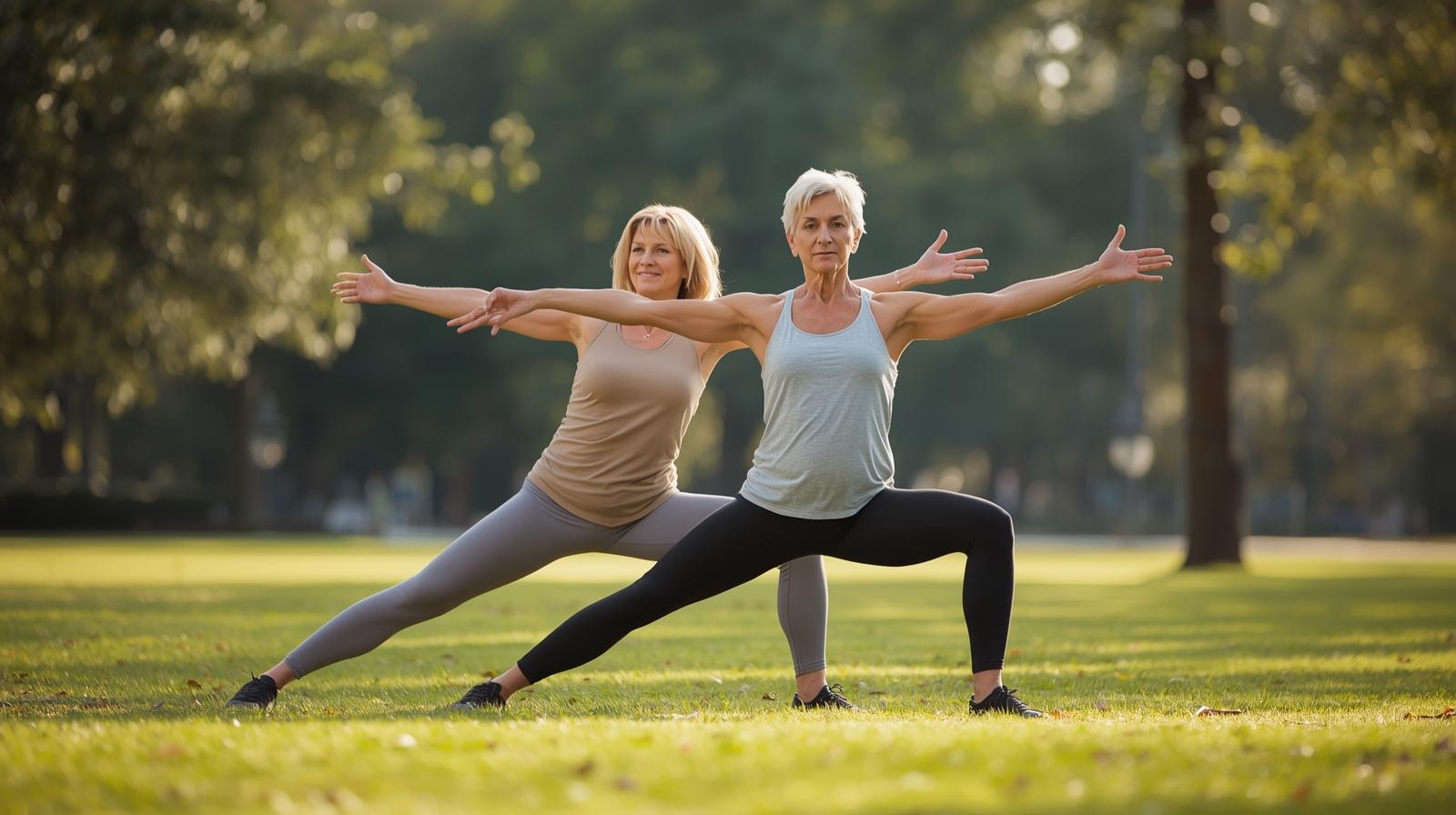
Calisthenics vs. Weightlifting: A Comparative Look
Both calisthenics and weightlifting are effective methods for building strength and improving fitness, but they differ in their approach and benefits.
- Resistance: Calisthenics uses bodyweight as resistance, while weightlifting uses external weights.
- Muscle Development: Weightlifting generally leads to greater muscle hypertrophy (muscle growth) compared to calisthenics. However, calisthenics promotes functional strength, which is strength that can be applied to real-world activities.
- Accessibility: Calisthenics is more accessible and convenient than weightlifting, as it requires no equipment or gym membership.
- Risk of Injury: When performed with proper form, both calisthenics and weightlifting are relatively safe. However, weightlifting may carry a higher risk of injury due to the use of heavy weights.
Ultimately, the best choice between calisthenics and weightlifting depends on your individual goals and preferences. If you're looking to build maximum muscle mass, weightlifting may be a better option. If you're looking for a convenient and versatile way to improve overall fitness, calisthenics is an excellent choice. Many people also choose to combine both calisthenics and weightlifting into their training programs for a well-rounded approach.
Conclusion: Embrace the Power of Your Body
Calisthenics is a powerful and versatile form of exercise that can transform your body and mind. Whether you're a beginner or an experienced athlete, calisthenics offers a challenging and rewarding path to fitness. By mastering your bodyweight, you'll unlock a world of strength, flexibility, and endurance, empowering you to achieve your fitness goals and live a healthier, more fulfilling life. So, embrace the power within you and embark on your calisthenics journey today!