Introduction: Chlorine - Friend or Foe?
For decades, chlorine has been a staple in water treatment, hailed for its ability to disinfect and eradicate harmful pathogens. While its role in public health cannot be denied, a growing body of evidence suggests that chronic exposure to chlorine, even at low levels, can have detrimental effects on our physical and mental wellbeing. From a holistic perspective, understanding chlorine's impact and implementing strategies to minimize exposure and support detoxification is paramount to achieving optimal health.
This blog post delves into the multifaceted nature of chlorine in household water. We will explore its sources, unravel its potential health consequences, and, most importantly, provide practical, holistic, natural, and homeopathic approaches to mitigate its effects and reclaim your wellbeing.
The Ubiquitous Presence of Chlorine: Where Does It Lurk?
Chlorine's pervasive presence in our lives often goes unnoticed. Here are the primary sources of chlorine exposure:
- Tap Water: The most common source. Municipal water treatment plants routinely use chlorine to disinfect drinking water. Even if you have well water, shock chlorination is sometimes employed to deal with bacterial contamination.
- Shower and Bath Water: When heated, chlorinated water releases chloroform and other volatile organic compounds (VOCs) that can be inhaled and absorbed through the skin.
- Swimming Pools and Hot Tubs: High concentrations of chlorine are used to maintain hygiene in recreational water facilities.
- Household Cleaners: Many cleaning products, especially bleach-based solutions, contain high levels of chlorine.
- Processed Foods: Some processed foods and beverages may contain trace amounts of chlorine due to its use in food processing or water sanitation.
The Ripple Effect: How Chlorine Impacts Physical Health
The human body is a complex ecosystem, and chlorine can disrupt its delicate balance in various ways:
- Gut Health Disruption: Chlorine's antimicrobial properties, while effective against harmful bacteria, can also decimate beneficial gut flora. This imbalance (dysbiosis) can impair digestion, weaken the immune system, and contribute to various health issues, including irritable bowel syndrome (IBS), allergies, and autoimmune diseases.
- Respiratory Irritation: Inhaling chlorine gas, whether from showering or cleaning, can irritate the respiratory tract, triggering coughing, wheezing, and exacerbating conditions like asthma and bronchitis. Long-term exposure can lead to chronic respiratory problems.
- Skin and Hair Damage: Chlorine strips the skin and hair of their natural oils, leading to dryness, irritation, eczema flare-ups, and brittle hair. It can also worsen existing skin conditions.
- Thyroid Dysfunction: Chlorine can interfere with iodine absorption, potentially contributing to hypothyroidism (underactive thyroid). Iodine is crucial for thyroid hormone production, which regulates metabolism, energy levels, and overall health.
- Increased Cancer Risk: Some studies suggest a link between long-term exposure to chlorinated water and an increased risk of certain cancers, particularly bladder and rectal cancer. This risk is primarily associated with disinfection byproducts (DBPs) formed when chlorine reacts with organic matter in water.
- Nutrient Depletion: Chlorinated water can destroy certain vitamins and minerals in the body, particularly vitamin E, which is essential for skin health and antioxidant protection.
Beyond the Physical: The Mental and Emotional Toll of Chlorine
The gut-brain connection is now widely recognized. Disruptions in gut flora, caused by chlorine exposure, can have profound effects on mental and emotional wellbeing:
- Mood Disorders: Gut dysbiosis has been linked to anxiety, depression, and irritability. An imbalance of gut bacteria can affect the production of neurotransmitters like serotonin, which plays a crucial role in mood regulation.
- Cognitive Impairment: Research suggests that gut health influences cognitive function. Chlorine-induced gut imbalances may contribute to brain fog, difficulty concentrating, and memory problems.
- Increased Stress Response: A compromised gut can heighten the body's stress response, making individuals more susceptible to anxiety and overwhelm.
- Exacerbation of Mental Health Conditions: Individuals with pre-existing mental health conditions may experience a worsening of their symptoms due to the impact of chlorine on gut health and neurotransmitter balance.
Holistic Strategies for Minimizing Chlorine Exposure
Reducing your exposure to chlorine is a proactive step towards safeguarding your health. Here are some effective strategies:
- Water Filtration:
- Whole-House Filter: Install a whole-house filter to remove chlorine from all water entering your home. Look for filters certified to remove chlorine, chloramine, and disinfection byproducts (DBPs).
- Point-of-Use Filters: Use a high-quality filter on your kitchen tap for drinking and cooking water. Options include activated carbon filters, reverse osmosis systems, and water filter pitchers.
- Shower Filter: Install a shower filter to remove chlorine and other chemicals from shower water. This is especially important if you have sensitive skin or respiratory issues.
- Showering and Bathing Practices:
- Shorter Showers: Limit shower time to minimize chlorine exposure through inhalation and skin absorption.
- Lower Water Temperature: Hot water releases more chlorine gas. Use warm water instead of hot.
- Ventilate the Bathroom: Ensure good ventilation in the bathroom during and after showering to dissipate chlorine gas.
- Vitamin C: Add a small amount of vitamin C powder (ascorbic acid) to your bathwater to neutralize chlorine. It can be sourced relatively inexpensively.
- Swimming Pool Awareness:
- Pre- and Post-Swim Showers: Shower before and after swimming to remove chlorine from your skin.
- Swim Caps and Goggles: Wear a swim cap to protect your hair and goggles to protect your eyes from chlorine exposure.
- Consider Saltwater Pools: Saltwater pools use a chlorine generator that produces less chlorine than traditional chlorinated pools.
- Cleaning Product Alternatives:
- Natural Cleaners: Replace chlorine-based cleaners with natural alternatives like vinegar, baking soda, lemon juice, and essential oils. There are many readily available recipes online.
- Hydrogen Peroxide: Use hydrogen peroxide as a disinfectant instead of bleach.
- Dietary Considerations:
- Choose Organic: Opt for organic produce to minimize exposure to chlorine-based pesticides.
- Read Labels: Be mindful of processed foods and beverages that may contain trace amounts of chlorine.
Natural and Homeopathic Detoxification Strategies
Supporting your body's natural detoxification processes can help mitigate the effects of chlorine exposure:
- Hydration: Drink plenty of filtered water to help flush out toxins. Aim for at least eight glasses per day.
- Dietary Support:
- Fiber-Rich Foods: Consume plenty of fiber-rich foods like fruits, vegetables, and whole grains to support healthy elimination.
- Probiotic-Rich Foods: Include probiotic-rich foods like yogurt, kefir, sauerkraut, and kimchi to restore gut flora balance.
- Chlorophyll: Incorporate chlorophyll-rich foods like spirulina, chlorella, and leafy green vegetables to help detoxify the blood.
- Antioxidants: Increase your intake of antioxidant-rich foods like berries, dark chocolate, and green tea to protect against oxidative stress caused by chlorine exposure.
- Herbal Support:
- Milk Thistle: Supports liver function and detoxification.
- Dandelion Root: Promotes liver and kidney detoxification.
- Burdock Root: Helps purify the blood and support skin health.
- Homeopathic Remedies:
- Natrum Muriaticum: This remedy is often used for conditions aggravated by chlorine or salt and can help with skin problems and dryness.
- Sulphur: Indicated for skin eruptions, itching, and sensitivity to water.
- Thuja Occidentalis: Useful for addressing the effects of vaccinations and environmental toxins.
Note: It is essential to consult with a qualified homeopathic practitioner for personalized remedy selection and dosage.

The Importance of a Holistic Approach
Addressing chlorine exposure requires a comprehensive approach that encompasses minimizing exposure, supporting detoxification, and restoring overall health. This includes:
- Addressing Gut Health: Focus on restoring gut flora balance through diet, probiotics, and herbal support.
- Supporting Liver Function: The liver is the primary detoxification organ. Support its function with herbs like milk thistle and dandelion root.
- Boosting the Immune System: A strong immune system is better equipped to handle the effects of chlorine exposure. Support your immune system with a healthy diet, adequate sleep, and stress management techniques.
- Reducing Stress: Chronic stress can weaken the immune system and impair detoxification processes. Practice stress-reducing activities like yoga, meditation, and spending time in nature.
- Personalized Approach: Recognize that everyone's body responds differently to chlorine exposure. Work with a healthcare practitioner to develop a personalized plan that addresses your specific needs and concerns.
Conclusion: Reclaiming Your Health from Chlorine's Grasp
Chlorine, while beneficial for water disinfection, can have significant health consequences when exposure is chronic. By understanding its sources, recognizing its potential effects, and implementing holistic strategies to minimize exposure and support detoxification, you can reclaim your health and well-being. Embrace a proactive approach to water filtration, dietary choices, and lifestyle practices to create a healthier, chlorine-free environment for yourself and your family. Remember to consult with qualified healthcare professionals for personalized guidance and support on your journey to optimal health.
Next Steps
- Assess Your Exposure: Identify the primary sources of chlorine exposure in your life.
- Implement Filtration: Invest in appropriate water filters for your home.
- Adopt Holistic Practices: Incorporate dietary and lifestyle changes to support detoxification.
- Seek Professional Guidance: Consult with a holistic healthcare practitioner for personalized advice.
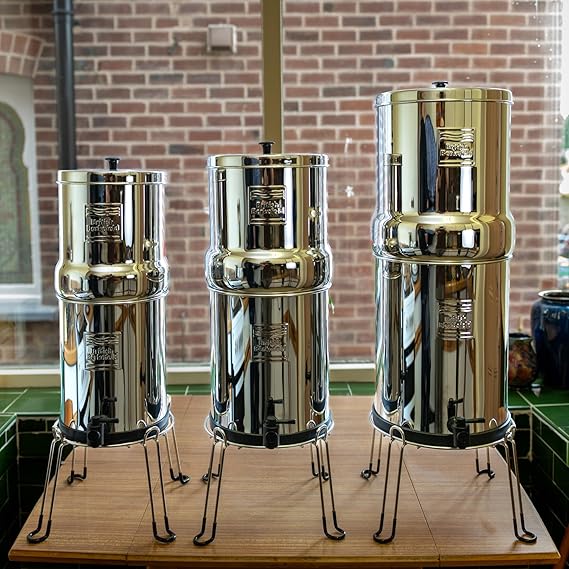
For removal of Chlorine, personally, I use the following water filter and would highly recomend it to others:
NOTE:
This post includes affiliate links to Amazon. If you choose to buy through these links, I may earn a small commission, which helps support this blog—thank you.
Recommended Water Filter: