Gut-Friendly Foods: Sources, Benefits, and How to Nourish a Healthy Digestive System
The gut is often called the body’s “second brain,” and for good reason. It plays a vital role in digestion, nutrient absorption, immune function, and even mental health. A balanced gut microbiome — the community of trillions of bacteria, fungi, and other microorganisms living in the digestive tract — is essential for overall wellbeing. When the gut is healthy, the entire body benefits. When it’s not, issues like bloating, fatigue, inflammation, and mood imbalances can arise.
This comprehensive guide explores gut-friendly foods, their sources, and the science-backed benefits they offer. It also provides practical ways to incorporate these foods into daily life for long-term digestive health.
Understanding the Gut Microbiome
The gut microbiome is a complex ecosystem that influences nearly every aspect of health. It helps break down food, produces essential vitamins, supports immune function, and communicates with the brain through the gut-brain axis. A diverse microbiome is a resilient one — meaning the more variety of beneficial bacteria present, the better the body can adapt and maintain balance.
However, modern diets high in processed foods, sugar, and artificial additives can disrupt this balance, leading to dysbiosis — an overgrowth of harmful bacteria and a reduction in beneficial strains. Restoring gut health begins with nourishing the microbiome through diet, lifestyle, and mindful eating habits.
The Role of Gut-Friendly Foods
Gut-friendly foods are those that promote the growth of beneficial bacteria, reduce inflammation, and support the integrity of the gut lining. These foods typically fall into three main categories:
- Probiotic-rich foods – Contain live beneficial bacteria that directly add to the gut microbiome.
- Prebiotic foods – Provide the fiber and nutrients that feed beneficial bacteria.
- Anti-inflammatory and nutrient-dense foods – Support gut lining repair and overall digestive function.
Each category plays a unique role in maintaining gut health, and together they create a synergistic effect that enhances digestion, immunity, and energy levels.
Probiotic-Rich Foods: The Power of Live Cultures
Probiotics are live microorganisms that, when consumed in adequate amounts, confer health benefits to the host. They help restore microbial balance, improve digestion, and strengthen the immune system.
Common Sources of Probiotics
- Yogurt: One of the most accessible probiotic foods, yogurt contains live cultures such as Lactobacillus and Bifidobacterium. Choose varieties labeled “live and active cultures” and avoid those with added sugars.
- Kefir: A fermented milk drink that contains a wider range of probiotic strains than yogurt. It’s rich in calcium, protein, and beneficial yeasts that support gut diversity.
- Sauerkraut: Fermented cabbage that provides probiotics, fiber, and vitamins C and K. Raw, unpasteurized sauerkraut is best, as pasteurization kills beneficial bacteria.
- Kimchi: A Korean staple made from fermented vegetables like cabbage and radish, seasoned with garlic, ginger, and chili. It’s rich in probiotics and antioxidants.
- Miso: A fermented soybean paste used in Japanese cuisine. It contains beneficial bacteria and enzymes that aid digestion.
- Tempeh: A fermented soybean product that’s high in protein, probiotics, and nutrients like magnesium and iron.
- Kombucha: A fermented tea beverage containing beneficial bacteria and yeasts. It supports digestion and liver detoxification.
Health Benefits of Probiotics
- Improved digestion: Probiotics help break down food and enhance nutrient absorption.
- Stronger immunity: Around 70% of the immune system resides in the gut. Probiotics stimulate immune cells and reduce susceptibility to infections.
- Reduced inflammation: Certain probiotic strains can lower inflammatory markers and support gut barrier integrity.
- Better mood and mental health: The gut-brain axis links gut bacteria to neurotransmitter production, influencing mood and stress response.
- Prevention of digestive disorders: Probiotics can alleviate symptoms of irritable bowel syndrome (IBS), diarrhea, and constipation.
Prebiotic Foods: Feeding the Good Bacteria
Prebiotics are non-digestible fibers that serve as food for beneficial gut bacteria. They help these microbes thrive, multiply, and produce short-chain fatty acids (SCFAs) like butyrate, acetate, and propionate — compounds that nourish the gut lining and reduce inflammation.
Common Sources of Prebiotics
- Garlic: Contains inulin, a type of prebiotic fiber that promotes the growth of Bifidobacteria.
- Onions: Rich in inulin and fructooligosaccharides (FOS), which enhance gut flora diversity.
- Leeks: A mild, versatile source of prebiotic fiber that supports digestive health.
- Asparagus: High in inulin and antioxidants that protect the gut lining.
- Bananas: Especially when slightly green, bananas contain resistant starch that feeds beneficial bacteria.
- Chicory root: One of the richest sources of inulin, often used as a coffee substitute or fiber supplement.
- Jerusalem artichokes: Also known as sunchokes, these tubers are packed with inulin and promote healthy digestion.
- Oats: Contain beta-glucan, a soluble fiber that supports gut bacteria and helps regulate cholesterol.
- Apples: Provide pectin, a prebiotic fiber that supports the growth of Lactobacillus and Bifidobacterium.

Health Benefits of Prebiotics
- Enhanced gut microbiome diversity: Prebiotics encourage the growth of beneficial bacteria, improving microbial balance.
- Improved digestion and regularity: Fiber adds bulk to stool and supports bowel regularity.
- Reduced inflammation: SCFAs produced by prebiotic fermentation help reduce gut and systemic inflammation.
- Better nutrient absorption: A healthy gut environment improves the absorption of minerals like calcium and magnesium.
- Support for weight management: Prebiotics can promote satiety and regulate blood sugar levels.
Anti-Inflammatory and Gut-Healing Foods
Beyond probiotics and prebiotics, certain foods help repair the gut lining, reduce inflammation, and support digestive function. These foods are rich in antioxidants, omega-3 fatty acids, and amino acids that strengthen the intestinal barrier.
Key Gut-Healing Foods
- Bone broth: Contains collagen, gelatin, and amino acids like glutamine that help repair the gut lining.
- Fatty fish: Salmon, mackerel, and sardines are rich in omega-3 fatty acids, which reduce inflammation and support gut integrity.
- Leafy greens: Spinach, kale, and Swiss chard provide fiber, antioxidants, and magnesium for digestive health.
- Berries: Blueberries, raspberries, and strawberries are high in polyphenols that feed beneficial bacteria and reduce oxidative stress.
- Turmeric: Contains curcumin, a powerful anti-inflammatory compound that supports gut barrier function.
- Ginger: Aids digestion, reduces nausea, and has anti-inflammatory properties.
- Aloe vera: Soothes the digestive tract and supports mucosal healing.
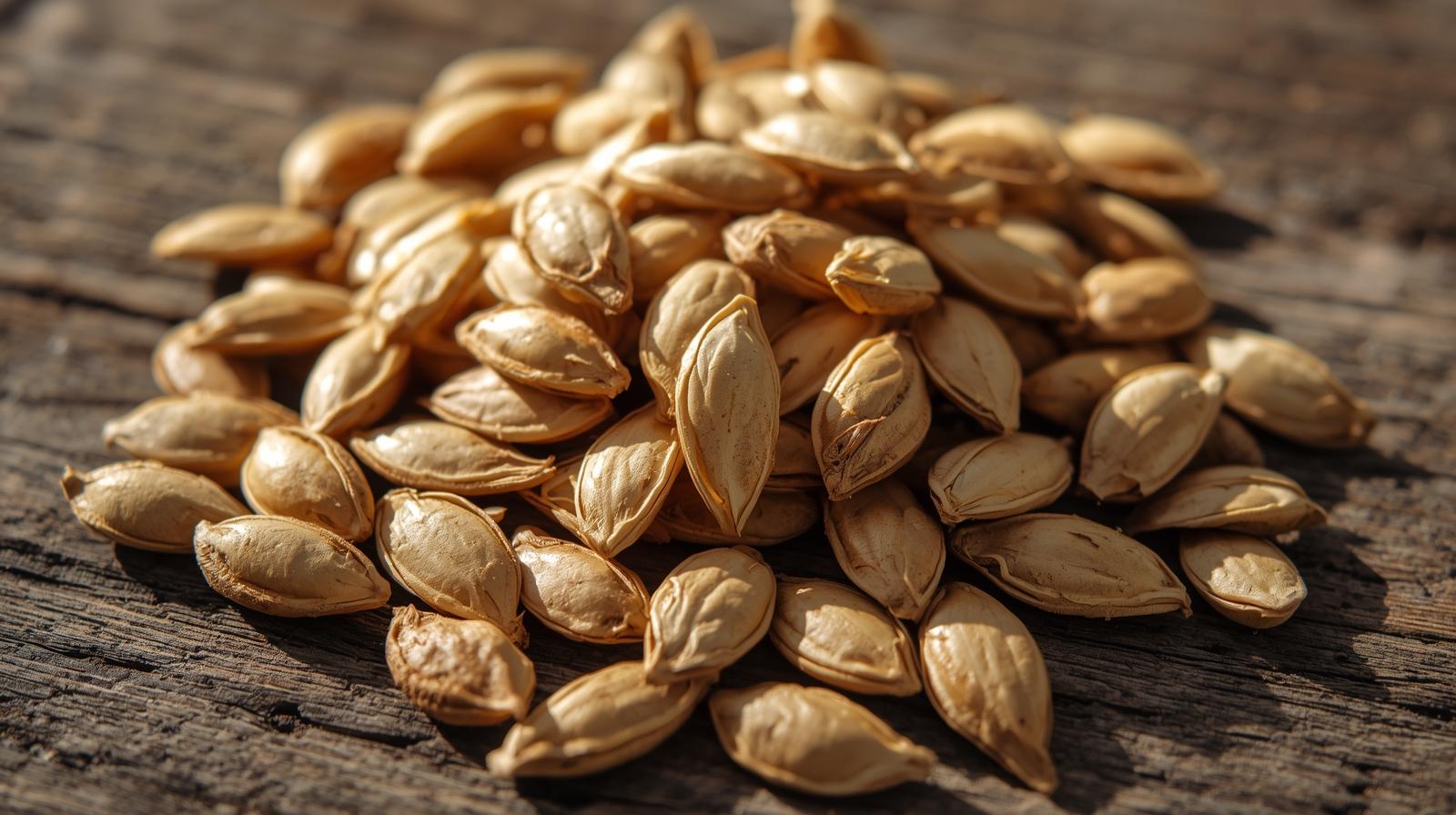
- Pumpkin seeds: Provide zinc and magnesium, essential for immune and gut health.
- Olive oil: Rich in monounsaturated fats and polyphenols that support microbial diversity.

Health Benefits of Gut-Healing Foods
- Reduced gut inflammation: Omega-3s and antioxidants help calm inflammation in the digestive tract.
- Improved gut barrier function: Collagen and amino acids strengthen the intestinal lining, preventing “leaky gut.”
- Enhanced nutrient absorption: A healthy gut lining ensures efficient absorption of vitamins and minerals.
- Balanced immune response: Anti-inflammatory foods help regulate immune activity in the gut.
The Gut-Brain Connection
The gut and brain communicate through the vagus nerve and chemical messengers like serotonin and dopamine. In fact, about 90% of serotonin — the “feel-good” neurotransmitter — is produced in the gut. A healthy microbiome supports mental clarity, emotional balance, and stress resilience.
When the gut is imbalanced, it can contribute to anxiety, depression, and cognitive fog. Conversely, nourishing the gut with probiotic and prebiotic foods can improve mood and mental wellbeing. This connection underscores the importance of a holistic approach to health that includes both nutrition and emotional wellness.
Practical Tips for a Gut-Friendly Diet
- Eat a variety of plant-based foods: Aim for 30 different plant foods per week to promote microbial diversity.
- Include fermented foods daily: Add yogurt, kefir, or sauerkraut to meals regularly.
- Increase fiber gradually: Sudden increases can cause bloating; build up slowly to allow the gut to adjust.
- Stay hydrated: Water supports digestion and helps fiber move through the intestines.
- Limit processed foods and sugar: These can feed harmful bacteria and disrupt gut balance.
- Manage stress: Chronic stress affects gut motility and microbial composition.
- Get enough sleep: Quality sleep supports gut repair and microbial balance.
- Exercise regularly: Physical activity promotes healthy digestion and microbial diversity.
Sample Gut-Friendly Meal Plan
Breakfast: Overnight oats with chia seeds, banana, and kefir
Snack: Apple slices with almond butter
Lunch: Quinoa salad with chickpeas, spinach, and olive oil dressing
Snack: Handful of pumpkin seeds and a few berries
Dinner: Grilled salmon with steamed asparagus and sauerkraut on the side
Drink: Herbal tea or kombucha
This simple plan combines probiotics, prebiotics, and anti-inflammatory foods to nourish the gut throughout the day.
Long-Term Benefits of a Gut-Friendly Diet
A consistent gut-friendly diet can lead to profound improvements in overall health, including:
- Better digestion and nutrient absorption
- Stronger immune system
- Reduced inflammation and chronic disease risk
- Improved mood and mental clarity
- Enhanced energy and vitality
- Healthier skin and metabolism
The gut is central to wellbeing, and nurturing it through mindful eating can transform health from the inside out.
Conclusion
Gut health is the foundation of overall wellness. By incorporating probiotic, prebiotic, and anti-inflammatory foods into daily meals, it’s possible to cultivate a thriving microbiome that supports digestion, immunity, and mental health. The journey to a healthier gut begins with small, consistent choices — choosing whole, natural foods that nourish the body and the beneficial bacteria within it.
A balanced gut doesn’t just improve digestion; it enhances every aspect of life. Through mindful nutrition and lifestyle habits, the gut can become a powerful ally in achieving lasting health and vitality.