Introduction
As we gracefully journey into our 50s and beyond, it's easy to get caught up in common misconceptions about aging. Many believe that declining health is an inevitable part of getting older, leading to unnecessary worry and potentially hindering proactive health management. This blog post aims to debunk prevalent health aging myths, offering evidence-based insights and empowering you to take control of your well-being. Let's separate fact from fiction and pave the way for a vibrant and healthy future.
Myth 1: Memory Loss is Inevitable
Many people fear cognitive decline as they age, assuming that memory loss is an unavoidable part of getting older. While some cognitive changes are normal, significant memory loss isn't inevitable.
The Reality:
- Normal Age-Related Changes: It's common to experience slight forgetfulness, such as occasionally misplacing keys or struggling to recall a name. These are generally not signs of serious cognitive impairment.
- Dementia is Not Inevitable: Conditions like Alzheimer's disease, the most common form of dementia, are not a typical part of aging. While the risk increases with age, it's not a guaranteed outcome.
- Lifestyle Matters: Many factors influence cognitive health, including genetics, lifestyle, and environment. Engaging in mentally stimulating activities, maintaining a healthy diet, and staying socially active can significantly reduce the risk of cognitive decline. Take an Omega 3 Supplement.
Boost Your Brainpower:
- Learn a new skill:
- Read and write regularly
- Solve puzzles
- Play strategy games
- Engage in lifelong learning
Staying mentally active is crucial for maintaining cognitive function. Challenging your brain helps create new neural pathways and strengthens existing ones, improving cognitive reserve. Cognitive reserve is the brain's ability to withstand damage and continue functioning normally. It's like having a buffer that protects against the effects of aging and disease.
- Examples:
- Learning a new language can improve memory and problem-solving skills.
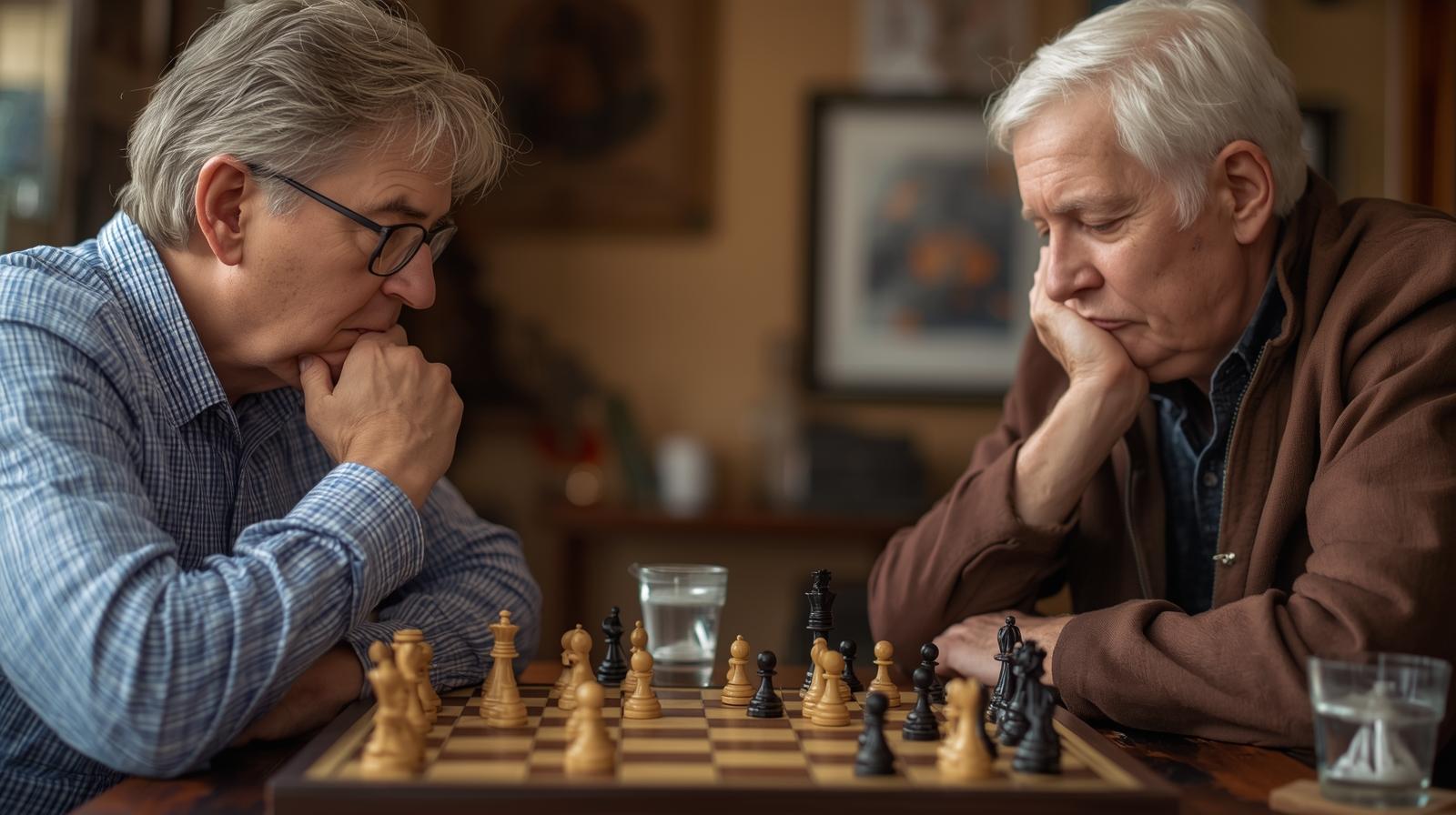
- Playing chess can enhance strategic thinking and planning abilities.
- Reading books can expand vocabulary and improve comprehension skills.
Myth 2: Physical Activity is Dangerous
Many older adults believe that physical activity is dangerous and should be avoided due to the risk of falls or injuries. This misconception often leads to a sedentary lifestyle, which can exacerbate health problems.
The Reality:
- Physical Activity is Beneficial: Regular physical activity is one of the best things you can do for your health at any age. It helps maintain muscle strength, bone density, balance, and cardiovascular health.
- Modified Exercise: Exercise programs can be tailored to individual needs and abilities. Low-impact activities like walking, swimming, and chair yoga are safe and effective for older adults.
- Fall Prevention: Exercise can actually reduce the risk of falls by improving balance and coordination. Strength training helps build muscle, making it easier to recover from a stumble.
Stay Active:
- Walking
- Swimming
- Cycling
- Yoga
- Gardening
- Dancing
Even moderate physical activity can provide significant health benefits. The key is to find activities you enjoy and can sustain over time. Consistency is more important than intensity. Aim for at least 150 minutes of moderate-intensity aerobic exercise or 75 minutes of vigorous-intensity aerobic exercise per week, along with strength training exercises at least two days per week.
- Precautions: Consult your doctor before starting a new exercise program, especially if you have any underlying health conditions. Start slowly and gradually increase the intensity and duration of your workouts.

Myth 3: It's Too Late to Change Your Habits
Some people believe that it's too late to make positive lifestyle changes once they reach a certain age. This can lead to feelings of resignation and a reluctance to adopt healthier habits.
The Reality:
- Change is Possible at Any Age: It's never too late to improve your health. The body is remarkably adaptable, and even small changes can have a significant impact.
- Benefits of Lifestyle Changes: Quitting smoking, adopting a healthier diet, and increasing physical activity can improve your health and well-being, regardless of your age.
- Improved Quality of Life: Positive lifestyle changes can lead to increased energy levels, better sleep, reduced pain, and improved mood.
Simple Changes, Big Impact:
- Healthy eating
- Regular exercise
- Quit smoking
- Reduce alcohol intake
- Stress management
Making small, gradual changes is more sustainable than trying to overhaul your entire lifestyle at once. Start by focusing on one or two areas, such as adding more fruits and vegetables to your diet or walking for 30 minutes a day. As these changes become habits, you can gradually incorporate others.
- Strategies:
- Set realistic goals
- Find a support system
- Track your progress
- Reward yourself for achieving milestones
Myth 4: Chronic Pain is Untreatable
Many older adults believe that chronic pain is an inevitable part of aging and that there's nothing they can do to alleviate it. This can lead to unnecessary suffering and a reduced quality of life.
The Reality:
- Pain Management Options: While chronic pain can be challenging to manage, it's not untreatable. A variety of options are available, including natural, homeopathic medication, physical therapy, and alternative therapies.
- Multimodal Approach: The most effective pain management often involves a combination of treatments tailored to the individual's needs.
- Improved Function: Pain management can significantly improve function and quality of life, allowing individuals to participate in activities they enjoy.
Manage Your Pain:
- Medication (Natural, Homeopathic)
- Physical therapy
- Acupuncture
- Massage therapy
- Yoga
- Mindfulness meditation
Consult with your doctor to develop a comprehensive pain management plan. It's essential to find a healthcare provider who understands your needs and can work with you to find the most effective treatments.
- Important:
- Communicate openly with your doctor about your pain levels and symptoms
- Be patient and persistent in finding the right combination of treatments
- Consider alternative therapies to complement conventional treatments
Myth 5: Social Isolation is Normal
Some older adults believe that social isolation is a normal part of aging and that there's nothing they can do to combat it. This can lead to loneliness, depression, and a decline in overall health.
The Reality:
- Social Connection is Essential: Social interaction is crucial for mental and physical health. It provides a sense of belonging, reduces stress, and improves cognitive function.
- Opportunities for Connection: There are many ways to stay socially connected, even if you have limited mobility or transportation.
- Improved Well-being: Maintaining social connections can improve mood, reduce the risk of depression, and enhance overall quality of life.
Stay Connected:
- Join clubs and groups
- Volunteer
- Attend community events
- Use technology
- Visit friends and family
Make an effort to stay connected with friends, family, and your community. Even small interactions can make a big difference in your mood and overall well-being.
- Strategies:
- Schedule regular phone calls or video chats with loved ones
- Join a book club, gardening group, or other social activity
- Volunteer your time to a cause you care about
- Take a class or workshop to learn a new skill and meet new people

Myth 6: All Older Adults are the Same
A common misconception is that all older adults are the same – frail, dependent, and set in their ways. This stereotype ignores the diversity and individuality of older people.
The Reality:
- Diversity Among Older Adults: Older adults are a diverse group with varying levels of health, abilities, interests, and experiences.
- Individual Needs and Preferences: It's important to recognize and respect individual differences when providing care and support.
- Challenging Stereotypes: By challenging ageist stereotypes, we can create a more inclusive and supportive society for older adults.
Celebrate Individuality:
- Respect individual choices
- Encourage autonomy
- Promote lifelong learning
- Value experience and wisdom
Every older adult has a unique story and perspective to share. By listening to their experiences and respecting their choices, we can learn from their wisdom and create a more age-friendly society.
- Important Considerations:
- Avoid making assumptions based on age
- Treat each person with dignity and respect
- Provide opportunities for older adults to remain active and engaged in their communities
Conclusion
Busting these health aging myths empowers you to take a proactive approach to your well-being. Aging is a natural process, but it doesn't have to mean declining health. By embracing a healthy lifestyle, staying mentally and socially engaged, and challenging negative stereotypes, you can unlock a vibrant and fulfilling future. Remember, it's never too late to make positive changes and prioritize your health.
Next Steps
- Consult with your doctor: Discuss your concerns and develop a personalized health plan.
- Set realistic goals: Start with small, achievable changes and gradually build from there.
- Find a support system: Connect with friends, family, or a support group for encouragement and motivation.
- Stay informed: Continue to learn about healthy aging and stay up-to-date on the latest research.
- Embrace the journey: Aging is a privilege. Focus on living each day to the fullest and celebrating the wisdom and experiences you've gained.