As we journey through life, our bodies' needs evolve, and maintaining optimal health becomes increasingly important. For those over 50, incorporating health smoothies into your daily routine can be a delicious and convenient way to boost your well-being. This blog post explores the myriad benefits of smoothies for this age group, highlights key nutrients to include, suggests easy-to-follow recipes, and provides practical tips for making smoothies a cornerstone of a healthy lifestyle.
Why Smoothies are a Great Choice After 50
Smoothies offer a multitude of advantages for individuals over 50. They are:
- Nutrient-Dense: Packed with vitamins, minerals, antioxidants, and fiber.
- Easy to Digest: Blending breaks down food, making nutrients more accessible.
- Convenient and Quick: Ideal for busy schedules or when appetite is low.
- Hydrating: Contributes to daily fluid intake, crucial for overall health.
- Versatile: Easily customizable to individual needs and preferences.
- Support Digestive Health: Fiber from fruits, vegetables, and seeds promotes regularity and gut health. The probiotics sometimes included in smoothies also further help gut health.
- Easy to Prepare: Most recipes are simple and fast, requiring only a few minutes to throw ingredients into a blender.
- Good for Weight Management: Can be used to replace meals, and their high fiber and protein content can help keep you satiated.
- Help Manage Chronic Conditions: Tailored smoothies can assist in managing conditions such as heart disease, diabetes, and arthritis by incorporating specific beneficial ingredients.
Essential Nutrients for the Over 50s & How to Get Them in Your Smoothie
As we age, our nutritional needs shift. Focusing on specific nutrients can help address age-related changes and maintain vitality. Here are some key nutrients to prioritize in your smoothies:
- Protein: Crucial for maintaining muscle mass, bone health, and immune function. Include sources like protein powder, Greek yogurt, tofu, or seeds.
- Calcium: Essential for bone density and preventing osteoporosis. Add leafy greens, fortified plant-based milk, or yogurt.
- Vitamin D: Aids calcium absorption and supports immune function. Supplement with Vitamin D drops or include fortified foods.
- Omega-3 Fatty Acids: Beneficial for heart health, brain function, and reducing inflammation. Incorporate flaxseeds, chia seeds, or walnuts.
- Fiber: Promotes digestive health, regulates blood sugar, and helps lower cholesterol. Add fruits, vegetables, oats, or chia seeds.
- Antioxidants: Protect against cell damage and reduce the risk of chronic diseases. Include berries, leafy greens, and colorful vegetables.
- Potassium: Important for maintaining healthy blood pressure. Bananas, spinach, and sweet potatoes are excellent sources.
Further nutrients to consider:
- Coenzyme Q10 (CoQ10): Vital for cellular energy production and cardiovascular health, particularly for those on statins.
- Vitamin B12: Important for nerve function and red blood cell formation; absorption can decline with age.
- Probiotics: Support a healthy gut microbiome, crucial for nutrient absorption and immune function. A healthy gut can reduce inflammation and improve nutrient absorption, which is vital as digestion becomes less efficient with age.
- Magnesium: Helps with muscle and nerve function, blood sugar control, and blood pressure regulation. This mineral is often under-consumed and crucial for preventing muscle cramps and supporting bone health.
- Creatine: Not just for bodybuilders; creatine can help maintain muscle mass and strength in older adults. Add a small amount of creatine monohydrate.
- Collagen: Supports skin elasticity, joint health, and bone strength. Adding collagen powder to your smoothies can support overall structural health.
Superfood Spotlight: Power Up Your Smoothie!
Adding superfoods to your smoothies amplifies their nutritional benefits and provides an extra boost of vitality. Here are a few examples:
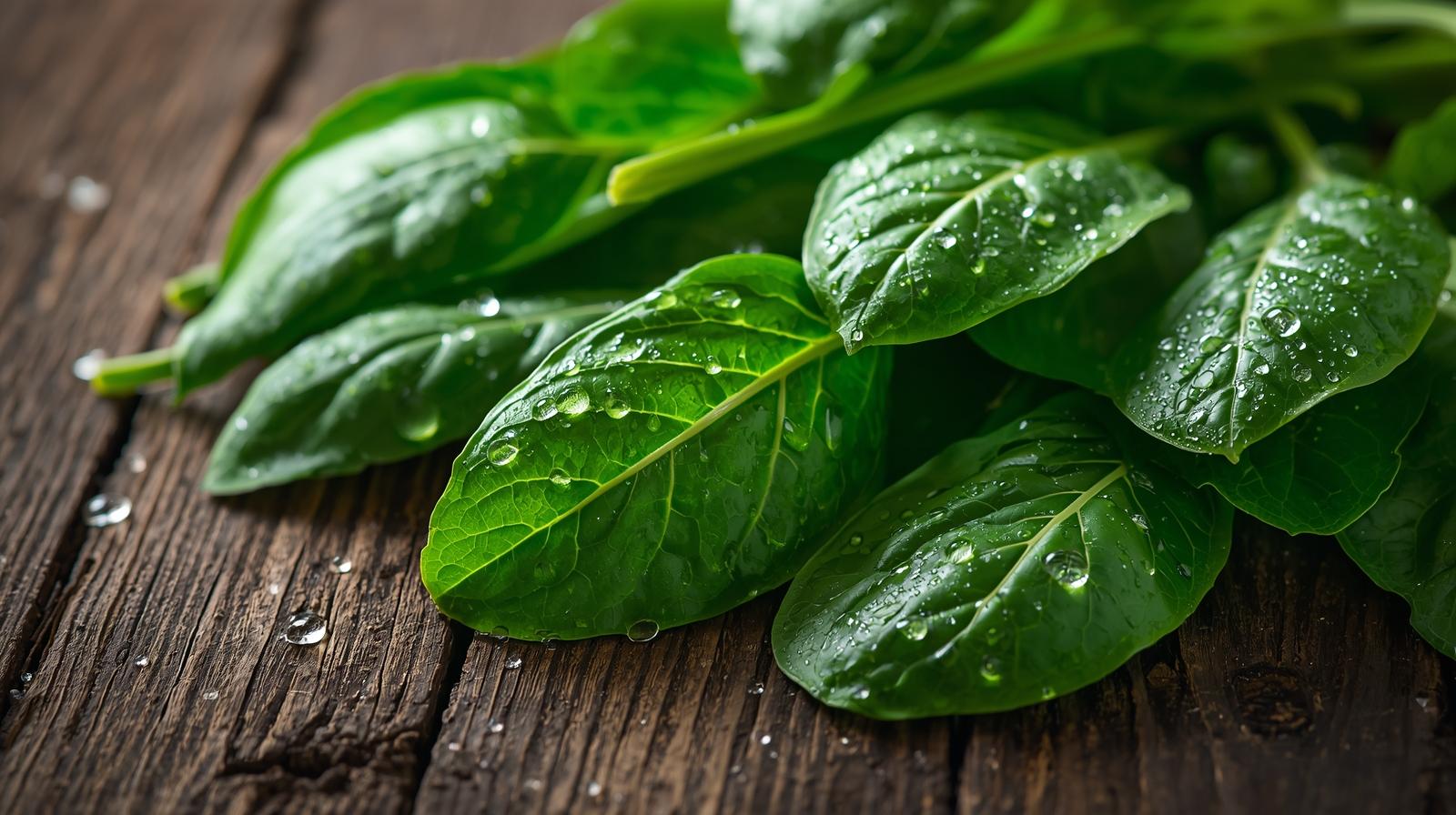
- Spinach: Packed with vitamins, minerals, and antioxidants. Its mild flavor blends seamlessly into smoothies.
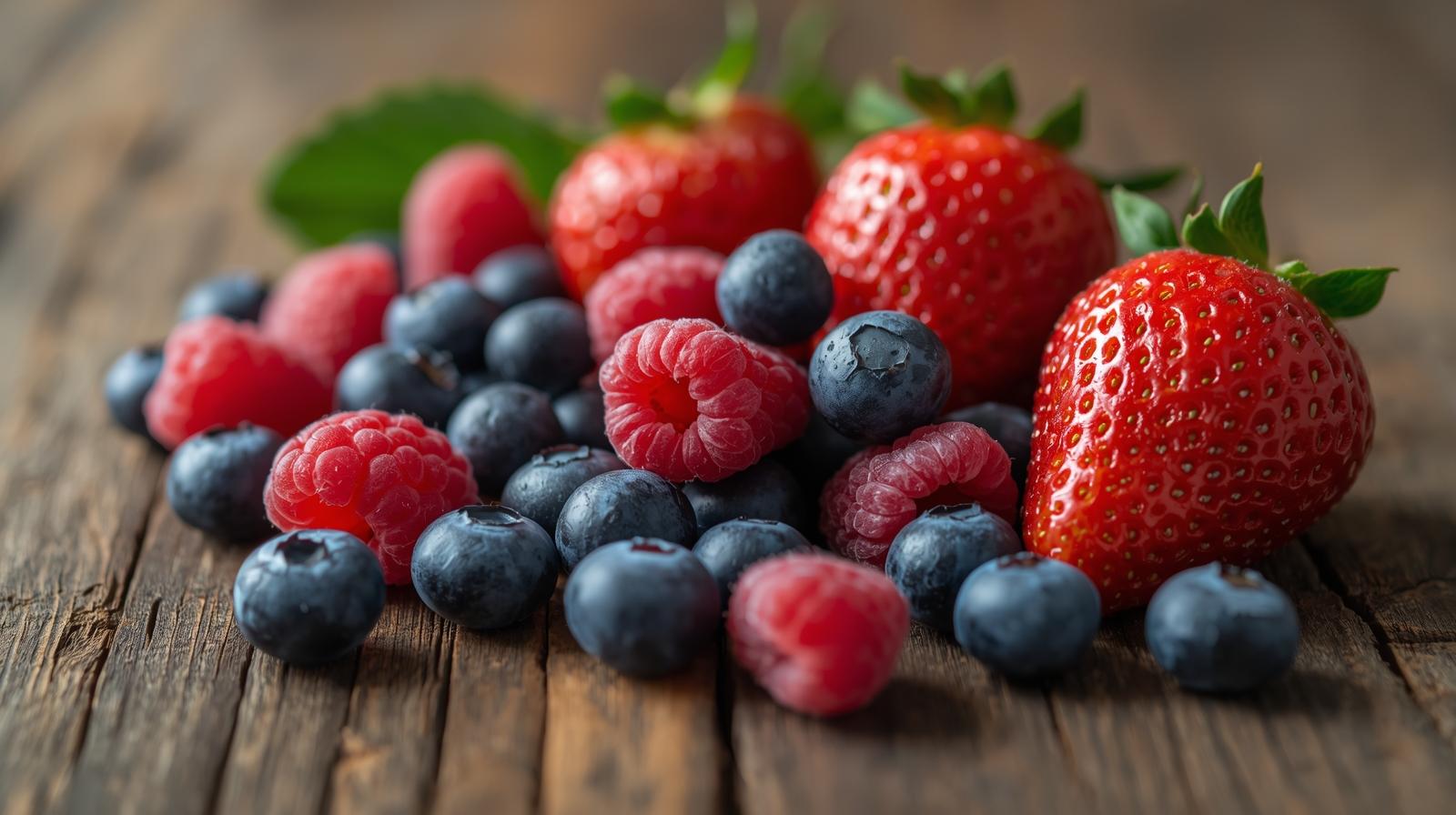
- Berries: Rich in antioxidants and fiber, supporting heart health and cognitive function. Use fresh or frozen.
- Flaxseeds/Chia Seeds: Excellent sources of omega-3 fatty acids and fiber, promoting heart health and digestive regularity.
- Ginger: Contains anti-inflammatory properties, aiding digestion and relieving nausea. A small piece adds a zingy flavor.
- Turmeric: Contains curcumin, a potent anti-inflammatory compound. Pair with black pepper for enhanced absorption.
- Avocado: Provides healthy fats, fiber, and vitamins, contributing to satiety and overall well-being.
- Beets: Known for improving blood flow and exercise endurance due to their nitrate content.
- Matcha: Provides a sustained energy boost and is rich in antioxidants. A teaspoon can elevate your smoothie's health profile.
- Kefir: A fermented milk drink that's high in probiotics. It will provide a creamy texture while adding beneficial bacteria to your gut.
Delicious & Easy Smoothie Recipes for the Over 50s
These recipes are designed to be nutritious, delicious, and easy to prepare. Feel free to adjust ingredients and quantities to suit your taste preferences and dietary needs.
1. The Green Power Smoothie
- 1 cup spinach
- ½ cup mixed berries (fresh or frozen)
- ½ banana
- 1 scoop protein powder
- 1 tbsp flaxseeds
- 1 cup unsweetened almond milk
Benefits: Packed with vitamins, minerals, protein, and omega-3 fatty acids.
2. The Berry Good Heart Smoothie
- 1 cup mixed berries (fresh or frozen)
- ½ cup Greek yogurt
- 1 tbsp chia seeds
- ½ avocado
- ½ cup water or plant-based milk
Benefits: Rich in antioxidants, fiber, healthy fats, and calcium, promoting heart health and satiety.
3. The Tropical Turmeric Smoothie
- 1 cup pineapple chunks (fresh or frozen)
- ½ banana
- ½ inch ginger
- ½ tsp turmeric powder
- Pinch of black pepper
- 1 cup coconut water
Benefits: Anti-inflammatory, hydrating, and packed with vitamins and antioxidants.
4. The Bone-Boosting Smoothie
- 1 cup kale
- ½ cup pineapple
- ½ banana
- 1/4 cup almonds
- 1 cup fortified almond milk
Benefits: High in calcium, vitamin D, and antioxidants for strong bones and overall health.
5. The High-Protein Energy Smoothie
- 1 cup frozen mango
- 1 scoop protein powder (whey, soy, or plant-based)
- 1/2 cup silken tofu
- 1 tbsp almond butter
- 1 cup unsweetened almond milk
Benefits: Excellent source of protein and healthy fats for sustained energy and muscle support.
Tips for Making Smoothies a Habit
To reap the long-term benefits of smoothies, consistency is key. Here are some practical tips for incorporating them into your daily routine:
- Plan Ahead: Prepare ingredients in advance by washing and chopping fruits and vegetables. Store them in the freezer or refrigerator for easy access.
- Invest in a Good Blender: A high-quality blender will ensure smooth consistency and efficient nutrient extraction.
- Experiment with Flavors: Don't be afraid to try new combinations and adapt recipes to your liking.
- Listen to Your Body: Pay attention to how different ingredients affect you and adjust accordingly.
- Use as a Meal Replacement: Smoothies can be an excellent option for breakfast, lunch, or a snack, especially on busy days.
- Make it a Ritual: Incorporate smoothie preparation into your morning or afternoon routine to create a positive association.
- Batch Prep: If your blender size permits, make multiple smoothies at once. Store extra servings in the refrigerator for up to 24 hours or freeze for longer storage.
- Avoid Added Sugars: Opt for natural sweeteners like dates, bananas, or a touch of honey or maple syrup in moderation. Sweetness from fruits is usually sufficient.
Considerations & Potential Downsides
While smoothies are generally healthy, there are a few potential drawbacks to consider:
- Sugar Content: Smoothies can be high in natural sugars from fruits, so it's important to balance them with protein, fiber, and healthy fats to prevent blood sugar spikes.
- Calorie Density: Be mindful of portion sizes, as smoothies can be calorie-dense. Adjust ingredients to meet your individual calorie needs.
- Lack of Chewing: Chewing stimulates digestive enzymes, which are bypassed when drinking smoothies. This can impact satiety and nutrient absorption for some individuals.
- Medication Interactions: Certain ingredients, such as grapefruit, can interact with medications. Consult with your doctor or pharmacist if you have any concerns.
- Oxalates: Individuals with kidney problems should be mindful of the oxalate content in certain leafy greens and berries. Cooking or steaming these ingredients can reduce oxalate levels.
- Tooth Decay: Frequent consumption of sugary smoothies can contribute to tooth decay. Rinse your mouth with water after drinking smoothies to minimize the risk.

Final Thoughts
Incorporating health smoothies into your routine is a simple yet powerful way to enhance your well-being after 50. By focusing on essential nutrients, experimenting with delicious recipes, and adopting practical tips, you can sip your way to improved health, vitality, and a more vibrant life. Remember to consult with your healthcare provider or a registered dietitian for personalized guidance and to address any specific health concerns.
By understanding the specific nutritional needs of the over-50s and carefully selecting ingredients, smoothies can be a convenient, delicious, and effective way to support a healthy and active lifestyle. So, dust off your blender and start experimenting with these recipes to find your perfect blend!