Introduction
As we age, maintaining a healthy heart becomes increasingly important. Adults aged 50 and above can significantly benefit from adopting heart-healthy eating habits. This blog post provides practical meal suggestions, nutrition tips, and tailored advice to support cardiovascular health and overall well-being.
Understanding Heart Health After 50
Heart health needs change as we age. Metabolism slows, and the risk of developing cardiovascular diseases increases. Factors like high blood pressure, and inflammation become more prevalent. A heart-healthy diet can mitigate these risks and improve overall quality of life. It's important to consult with healthcare professionals for personalized dietary advice.
Here's why focusing on heart health after 50 is crucial:
- Reduced Risk of Cardiovascular Diseases: A balanced diet can lower the risk of heart attacks, strokes, and other heart-related conditions.
- Improved Cholesterol Levels: Dietary changes can help lower LDL (bad) cholesterol and increase HDL (good) cholesterol.
- Lower Blood Pressure: Nutritious meals can contribute to maintaining healthy blood pressure levels.
- Weight Management: A heart-healthy diet supports maintaining a healthy weight, reducing strain on the heart.
- Increased Energy Levels: Nutritious foods provide sustained energy and vitality.
Key Nutritional Components for Heart Health
A heart-healthy diet revolves around several key nutritional components:
- Fiber: Soluble fiber helps lower cholesterol levels. Good sources include oats, beans, apples, and citrus fruits.
- Healthy Fats: Unsaturated fats, such as those found in olive oil, avocados, nuts, and fatty fish (salmon, mackerel, sardines), are beneficial for heart health. Limit trans fats.
- Lean Protein: Choose lean protein sources like poultry (skinless), fish, beans, and tofu.
- Whole Grains: Opt for whole grains like brown rice, quinoa, whole wheat bread, and oats instead of refined grains.
- Fruits and Vegetables: Aim for a variety of colorful fruits and vegetables, rich in vitamins, minerals, and antioxidants.
- Omega-3 Fatty Acids: These essential fats are crucial for heart health, found primarily in fatty fish. Consider a supplement if you don't consume enough fish.

Practical Meal Ideas for Heart Health
Here are some practical meal ideas tailored for heart health:
Breakfast:
- Oatmeal with Berries and Nuts: A warm bowl of oatmeal topped with fresh berries (blueberries, strawberries, raspberries) and a sprinkle of walnuts or almonds. This provides fiber, antioxidants, and healthy fats.
- Scrambled Eggs with Spinach and Whole Wheat Toast: Scramble eggs with fresh spinach and serve with a slice of whole wheat toast. Eggs are a good source of protein, and spinach adds essential vitamins and minerals. (Consider using egg whites to further reduce cholesterol intake.)
- Greek Yogurt with Fruit and Granola: Plain Greek yogurt mixed with fruit (such as peaches or bananas) and a small amount of low-sugar granola. Greek yogurt is high in protein and calcium.
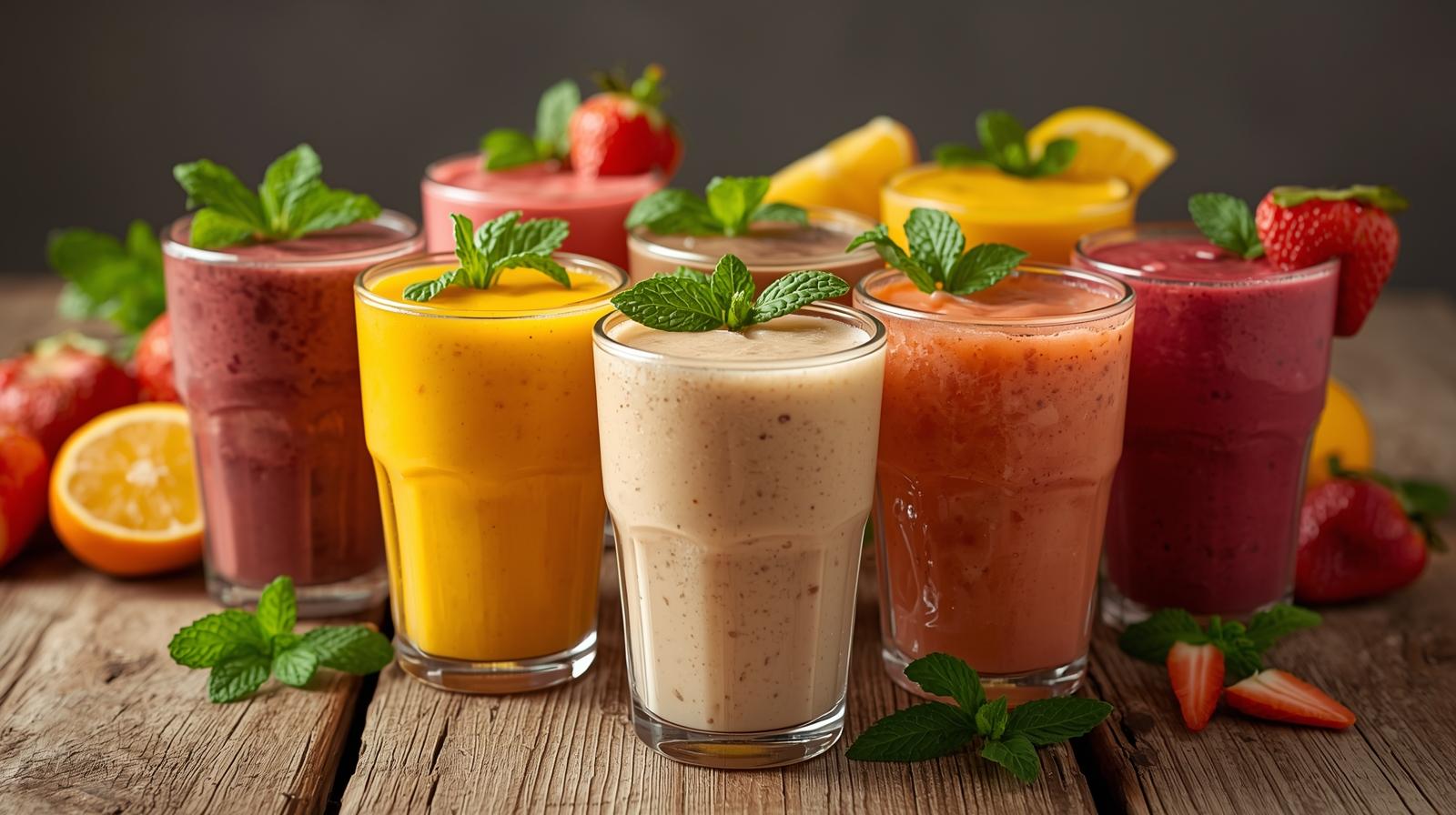
- Smoothie: Blend spinach, banana, berries, yogurt and water, almond milk or low fat milk to create a heart healthy and delicious smoothie. Add flax seeds for extra fiber and Omega-3s.
Lunch:
- Salmon Salad Sandwich on Whole Grain Bread: Mix canned salmon with light mayonnaise, celery, and dill. Serve on whole grain bread with lettuce and tomato. Salmon is rich in omega-3 fatty acids.
- Lentil Soup: A hearty and nutritious soup packed with fiber and protein. Add vegetables like carrots, celery, and spinach.
- Quinoa Salad with Roasted Vegetables: Combine cooked quinoa with roasted vegetables (such as broccoli, bell peppers, and zucchini) and a light vinaigrette dressing. Quinoa is a complete protein and provides essential amino acids.
- Chicken and Avocado Wrap: Use a whole wheat tortilla and add grilled chicken slices, avocado, lettuce and tomatoes to create a light, healthy meal.
Dinner:
- Baked Salmon with Roasted Asparagus and Sweet Potato: Bake salmon with lemon and herbs. Serve with roasted asparagus and a baked sweet potato. A complete meal with omega-3 fatty acids, vitamins, and fiber.
- Chicken Stir-Fry with Brown Rice: Stir-fry chicken with a variety of colorful vegetables (such as broccoli, carrots, and snap peas) in a low-sodium sauce. Serve over brown rice.
- Black Bean Burgers on Whole Wheat Buns: Make black bean burgers with spices and herbs. Serve on whole wheat buns with lettuce, tomato, and avocado.
- Turkey Meatloaf with Mashed Cauliflower: Make a healthy meatloaf out of ground turkey and season with your favorite herbs and spices. Instead of mashed potatoes, use mashed cauliflower for a lower-carb alternative.
Snacks:
- A handful of almonds or walnuts
- Apple slices with peanut butter
- Baby carrots with hummus
- A small bowl of berries
- Air-popped popcorn (unsalted)
Tips for Adapting Recipes to Be Heart-Healthy
- Use Healthy Fats: Dripping, butter, lard, olive oil or avocado oil.
- Increase Fiber: Add beans, lentils, or whole grains to your meals.
- Protein: Meat, fish, eggs, poultry 9yes, this includes fatty cuts of meat, especially beef).
- Limit Processed Foods: Cook from scratch as much as possible to avoid unhealthy additives and excess sodium and sugar.
- Portion Control: Be mindful of portion sizes to maintain a healthy weight.
Specific Dietary Considerations for Adults 50+
- Calcium and Vitamin D: Essential for bone health. Include dairy products, leafy greens, and fortified foods. Consider a supplement if needed.
- Vitamin B12: Absorption may decrease with age. Good sources include meat, fish, and fortified cereals. Supplementation may be necessary.
- Hydration: Drink plenty of water throughout the day to support overall health.
- Manage Underlying Conditions: If you have diabetes, high blood pressure, or high cholesterol, work with your healthcare provider to manage these conditions through diet and medication.
- Chewing and Swallowing Difficulties: If you have difficulties chewing or swallowing, modify the texture of your food to make it easier to eat. Pureed foods, smoothies, and soft, moist dishes can be helpful.
.jpg)
The Importance of Regular Exercise
Alongside a heart-healthy diet, regular exercise is crucial for maintaining cardiovascular health. Aim for at least 150 minutes of moderate-intensity aerobic exercise per week, such as brisk walking, swimming, or cycling. Incorporate strength training exercises at least twice a week to maintain muscle mass and bone density. Consult with your healthcare provider before starting any new exercise program.
Conclusion
Adopting heart-healthy meal ideas and lifestyle habits after 50 can significantly improve your cardiovascular health and overall well-being. By focusing on key nutritional components, incorporating practical meal suggestions, and addressing specific dietary considerations, you can nourish your heart and enjoy a healthier, more vibrant life. Remember to consult with your healthcare provider or a registered dietitian for personalized advice tailored to your individual needs.