Introduction
In the ever-expanding world of health and wellness, the terms probiotics and prebiotics are frequently tossed around. While they sound similar and both contribute to a healthy gut, they play distinct roles. Understanding the difference between them is crucial for optimizing your digestive health and overall well-being.
This comprehensive guide will delve into the world of probiotics and prebiotics, exploring their definitions, benefits, food sources, and practical tips for incorporating them into your daily diet. By the end, you'll have a clear understanding of how these two work synergistically to support a thriving gut microbiome.
What are Probiotics?
Probiotics are live microorganisms that, when administered in adequate amounts, confer a health benefit on the host. Think of them as beneficial bacteria that reside in your gut, helping to maintain a balanced and diverse microbial ecosystem. These friendly bacteria aid in digestion, nutrient absorption, and immune function.
Key Characteristics of Probiotics:
- Live and Active: Probiotics must be alive when consumed to exert their beneficial effects.
- Strain-Specific: Different strains of probiotics offer varying benefits. For example, Lactobacillus rhamnosus GG is known for its immune-boosting properties, while Bifidobacterium lactis BB-12 supports digestive health.
- Found in Fermented Foods and Supplements: Probiotics are naturally present in fermented foods like yogurt, kefir, sauerkraut, and kimchi. They are also available in supplement form, often containing a blend of different strains.
.jpg)
What are Prebiotics?
Prebiotics, on the other hand, are non-digestible food components that selectively stimulate the growth and/or activity of beneficial bacteria in the gut. In simpler terms, they are the food that probiotics eat.
Key Characteristics of Prebiotics:
- Non-Digestible Fibers: Prebiotics are typically types of dietary fiber that the human body cannot break down.
- Fuel for Probiotics: They provide nourishment for the beneficial bacteria in your gut, helping them to thrive and multiply.
- Found in Plant-Based Foods: Prebiotics are abundant in various plant-based foods, including onions, garlic, asparagus, bananas, and oats.
How Probiotics and Prebiotics Work in the Body
Probiotics and prebiotics work together to create a symbiotic relationship that supports a healthy gut microbiome:
- Probiotics Colonize the Gut: When you consume probiotics, the live bacteria travel to your gut and attempt to colonize, adding to the existing population of beneficial microbes.
- Prebiotics Feed the Probiotics: Prebiotics provide the necessary fuel for these probiotics (and other beneficial bacteria already present) to grow and flourish. By selectively promoting the growth of beneficial bacteria, prebiotics help to create a more balanced and diverse gut microbiome.
- Improved Gut Health: A healthy gut microbiome contributes to improved digestion, nutrient absorption, immune function, and even mental well-being.
Probiotics:
- Introduce live beneficial bacteria to the gut.
- Help restore balance to the gut microbiome after disturbances (e.g., antibiotic use).
- Can improve digestion and nutrient absorption.
- May boost the immune system.
- Specific strains can target specific health concerns.
Prebiotics:
- Nourish the existing beneficial bacteria in the gut.
- Promote the growth and activity of probiotics.
- Enhance the effectiveness of probiotics.
- Contribute to a more diverse and resilient gut microbiome.
- Support the production of beneficial short-chain fatty acids (SCFAs).
Health Benefits of Probiotics and Prebiotics
The combined power of probiotics and prebiotics offers a wide range of health benefits:
- Improved Digestion: Probiotics can help alleviate digestive issues such as bloating, gas, constipation, and diarrhea. They aid in breaking down food, absorbing nutrients, and regulating bowel movements. Prebiotics further enhance digestion by promoting the growth of bacteria that produce beneficial short-chain fatty acids (SCFAs), such as butyrate, which nourish the cells lining the colon.
- Enhanced Immune Function: A significant portion of your immune system resides in your gut. Probiotics help strengthen the immune system by stimulating the production of immune cells and antibodies. Prebiotics support this process by promoting a healthy gut environment that allows beneficial bacteria to thrive and outcompete harmful pathogens.
- Reduced Risk of Allergies: Some studies suggest that probiotics may help reduce the risk of allergies, particularly in infants and young children. Probiotics can help modulate the immune system and promote tolerance to allergens. Prebiotics may also play a role in allergy prevention by supporting a healthy gut microbiome from an early age.
- Mental Health Benefits: Emerging research suggests a strong connection between the gut and the brain, often referred to as the gut-brain axis. Probiotics may influence mood, anxiety, and cognitive function by producing neurotransmitters and other signaling molecules that communicate with the brain. Prebiotics can indirectly support mental health by promoting a healthy gut environment that reduces inflammation and supports the production of beneficial neurotransmitters.
- Weight Management: Probiotics and prebiotics may play a role in weight management by influencing metabolism, appetite, and energy expenditure. Certain strains of probiotics have been shown to reduce body weight and fat mass. Prebiotics can promote feelings of fullness and satiety, which may help reduce overall calorie intake.
- Improved Nutrient Absorption: A healthy gut microbiome is essential for optimal nutrient absorption. Probiotics can help break down complex carbohydrates and proteins, making them easier for the body to absorb. Prebiotics can enhance nutrient absorption by promoting the growth of bacteria that produce vitamins and minerals.
Food Sources of Probiotics and Prebiotics
Incorporating probiotics and prebiotics into your diet is easier than you might think. Here's a list of foods rich in these beneficial compounds:
Probiotic-Rich Foods:
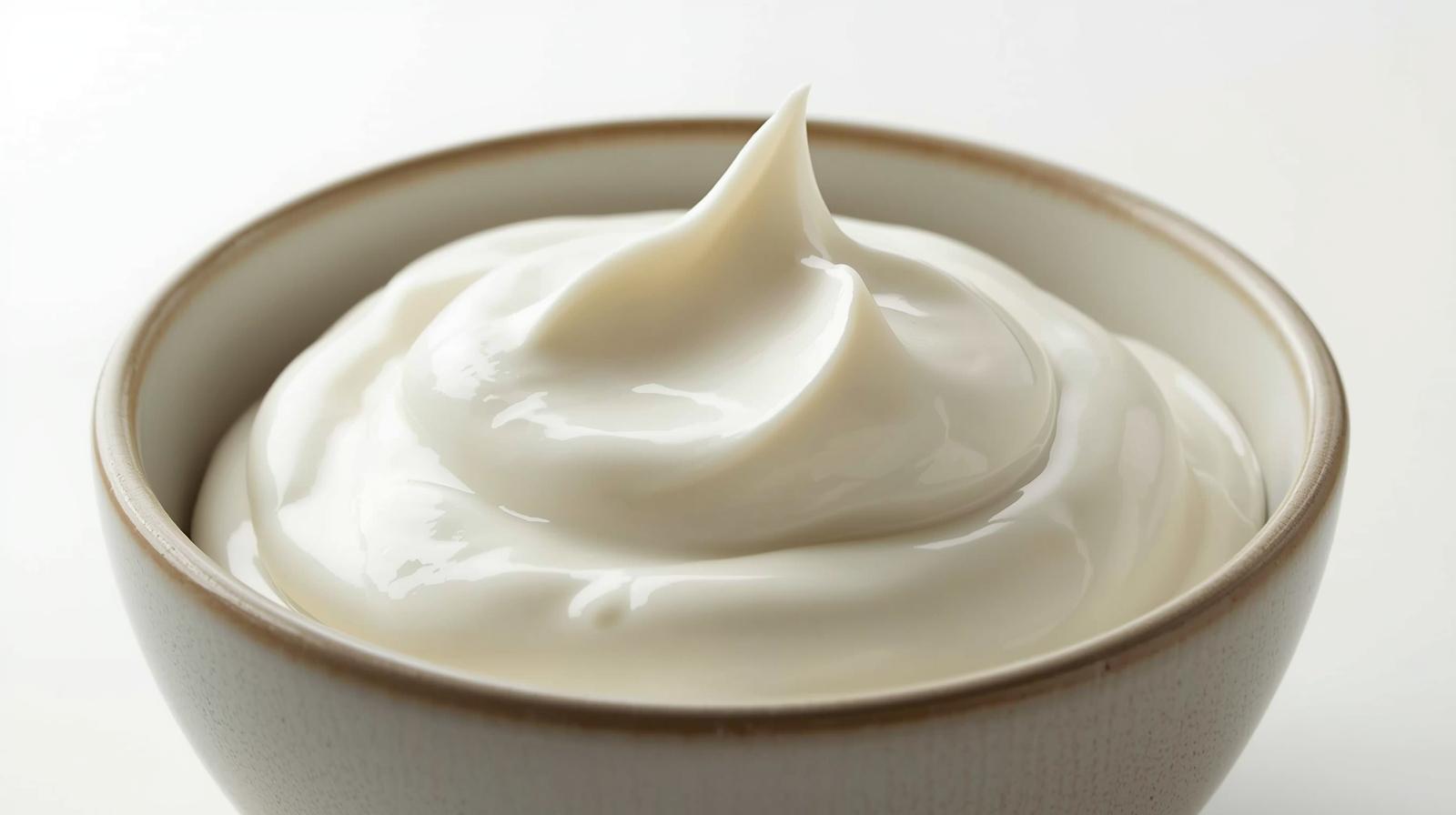
- Yogurt: Choose yogurt with live and active cultures.
- Kefir: A fermented milk drink similar to yogurt.
- Sauerkraut: Fermented cabbage.
- Kimchi: A spicy Korean dish made from fermented vegetables.
- Kombucha: A fermented tea drink.
- Miso: A fermented soybean paste.
- Tempeh: A fermented soybean cake.
Prebiotic-Rich Foods:
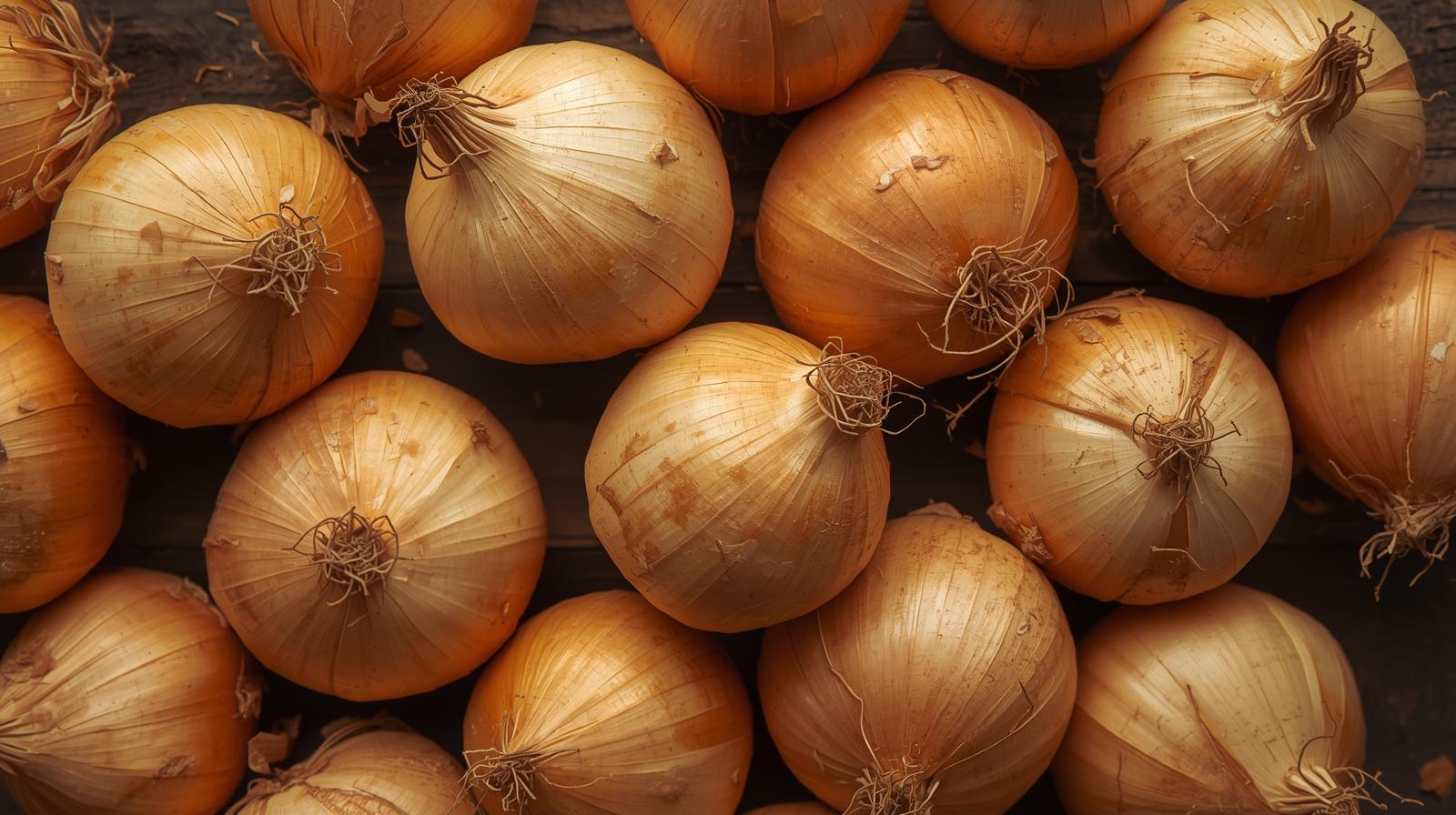
- Onions: A versatile vegetable that adds flavor to many dishes.
- Garlic: Known for its pungent flavor and health benefits.
- Asparagus: A spring vegetable rich in fiber and nutrients.
- Bananas: A convenient and portable fruit.
- Oats: A whole grain that's high in fiber.
- Apples: A good source of pectin, a type of prebiotic fiber.
- Barley: Another whole grain rich in fiber.
- Flaxseeds: A good source of fiber and omega-3 fatty acids.
- Chicory Root: Often used as a coffee substitute or added to fiber supplements.
- Jerusalem Artichokes: A root vegetable with a nutty flavor.
Tips for Incorporating Probiotics and Prebiotics into Your Diet
Here are some practical tips for incorporating probiotics and prebiotics into your daily routine:
- Start Slowly: If you're not used to consuming probiotics or prebiotics, start with small amounts and gradually increase your intake to avoid digestive discomfort.
- Choose a Variety of Foods: Include a variety of probiotic-rich and prebiotic-rich foods in your diet to ensure you're getting a diverse range of beneficial bacteria and fibers.
- Read Labels Carefully: When choosing probiotic supplements or foods, look for products that list the specific strains of bacteria and the number of colony-forming units (CFUs). The higher the CFU count, the more potent the product.
- Combine Probiotics and Prebiotics: Eating probiotics without prebiotics is like planting a garden without fertilizer. Make sure you're consuming both to support a healthy gut microbiome.
- Consider Your Individual Needs: If you have specific health concerns, consult with a healthcare professional or registered dietitian to determine the best probiotic strains and prebiotic sources for you.
- Be Mindful of Sugar Intake: Some probiotic-rich foods, such as yogurt and kombucha, can be high in sugar. Choose unsweetened or low-sugar options whenever possible.
- Store Probiotics Properly: Probiotic supplements should be stored according to the manufacturer's instructions to ensure their viability.
- Cook Prebiotic-Rich Foods Lightly: Overcooking prebiotic-rich foods can reduce their prebiotic content. Aim for light cooking methods like steaming or sautéing.
- Stay Hydrated: Drinking plenty of water helps to support digestion and nutrient absorption, which can enhance the benefits of probiotics and prebiotics.
Conclusion
Probiotics and prebiotics are essential components of a healthy diet and play a crucial role in maintaining a thriving gut microbiome. By understanding the difference between these two and incorporating them into your daily routine, you can support your digestive health, immune function, mental well-being, and overall quality of life. Remember to start slowly, choose a variety of foods, and consult with a healthcare professional if you have any specific health concerns. Fuel your gut with the power of probiotics and prebiotics and unlock the potential for a healthier, happier you!