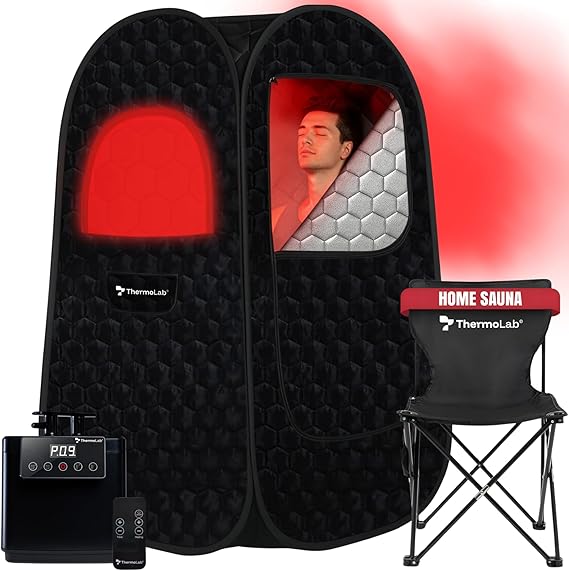
As we journey through life, prioritizing our health and well-being becomes increasingly important. Saunas, with their potential health benefits, have gained popularity among individuals over 50. However, it's crucial to approach sauna use with caution and awareness to ensure a safe and enjoyable experience. This guide provides a comprehensive overview of sauna use for those over 50, covering everything from getting started to essential precautions and the potential health advantages.
Disclaimer: This blog post is for informational purposes only and does not constitute medical advice. Consult with your healthcare provider before starting any new health regimen, including sauna use, especially if you have underlying health conditions.
Understanding Saunas: A Quick Overview
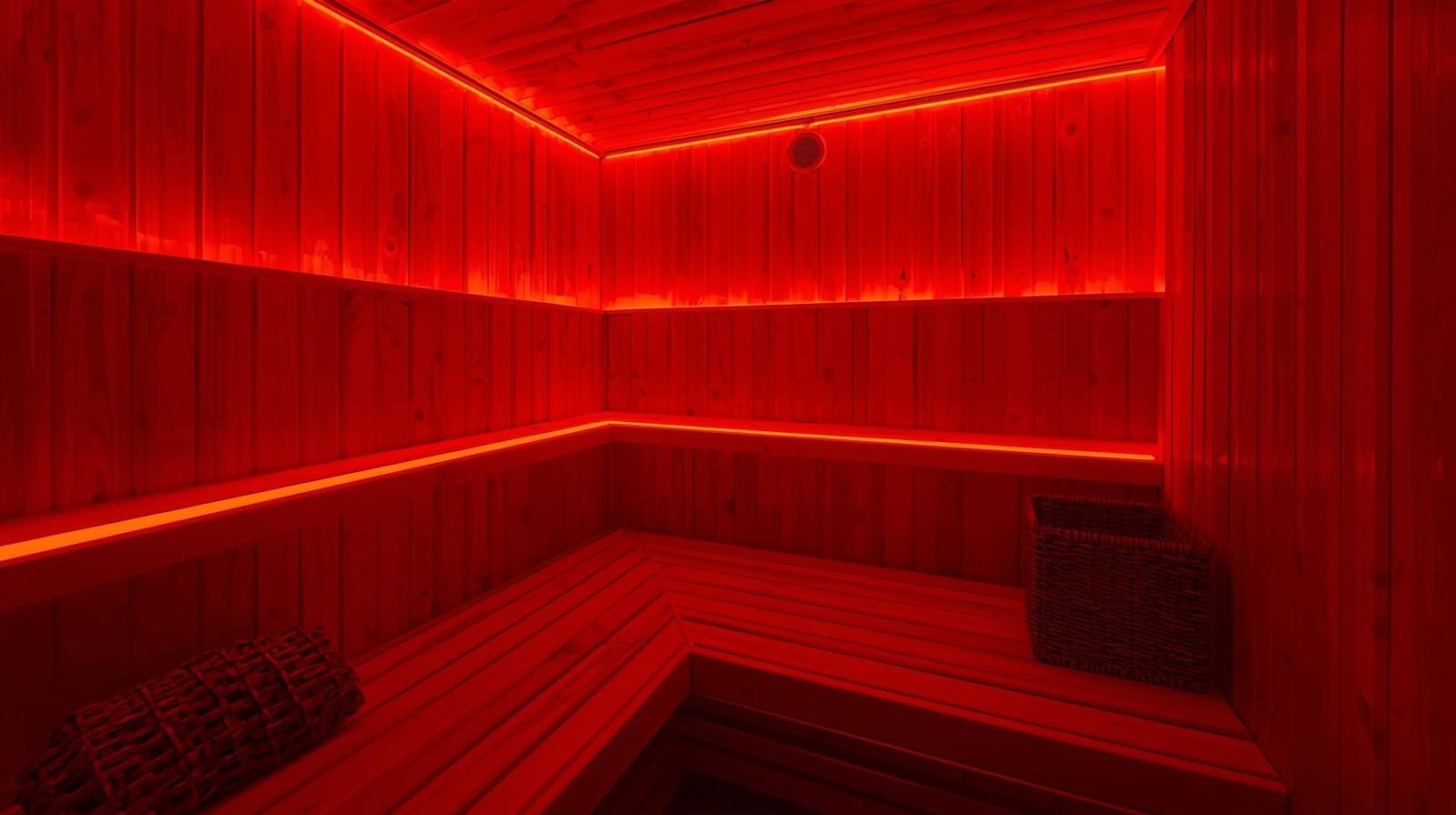
Saunas are heated rooms designed to induce sweating and relaxation. There are several types, each with its own characteristics:
- Traditional Saunas (Finnish Saunas): Heated by wood-burning stoves or electric heaters, these saunas typically reach temperatures between 150°F and 195°F (65°C and 90°C). Water is often splashed on hot rocks to create steam.
- Infrared Saunas: These saunas use infrared lamps to directly heat the body, often at lower temperatures (120°F to 140°F or 49°C to 60°C) than traditional saunas. Proponents claim deeper penetration and detoxification.
- Steam Rooms (Turkish Baths): While not technically saunas, steam rooms offer a similar experience with high humidity and temperatures around 110°F to 120°F (43°C to 49°C).
Getting Started: A Step-by-Step Guide
- Consult Your Doctor: Before using a sauna, especially if you have pre-existing health conditions (e.g., heart disease, high or low blood pressure, respiratory issues, skin conditions), consult with your physician. They can assess your suitability for sauna use and provide personalized recommendations.
- Start Slowly: Begin with short sessions of 5-10 minutes. Gradually increase the duration as your body adapts. Avoid staying in the sauna for longer than 15-20 minutes, especially in the initial stages.
- Hydrate Adequately: Drink plenty of water before, during, and after your sauna session to prevent dehydration. Sweating profusely can lead to fluid loss, which needs to be replenished.
- Dress Appropriately: Wear loose-fitting clothing or a swimsuit. Remove jewelry, as it can become hot and uncomfortable.
- Listen to Your Body: Pay attention to how you feel. If you experience dizziness, nausea, headache, or any discomfort, exit the sauna immediately. It's crucial not to push yourself beyond your limits.
- Cool Down Gradually: After your sauna session, cool down gradually. Avoid taking a cold shower immediately, as this can shock your system. A lukewarm shower or simply relaxing in a cool room is preferable.
- Avoid Alcohol and Medications: Refrain from consuming alcohol or taking medications that can affect blood pressure or heart rate before or during sauna use. These substances can increase the risk of adverse effects.
Precautions and Safety Tips for Over 50s
- Cardiovascular Health: Individuals with heart conditions should exercise extreme caution. Saunas can raise heart rate and lower blood pressure, potentially straining the cardiovascular system. Always consult your cardiologist before using a sauna.
- Blood Pressure: Be mindful of your blood pressure. Saunas can cause fluctuations, so monitor your blood pressure regularly, especially if you have hypertension or hypotension.
- Medications: Certain medications can interact with sauna use. Diuretics, for example, can increase the risk of dehydration. Discuss your medications with your doctor to identify any potential risks.
- Skin Conditions: If you have skin conditions like eczema or psoriasis, sauna use may exacerbate symptoms. Consult your dermatologist for guidance.
- Balance: Due to changes in blood pressure, balance may be affected. Take care when walking or standing after a sauna session.
- Avoid Prolonged Exposure: Limit your time in the sauna to avoid overheating and dehydration. As we age, our bodies may become less efficient at regulating temperature.
- Supervision: If possible, use a sauna with someone else present, especially when starting. This can provide assistance if you experience any adverse effects.

Potential Health Benefits of Sauna Use
While more research is needed, studies suggest several potential health benefits associated with regular sauna use:
- Cardiovascular Health: Some studies indicate that regular sauna use may improve cardiovascular function, lower blood pressure, and reduce the risk of heart disease. However, this is not a substitute for traditional medical treatments.
- Pain Relief: Sauna use may help alleviate muscle soreness, joint pain, and arthritis symptoms. The heat can relax muscles and improve circulation.
- Stress Reduction: Saunas promote relaxation and can reduce stress hormones like cortisol. This can improve mood and promote a sense of well-being.
- Improved Sleep: Some individuals find that sauna use can improve sleep quality. The relaxation induced by sauna sessions may help promote restful sleep.
- Detoxification: Sweating helps eliminate toxins from the body. Saunas can promote sweating and potentially aid in detoxification. However, the primary organs for detoxification are the liver and kidneys.
- Skin Health: Saunas can improve circulation, which may benefit skin health. However, individuals with certain skin conditions should exercise caution.
Traditional Sauna Advantages:
- High heat and humidity.
- Can promote intense sweating.
- A more social experience (depending on the sauna).
- Well-established history and cultural significance.
Infrared Sauna Advantages:
- Lower temperatures, potentially more tolerable.
- Direct heat penetration.
- Easier to install in a home setting.
- Less humidity, which some prefer.
Choosing the Right Sauna Type
The best type of sauna for you depends on your individual preferences and health considerations.
- Traditional Saunas: Offer a classic sauna experience with high heat and humidity. They may be more suitable for individuals who enjoy intense sweating and higher temperatures.
- Infrared Saunas: Provide a gentler experience with lower temperatures and direct heat penetration. They may be a better option for individuals sensitive to heat or humidity.
- Consider factors such as cost, space availability, and ease of use when making your decision. Many gyms and spas offer both traditional and infrared saunas, allowing you to try both before committing to a purchase.
.jpg)
Incorporating Sauna Use Into Your Wellness Routine
Sauna use can be a valuable addition to your overall wellness routine. Here are some tips for incorporating it effectively:
- Consistency: Aim for regular sauna sessions, ideally 2-3 times per week, to maximize potential benefits.
- Combine with Exercise: Sauna use can complement your exercise routine by promoting muscle relaxation and recovery.
- Mindfulness: Use sauna sessions as an opportunity to practice mindfulness and relaxation techniques. Focus on your breath and body sensations.
- Listen to Your Body: Pay attention to how you feel and adjust your sauna use accordingly. Don't hesitate to reduce the duration or frequency if needed.
Summary
Saunas can offer a range of potential health benefits for individuals over 50, from cardiovascular improvements to stress reduction and pain relief. However, it's crucial to approach sauna use with caution and awareness. By consulting your doctor, starting slowly, staying hydrated, and listening to your body, you can enjoy the potential advantages of saunas while minimizing the risks. Remember to prioritize safety and tailor your sauna routine to your individual needs and preferences. By following these guidelines, you can unlock the potential of saunas to enhance your well-being and promote a healthier, more vibrant life after 50.
Remember: Always consult with your healthcare provider before starting any new health regimen, including sauna use.
NOTE:
This post includes affiliate links to Amazon. If you choose to buy through these links, I may earn a small commission, which helps support this blog—thank you.
Recommended Home Sauna: