Introduction: Staying Vibrant After 50
As we gracefully age, our bodies undergo various changes that can affect our nutritional needs. While a balanced diet remains the cornerstone of good health, certain supplements can play a crucial role in bridging nutritional gaps and supporting overall well-being for individuals over 50. This guide explores essential supplements that can help you maintain vitality, energy, and optimal health in your golden years.
Disclaimer: Before starting any new supplement regimen, consult with your healthcare provider to ensure it's appropriate for your individual health conditions and medications.
Overview of Common Deficiencies in the Over 50s
Several factors contribute to increased risk of nutrient deficiencies in older adults:
- Reduced Nutrient Absorption: Age-related changes in the digestive system can impair the absorption of vital nutrients from food.
- Decreased Appetite and Food Intake: Health issues, medications, or social isolation can lead to reduced appetite and decreased food intake, resulting in inadequate nutrient consumption.
- Chronic Conditions: Certain medical conditions and their treatments can interfere with nutrient absorption or increase nutrient requirements.
- Medication Interactions: Many medications commonly prescribed to older adults can affect nutrient metabolism.
Common deficiencies among people over 50 include:
- Vitamin D: Essential for bone health, immune function, and muscle strength.
- Calcium: Crucial for bone density and preventing osteoporosis.
- Vitamin B12: Important for nerve function, red blood cell production, and cognitive health.
- Omega-3 Fatty Acids: Beneficial for heart health, brain function, and reducing inflammation.
- Magnesium: Involved in numerous bodily functions, including muscle and nerve function, blood sugar control, and blood pressure regulation.
Detailed Supplement Recommendations
Let's delve into the key supplements that can benefit people over 50, exploring their benefits, scientific evidence, and practical advice for incorporating them into your routine.
Vitamin D:
The Sunshine Vitamin
Benefits:
- Bone Health: Vitamin D aids calcium absorption, crucial for maintaining bone density and preventing osteoporosis and fractures.
- Immune Function: Supports a healthy immune system, reducing susceptibility to infections.
- Muscle Strength: Helps maintain muscle mass and strength, reducing the risk of falls.
- Mood Regulation: May play a role in mood regulation and reducing symptoms of depression.
Scientific Evidence:
Numerous studies have demonstrated the benefits of vitamin D supplementation in older adults. Research suggests that adequate vitamin D levels can reduce the risk of fractures, improve muscle strength, and enhance immune function. A meta-analysis published in The Lancet found that vitamin D supplementation reduced the risk of hip fractures by 18% in older adults.
Practical Advice:
- Recommended Dosage: Most adults over 50 need 600-800 IU (International Units) of vitamin D daily. However, some individuals may require higher doses, especially if they have limited sun exposure or are deficient.
- Sources: Vitamin D is found in fortified milk, fatty fish (salmon, tuna, mackerel), and egg yolks. Sunlight exposure is also a natural source, but production decreases with age.
- Supplement Forms: Vitamin D3 (cholecalciferol) is generally considered more effective than vitamin D2 (ergocalciferol).
- Blood Testing: Have your vitamin D levels checked by your doctor to determine the appropriate dosage for your needs.
.jpg)
Calcium:
Building Strong Bones
Benefits:
- Bone Density: Calcium is essential for maintaining bone density and preventing osteoporosis.
- Muscle Function: Plays a role in muscle contraction and nerve transmission.
- Heart Health: Helps regulate blood pressure and heart rhythm.
Scientific Evidence:
Calcium supplementation has been shown to increase bone mineral density and reduce the risk of fractures, particularly when combined with vitamin D. A study published in the New England Journal of Medicine found that calcium and vitamin D supplementation significantly reduced the risk of hip fractures in elderly women.
Practical Advice:
- Recommended Dosage: Adults over 50 should aim for 1000-1200 mg of calcium daily.
- Sources: Dairy products (milk, yogurt, cheese), leafy green vegetables (kale, spinach), fortified foods (cereals, plant-based milks).
- Supplement Forms: Calcium carbonate and calcium citrate are common forms. Calcium citrate is generally better absorbed, especially if you have low stomach acid.
- Timing: Take calcium supplements with food to improve absorption. Avoid taking it at the same time as iron supplements.
- Considerations: High doses of calcium supplements may increase the risk of kidney stones and cardiovascular problems in some individuals. Consult with your doctor to determine the appropriate dosage for your needs.
Vitamin B12:
Fueling Nerve Function and Energy
Benefits:
- Nerve Function: Essential for maintaining healthy nerve function and preventing neuropathy.
- Red Blood Cell Production: Helps prevent anemia by supporting red blood cell formation.
- Cognitive Health: May improve cognitive function and reduce the risk of cognitive decline.
- Energy Levels: Supports energy production and reduces fatigue.
Scientific Evidence:
Vitamin B12 deficiency is common in older adults due to reduced stomach acid production, which impairs B12 absorption. Studies have shown that B12 supplementation can improve cognitive function, reduce the risk of anemia, and alleviate symptoms of neuropathy. A study published in the American Journal of Clinical Nutrition found that B12 supplementation improved cognitive performance in older adults with mild cognitive impairment.
Practical Advice:
- Recommended Dosage: Adults over 50 should aim for 2.4 mcg of vitamin B12 daily. However, individuals with B12 deficiency may require higher doses.
- Sources: Animal products (meat, poultry, fish, eggs, dairy). Fortified foods (cereals, plant-based milks).
- Supplement Forms: Cyanocobalamin and methylcobalamin are common forms. Methylcobalamin is often preferred due to its higher bioavailability.
- Absorption: If you have trouble absorbing B12 from food, consider taking a sublingual (under the tongue) or injectable form.
Omega-3 Fatty Acids:
Heart and Brain Boosters
Benefits:
- Heart Health: Reduce triglyceride levels, lower blood pressure, and reduce the risk of heart disease.
- Brain Function: Support cognitive function, memory, and mood.
- Inflammation: Reduce inflammation throughout the body, alleviating symptoms of arthritis and other inflammatory conditions.
- Eye Health: May reduce the risk of age-related macular degeneration.
Scientific Evidence:
Numerous studies have demonstrated the benefits of omega-3 fatty acids for heart health, brain function, and inflammation. Research suggests that omega-3 supplementation can reduce the risk of heart attack and stroke, improve cognitive performance, and alleviate symptoms of rheumatoid arthritis. A meta-analysis published in the Journal of the American Medical Association found that omega-3 supplementation reduced the risk of cardiovascular events by 9%.
Practical Advice:
- Recommended Dosage: Aim for 1-2 grams of EPA and DHA (the two main types of omega-3 fatty acids) daily.
- Sources: Fatty fish (salmon, tuna, mackerel, sardines), flaxseeds, chia seeds, walnuts.
- Supplement Forms: Fish oil, krill oil, algal oil (a vegetarian source).
- Quality: Choose a high-quality supplement from a reputable brand to ensure purity and potency.
- Considerations: Omega-3 supplements may interact with blood-thinning medications. Consult with your doctor if you are taking anticoagulants.

Magnesium:
The Mighty Mineral
Benefits:
- Muscle and Nerve Function: Supports muscle relaxation, nerve transmission, and prevents muscle cramps.
- Blood Sugar Control: Helps regulate blood sugar levels and improve insulin sensitivity.
- Blood Pressure Regulation: Helps lower blood pressure.
- Bone Health: Contributes to bone density and reduces the risk of osteoporosis.
- Sleep Quality: May improve sleep quality and reduce insomnia.
Scientific Evidence:
Magnesium deficiency is common in older adults due to decreased absorption and increased excretion. Studies have shown that magnesium supplementation can improve blood sugar control, lower blood pressure, and reduce the risk of cardiovascular disease. A study published in the Journal of the American College of Nutrition found that magnesium supplementation improved insulin sensitivity in individuals with type 2 diabetes.
Practical Advice:
- Recommended Dosage: Adults over 50 should aim for 400-420 mg of magnesium daily for men and 310-320 mg for women.
- Sources: Leafy green vegetables (spinach, kale), nuts, seeds, whole grains, beans.
- Supplement Forms: Magnesium citrate, magnesium oxide, magnesium glycinate. Magnesium glycinate is generally better tolerated and absorbed.
- Considerations: High doses of magnesium supplements may cause diarrhea. Start with a low dose and gradually increase as tolerated.
Probiotics:
Gut Health Allies
Benefits:
- Digestive Health: Improve digestion, reduce bloating, and alleviate symptoms of irritable bowel syndrome (IBS).
- Immune Function: Strengthen the immune system by promoting a healthy gut microbiome.
- Nutrient Absorption: Enhance nutrient absorption by improving gut health.
- Mental Health: May improve mood and reduce anxiety by influencing the gut-brain axis.
Scientific Evidence:
The gut microbiome plays a crucial role in overall health, and its composition changes with age. Probiotic supplementation can help restore a healthy balance of gut bacteria, improving digestion, immune function, and mental well-being. A meta-analysis published in The Lancet found that probiotic supplementation reduced the risk of antibiotic-associated diarrhea in older adults.
Practical Advice:
- Recommended Dosage: Follow the instructions on the product label.
- Sources: Fermented foods (yogurt, kefir, sauerkraut, kimchi).
- Supplement Forms: Choose a probiotic supplement with a variety of strains (e.g., Lactobacillus, Bifidobacterium).
- Timing: Take probiotics on an empty stomach or with food, depending on the product instructions.
- Considerations: Probiotics may cause mild digestive upset in some individuals. Start with a low dose and gradually increase as tolerated.
Other Supplements to Consider:
While the above supplements are generally considered essential for people over 50, other supplements may offer additional benefits depending on individual needs and health conditions. These include:
- Coenzyme Q10 (CoQ10): Supports heart health and energy production. May be beneficial for individuals taking statins.
- Creatine: Can help maintain muscle mass and strength
- Fiber: Promotes digestive health, regulates blood sugar levels, and reduces the risk of heart disease.
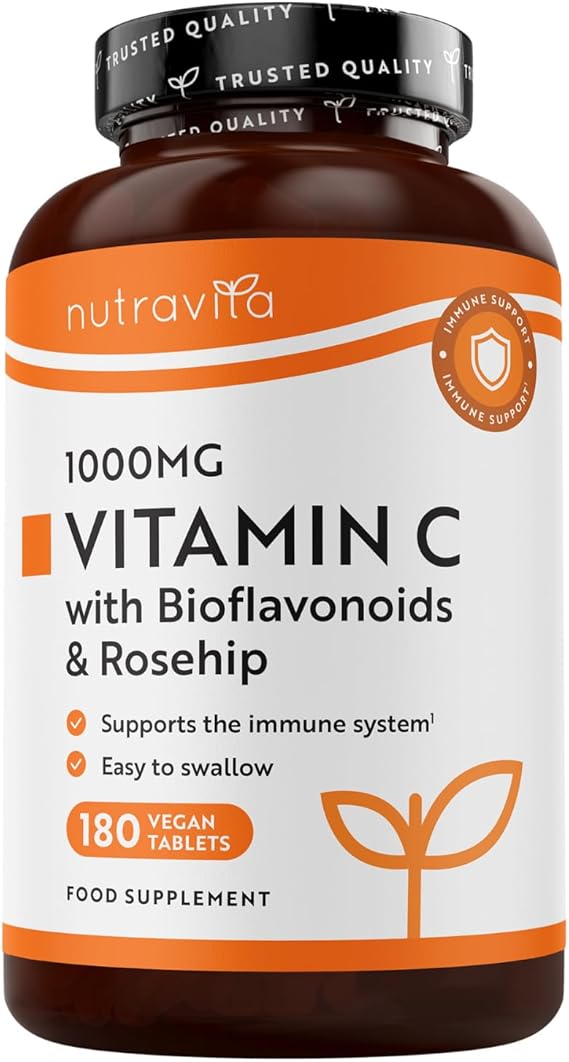
- Vitamin C: Supports immune function and collagen production.
- Zinc: Supports immune function and wound healing.
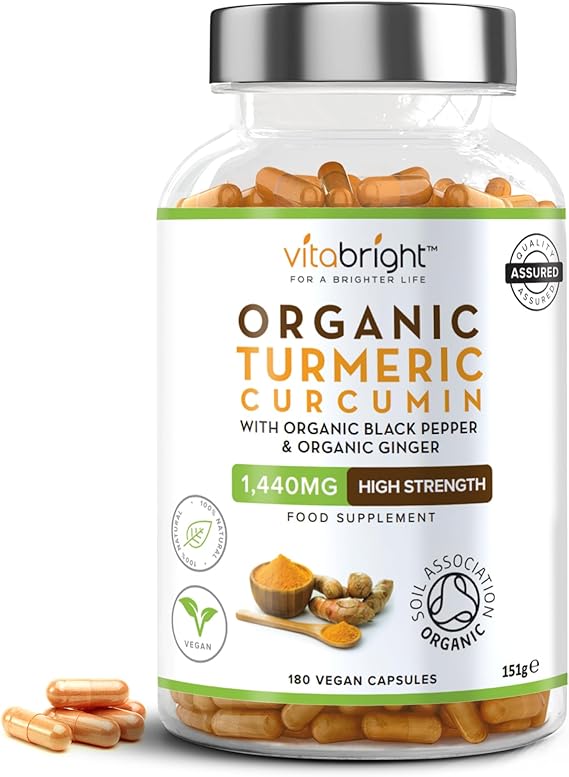
- Turmeric/Curcumin: Provides anti-inflammatory and antioxidant benefits.
- Collagen: Supports joint health, skin elasticity, and bone strength.

Safety Considerations
It's essential to prioritize safety when taking supplements, especially as you age. Here are some important considerations:
- Consult with Your Doctor: Before starting any new supplement regimen, consult with your healthcare provider to ensure it's appropriate for your individual health conditions and medications. Supplements can interact with medications and may not be suitable for everyone.
- Choose Reputable Brands: Select high-quality supplements from reputable brands that undergo third-party testing to ensure purity and potency.
- Follow Dosage Recommendations: Adhere to the recommended dosage on the product label. Taking excessive amounts of certain supplements can be harmful.
- Be Aware of Interactions: Be aware of potential interactions between supplements and medications. Inform your doctor and pharmacist about all the supplements you are taking.
- Monitor for Side Effects: Monitor for any side effects and discontinue use if you experience adverse reactions.
- Store Properly: Store supplements in a cool, dry place, away from direct sunlight and moisture.
- Report Adverse Events: Report any adverse events to your healthcare provider and the FDA's MedWatch program.
Conclusion: Empowering Your Health Journey After 50
Maintaining optimal health after 50 requires a holistic approach that encompasses a balanced diet, regular exercise, stress management, and, when necessary, targeted supplementation. By understanding the common deficiencies and benefits of key supplements, you can make informed decisions to support your overall well-being and thrive in your golden years.
Actionable Tips:
- Assess Your Needs: Consult with your healthcare provider to assess your individual nutritional needs and identify any potential deficiencies.
- Prioritize a Balanced Diet: Focus on consuming a variety of nutrient-rich foods from all food groups.
- Incorporate Key Supplements: Consider incorporating essential supplements like vitamin D, calcium, B12, omega-3 fatty acids, and magnesium into your routine, based on your doctor's recommendations.
- Monitor Your Progress: Regularly monitor your health and adjust your supplement regimen as needed.
- Embrace a Healthy Lifestyle: Combine supplementation with a healthy lifestyle that includes regular exercise, stress management, and adequate sleep.
By taking proactive steps to support your health, you can enjoy a vibrant, fulfilling life after 50 and beyond.
Although the best method of getting enough Magnesium is through food, this can be difficult (for many reasons) in present day times. Personally, I always take a Magnesium supplement, however, the particular one I choose is Magnesium Glycinate. This one is particularly good for promoting sleep due to its calming effect on the nervous system. After 18 months of experimenting, this is the brand I choose.
NOTE:
This post includes affiliate links to Amazon. If you choose to buy through these links, I may earn a small commission, which helps support this blog—thank you.
These are the supplements I would recommend: