Introduction
Ageing is often discussed in terms of physical changes – wrinkles, grey hair, and decreased mobility. However, the emotional impact of ageing is just as significant, yet often overlooked. This blog post aims to shed light on the emotional aspects of growing older, encouraging open conversations and offering supportive advice for navigating this important stage of life.
For those over 50, acknowledging and understanding these emotional shifts is crucial for maintaining overall well-being. It's time to break the stigma surrounding discussions about ageing and mental health, and create a supportive community where everyone feels comfortable sharing their experiences.
Understanding the Emotional Landscape of Ageing
The emotional landscape of ageing is complex and multifaceted, influenced by a variety of factors. Here are some key emotional aspects commonly experienced by individuals over 50:
- Loss and Grief: As we age, we inevitably experience loss – the loss of loved ones, friends, colleagues, and even our own abilities. Grief can manifest in many ways, including sadness, anger, and disbelief. It's important to acknowledge these feelings and allow yourself time to heal.
- Changes in Identity and Purpose: Retirement, children leaving home, and changes in physical abilities can lead to a sense of lost identity and purpose. Individuals may struggle with redefining themselves and finding new sources of meaning and fulfillment.
- Loneliness and Isolation: Social networks may shrink as people move away, pass away, or become less active. This can lead to feelings of loneliness and isolation, especially for those living alone or experiencing mobility issues.
- Anxiety and Fear: Concerns about health, finances, and the future can trigger anxiety and fear. The uncertainty surrounding ageing can be overwhelming, leading to feelings of vulnerability and insecurity.
- Depression: Depression is not a normal part of ageing, but it is a common mental health condition that can affect older adults. Symptoms may include persistent sadness, loss of interest in activities, changes in appetite or sleep, and fatigue.
- Body Image and Self-Esteem: Physical changes associated with ageing can impact body image and self-esteem. Wrinkles, age spots, and weight gain can lead to feelings of self-consciousness and dissatisfaction with one's appearance.
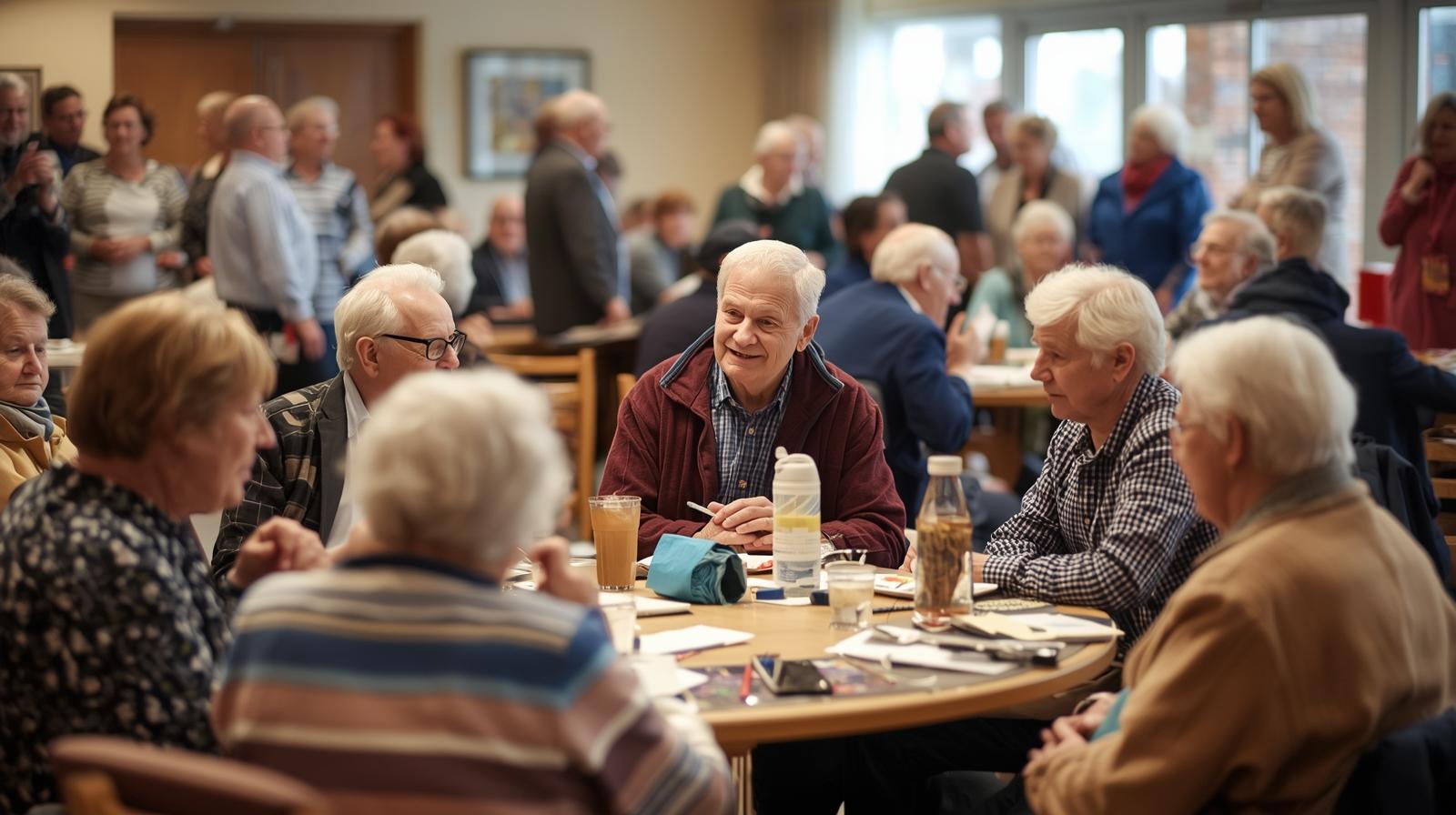
Why Talking About It Matters
One of the biggest obstacles to addressing the emotional impact of ageing is the stigma surrounding mental health and ageing. Many people believe that feeling down or anxious is just a normal part of getting older, and that seeking help is a sign of weakness. This couldn't be further from the truth.
Talking about your feelings is crucial for several reasons:
- Reduces Isolation: Sharing your experiences with others can help you feel less alone and more connected. Knowing that others are going through similar challenges can be incredibly validating and comforting.
- Promotes Understanding: Open conversations can help to dispel myths and misconceptions about ageing and mental health. By sharing your stories, you can educate others and raise awareness about the emotional realities of growing older.
- Encourages Help-Seeking: When we talk openly about our struggles, we create a safe space for others to seek help. Knowing that it's okay to ask for support can make a huge difference in someone's life.
- Improves Emotional Well-being: Talking about your feelings can be therapeutic in itself. It allows you to process your emotions, gain perspective, and develop coping strategies. Suppressing your feelings, on the other hand, can lead to increased stress, anxiety, and depression.
- Strengthens Relationships: Sharing your vulnerabilities with loved ones can deepen your relationships and create a stronger sense of intimacy and connection.
Practical Tips for Nurturing Emotional Well-being
While acknowledging the emotional challenges of ageing is important, it's equally important to take proactive steps to nurture your emotional well-being. Here are some practical tips to help you navigate the emotional landscape of growing older:
- Acknowledge and Validate Your Feelings: Don't dismiss or minimize your emotions. Allow yourself to feel whatever you're feeling, whether it's sadness, anger, fear, or joy. Acknowledge that your feelings are valid and worthy of attention.
- Practice Self-Compassion: Treat yourself with the same kindness and understanding that you would offer a friend. Recognize that everyone makes mistakes and experiences difficult times. Forgive yourself for your imperfections and focus on your strengths.
- Stay Connected: Make an effort to maintain social connections with friends, family, and community members. Join a club, volunteer, or take a class. Nurture your relationships and seek out opportunities for social interaction.
- Engage in Meaningful Activities: Find activities that bring you joy and a sense of purpose. Pursue hobbies, learn new skills, or engage in creative endeavors. Focus on activities that make you feel engaged, energized, and fulfilled.
- Practice Mindfulness: Mindfulness involves paying attention to the present moment without judgment. This can help you to reduce stress, increase self-awareness, and cultivate a greater sense of inner peace. Try meditation, deep breathing exercises, or simply paying attention to your senses.
- Prioritize Physical Health: Physical and emotional health are closely linked. Make sure to get regular exercise, eat a healthy diet, and get enough sleep. Taking care of your physical well-being can have a significant positive impact on your emotional state.
- Seek Professional Help: If you're struggling with persistent feelings of sadness, anxiety, or hopelessness, don't hesitate to seek professional help. A therapist or counselor can provide support, guidance, and evidence-based treatments to help you manage your emotions and improve your mental well-being.

Building a Supportive Community
Creating a supportive community is essential for addressing the emotional impact of ageing. Here are some ways to foster a culture of openness and support:
- Start Conversations: Initiate conversations with friends, family, and colleagues about ageing and mental health. Share your own experiences and encourage others to do the same.
- Listen Empathetically: When someone shares their feelings with you, listen without judgment or interruption. Offer support and validation, and let them know that you're there for them.
- Challenge Stigma: Challenge negative stereotypes and misconceptions about ageing and mental health. Speak out against ageism and promote positive attitudes towards older adults.
- Advocate for Resources: Advocate for increased funding and resources for mental health services for older adults. Support organizations that provide support and advocacy for seniors.
- Create Opportunities for Connection: Organize social events, support groups, or workshops for older adults to connect with one another. Create opportunities for people to share their experiences and build supportive relationships.
- Be a Role Model: Demonstrate a positive and proactive approach to ageing. Embrace new experiences, pursue your passions, and prioritize your emotional well-being. By being a role model, you can inspire others to do the same.
Conclusion
The emotional impact of ageing is a significant aspect of growing older. It is imperative that those over 50, and wider society are open to addressing it and providing support. By acknowledging and validating your feelings, seeking support, and building a supportive community, you can navigate the emotional landscape of ageing with resilience and grace. Remember, you are not alone, and it's okay to talk about it.