The kidneys are remarkable organs that quietly sustain life by filtering the blood, balancing fluids, and maintaining internal harmony. From a holistic and natural perspective, the kidneys are more than just physical filters—they are energetic centers of vitality, resilience, and emotional balance. In traditional systems of medicine such as Ayurveda, Traditional Chinese Medicine (TCM), and homeopathy, the kidneys are seen as the foundation of life force, governing longevity, strength, and emotional stability. Understanding how to care for them naturally can profoundly influence overall health and wellbeing.
The Function of the Kidneys
Each person has two kidneys, located on either side of the spine just below the rib cage. These bean-shaped organs perform several essential functions:
- Filtration of Blood: The kidneys filter around 180 liters of blood daily, removing waste products, toxins, and excess fluids to form urine.
- Regulation of Electrolytes: They maintain the balance of minerals such as sodium, potassium, calcium, and phosphorus, which are vital for nerve and muscle function.
- Acid-Base Balance: The kidneys regulate the body’s pH, ensuring that blood remains slightly alkaline.
- Blood Pressure Control: They produce renin, an enzyme that helps regulate blood pressure.
- Red Blood Cell Production: The kidneys release erythropoietin, a hormone that stimulates the bone marrow to produce red blood cells.
- Vitamin D Activation: They convert vitamin D into its active form, which supports calcium absorption and bone health.
From a holistic viewpoint, the kidneys are also linked to emotional and energetic balance. In TCM, they are associated with the element of water and the emotion of fear. When kidney energy is strong, there is courage, willpower, and vitality. When it is weak, fatigue, anxiety, and insecurity may arise.
Foods That Support Kidney Health
Nutrition plays a central role in maintaining kidney vitality. A diet rich in whole, natural foods helps reduce the burden on the kidneys while providing the nutrients they need to function optimally.
1. Hydration and Pure Water
Clean, mineral-rich water is the kidneys’ best ally. Adequate hydration helps flush toxins and prevent the formation of kidney stones. Herbal infusions such as nettle leaf, dandelion root, and corn silk tea can gently support kidney cleansing.
2. Fruits and Vegetables
Fresh produce provides antioxidants, fiber, and hydration. Some particularly kidney-friendly options include:
- Cucumbers and celery: Natural diuretics that help flush waste.
- Berries (especially blueberries and cranberries): Rich in antioxidants that protect kidney tissue from oxidative stress.
- Watermelon: Hydrating and cleansing, supporting urinary flow.
- Leafy greens (in moderation): Provide magnesium and chlorophyll, though those with kidney disease should monitor oxalate intake.
3. Healthy Fats
Omega-3 fatty acids from flaxseeds, chia seeds, and walnuts reduce inflammation and support circulation, easing the kidneys’ workload.
4. Herbs and Spices
Certain herbs have long been used to strengthen and protect the kidneys:
- Nettle leaf: Nourishes and tones the urinary system.
- Dandelion root: Supports detoxification and liver-kidney synergy.
- Parsley: Acts as a gentle diuretic and cleanser.
- Turmeric: Reduces inflammation and oxidative damage.
- Astragalus: A traditional Chinese herb known to strengthen kidney energy and immunity.
5. Whole Grains and Legumes
Moderate amounts of quinoa, millet, and lentils provide plant-based protein and fiber without overburdening the kidneys.
6. Mineral-Rich Foods
Sea vegetables, pumpkin seeds, and dark leafy greens (in balance) provide magnesium, zinc, and trace minerals essential for kidney function.

Toxins and Actions That Damage the Kidneys
Modern lifestyles expose the kidneys to numerous stressors. Over time, these can impair their ability to filter and detoxify effectively.
1. Dehydration
Chronic dehydration concentrates toxins in the blood, forcing the kidneys to work harder. Over time, this can lead to kidney stones and reduced function.
2. Excessive Salt and Processed Foods
High sodium intake increases blood pressure and fluid retention, straining the kidneys. Processed foods often contain hidden salts, preservatives, and additives that burden the system.
3. Refined Sugar and Artificial Sweeteners
Sugar contributes to insulin resistance and inflammation, both of which damage kidney tissue. Artificial sweeteners can alter kidney filtration and metabolic balance.
4. Overuse of Medications
Painkillers such as NSAIDs (ibuprofen, naproxen) and certain antibiotics can harm kidney cells when used excessively or long-term.
5. Alcohol and Caffeine
Both act as diuretics, leading to dehydration and electrolyte imbalance. Chronic alcohol use can also cause oxidative stress and inflammation in kidney tissue.
6. Environmental Toxins
Exposure to heavy metals (lead, mercury, cadmium), pesticides, and industrial chemicals can accumulate in the kidneys, impairing their detoxification capacity.
7. High-Protein Diets
While protein is essential, excessive intake—especially from animal sources—can overwork the kidneys, leading to increased waste production and acid load.
8. Emotional Stress
From a holistic perspective, chronic fear, anxiety, and exhaustion deplete kidney energy. Emotional stress can manifest physically as adrenal fatigue and kidney weakness.
Repairing and Rejuvenating the Kidneys Naturally
The kidneys have a remarkable ability to heal when given the right conditions. A holistic approach to kidney repair focuses on rest, nourishment, detoxification, and emotional balance.
1. Gentle Detoxification
Supporting the body’s natural detox pathways helps reduce the kidneys’ workload. This includes:
- Drinking pure water and herbal teas.
- Eating light, plant-based meals.
- Avoiding alcohol, caffeine, and processed foods.
- Incorporating gentle sweating through sauna or exercise.
2. Rest and Restoration
Adequate sleep and relaxation are essential for kidney repair. The kidneys regenerate most effectively during deep rest, particularly between 10 p.m. and 2 a.m., when the body’s detox organs are most active.
3. Homeopathic Support
Homeopathy offers remedies that can help restore kidney balance:
- Berberis vulgaris: For kidney stones and sharp pains.
- Cantharis: For burning urination and bladder irritation.
- Solidago virgaurea: Supports kidney detoxification and urinary flow.
- Apis mellifica: For swelling and fluid retention.
- Lycopodium: For sluggish kidney function and digestive weakness.
These remedies should be selected based on individual symptoms and constitution, ideally under the guidance of a qualified homeopath.
4. Herbal Tonics
Herbal medicine provides gentle yet powerful support for kidney repair:
- Rehmannia root: Used in TCM to nourish kidney yin and restore vitality.
- Cordyceps mushroom: Enhances kidney energy and stamina.
- Schisandra berry: Protects against oxidative stress and supports adrenal-kidney balance.
- Horsetail: Rich in silica, supporting tissue repair and urinary health.
5. Nutrient Replenishment
Key nutrients for kidney repair include:
- Magnesium: Regulates blood pressure and reduces inflammation.
- Vitamin B6: Supports detoxification and prevents stone formation.
- Vitamin C: Acts as an antioxidant and immune booster.
- Omega-3 fatty acids: Reduce inflammation and improve circulation.
6. Balancing Emotions
Since the kidneys are linked to fear and willpower, emotional healing is vital. Practices such as meditation, breathwork, journaling, and energy healing can help release stored fear and restore inner calm.
7. Movement and Circulation
Gentle exercise such as yoga, tai chi, or walking enhances blood flow to the kidneys and supports lymphatic drainage. Specific yoga poses like the child’s pose, bridge pose, and spinal twists stimulate kidney energy and detoxification.
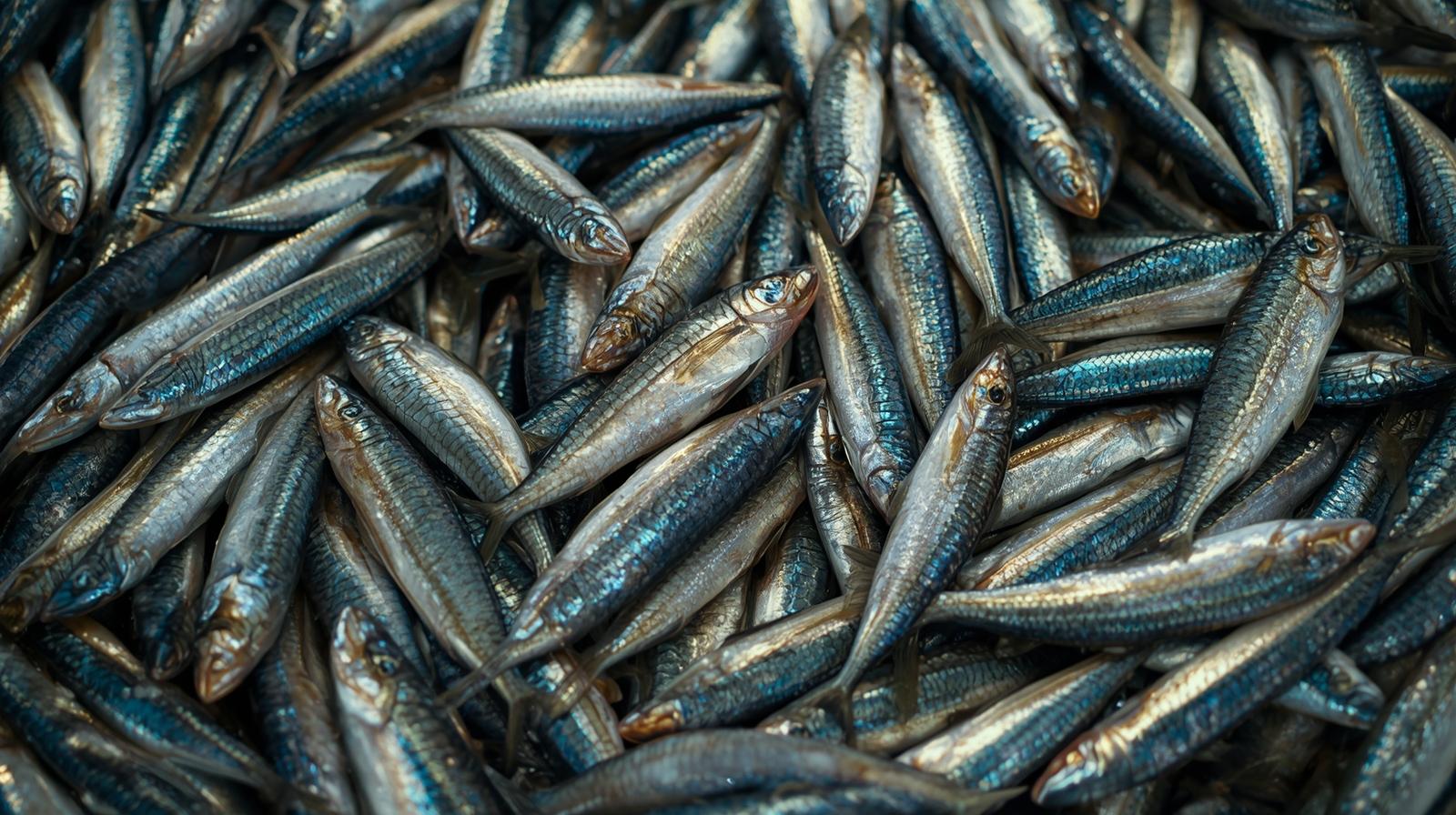
Feeding, Nourishing, and Protecting the Kidneys
Long-term kidney health depends on consistent nourishment and mindful living. The following practices help sustain kidney vitality and prevent future damage.
1. Adopt a Kidney-Friendly Diet
- Emphasize fresh, organic, plant-based foods.
- Limit processed foods, refined sugar, and excess salt.
- Include hydrating fruits and vegetables daily.
- Choose moderate portions of high-quality protein from plant or fish sources.
2. Stay Hydrated Mindfully
Drink water throughout the day, but avoid overhydration, which can dilute electrolytes. Herbal teas such as nettle, corn silk, and marshmallow root can be rotated for gentle support.
3. Support the Liver
The liver and kidneys work together in detoxification. Supporting liver health with foods like beets, artichokes, and milk thistle reduces the burden on the kidneys.
4. Maintain Healthy Blood Pressure and Blood Sugar
High blood pressure and diabetes are leading causes of kidney damage. A balanced diet, regular movement, and stress management help maintain healthy levels naturally.
5. Protect Against Environmental Toxins
Choose natural cleaning and personal care products, filter drinking water, and avoid exposure to heavy metals and pesticides whenever possible.
6. Strengthen Adrenal Health
The adrenal glands sit atop the kidneys and share a close energetic relationship. Chronic stress depletes both. Adaptogenic herbs such as ashwagandha, rhodiola, and holy basil can help restore balance.
7. Seasonal Kidney Care
In traditional medicine, winter is the season of the kidneys. During this time, it is beneficial to:
- Eat warming, nourishing foods like soups, stews, and root vegetables.
- Rest more and conserve energy.
- Practice grounding activities such as meditation and gentle stretching.
8. Energetic and Emotional Practices
Sound therapy, Reiki, and acupuncture can harmonize kidney energy. In TCM, the kidneys store “jing,” or essence, which governs vitality and longevity. Preserving jing through balanced living, rest, and mindful nourishment supports long-term health.

The Holistic View of Kidney Vitality
From a holistic perspective, the kidneys are not isolated organs but part of an intricate web of physical, emotional, and energetic systems. They reflect how well the body manages stress, fear, and life force. When kidney energy is strong, there is resilience, clarity, and groundedness. When it is weak, fatigue, fear, and imbalance may arise.
Caring for the kidneys naturally involves more than just diet—it is a lifestyle of balance, mindfulness, and respect for the body’s rhythms. It means listening to signs of fatigue, staying hydrated, eating clean foods, and nurturing emotional wellbeing.
Conclusion
The kidneys are silent guardians of health, tirelessly filtering, balancing, and protecting the body. From a holistic and natural standpoint, they represent the foundation of vitality and longevity. By understanding their functions, avoiding harmful substances, and embracing nourishing foods and practices, it is possible to restore and maintain kidney health naturally.
Through hydration, herbal support, homeopathic remedies, emotional healing, and mindful living, the kidneys can thrive. They remind us that true wellness arises from harmony—between body and mind, rest and activity, nourishment and release. Caring for the kidneys is, ultimately, an act of caring for life itself.