The Liver: The Body’s Silent Guardian and How to Heal It Naturally
The liver is one of the most remarkable organs in the human body. Often overlooked until something goes wrong, it quietly performs hundreds of vital functions every single day. From detoxifying harmful substances to producing essential proteins and storing nutrients, the liver is the body’s ultimate multitasker. Yet, in modern life, it is constantly under siege—from processed foods, environmental toxins, stress, and lifestyle habits that strain its capacity.
Understanding how to care for the liver from a holistic, homeopathic, and natural perspective is essential for maintaining long-term health and vitality. This article explores the liver’s functions, the foods and toxins that affect it, and the natural ways to nourish, repair, and protect it.
The Liver’s Vital Role in the Body
The liver is the largest internal organ, weighing around 1.5 kilograms in adults. It sits under the right rib cage, just below the diaphragm, and is responsible for over 500 biochemical processes.
Key Functions of the Liver
- Detoxification:
The liver filters toxins from the blood, including alcohol, medications, and environmental pollutants. It converts harmful substances into less toxic compounds that can be excreted through urine or bile. - Metabolism:
It regulates carbohydrate, fat, and protein metabolism. The liver stores glucose as glycogen and releases it when the body needs energy. It also breaks down fats into usable energy and synthesizes cholesterol and triglycerides. - Bile Production:
The liver produces bile, a greenish fluid that helps digest fats and absorb fat-soluble vitamins (A, D, E, and K). - Storage of Nutrients:
Vitamins A, D, E, K, and B12, along with minerals like iron and copper, are stored in the liver for future use. - Immune Function:
The liver contains Kupffer cells, specialized immune cells that destroy bacteria, worn-out blood cells, and other debris from the bloodstream. - Hormone Regulation:
It helps metabolize hormones, including estrogen, insulin, and cortisol, maintaining hormonal balance.
When the liver is functioning optimally, the body feels energized, digestion is smooth, and the skin glows. But when it becomes sluggish or overloaded, symptoms such as fatigue, bloating, irritability, headaches, and skin issues often appear.
What Damages the Liver
The liver is resilient, but it has limits. Chronic exposure to toxins, poor diet, and stress can impair its ability to function effectively.
1. Processed and Refined Foods
Highly processed foods, refined sugars, and trans fats burden the liver. These foods promote inflammation, insulin resistance, and fat accumulation in liver cells, leading to non-alcoholic fatty liver disease (NAFLD).
2. Alcohol
Excessive alcohol consumption is one of the leading causes of liver damage. Alcohol is metabolized in the liver, producing acetaldehyde—a toxic compound that damages liver cells and promotes inflammation and scarring.
3. Environmental Toxins
Pesticides, heavy metals, air pollution, and household chemicals all contribute to the liver’s toxic load. Over time, these substances can overwhelm the liver’s detoxification pathways.
4. Medications
Certain medications, including painkillers (like acetaminophen), antibiotics, and cholesterol-lowering drugs, can strain the liver when used excessively or without proper guidance.
5. Chronic Stress
Stress triggers the release of cortisol and adrenaline, which can disrupt liver function and digestion. Chronic stress also weakens the immune system, making the liver more vulnerable to inflammation.
6. Lack of Movement
A sedentary lifestyle slows circulation and metabolism, reducing the liver’s efficiency in processing nutrients and toxins.
Signs of a Sluggish or Overloaded Liver
- Fatigue or low energy
- Bloating and indigestion
- Skin issues (acne, eczema, dull complexion)
- Headaches or brain fog
- Hormonal imbalances
- Bad breath or coated tongue
- Sensitivity to alcohol or caffeine
- Mood swings or irritability
These symptoms are the body’s way of signaling that the liver needs support.
Nourishing and Supporting the Liver Naturally
A holistic approach to liver health focuses on restoring balance through nutrition, lifestyle, and natural remedies. The goal is not just to detoxify but to nourish and strengthen the liver so it can perform its functions efficiently.
1. Eat Liver-Loving Foods
Certain foods have a natural affinity for the liver, helping it cleanse and regenerate.
- Leafy Greens: Spinach, kale, dandelion greens, and arugula are rich in chlorophyll, which helps neutralize toxins and support bile flow.
- Cruciferous Vegetables: Broccoli, cauliflower, cabbage, and Brussels sprouts contain sulfur compounds that enhance detoxification enzymes.
- Beetroot: High in betaine, which supports liver cell repair and bile production.
- Garlic and Onions: Contain allicin and selenium, which help flush out toxins and protect liver cells.
- Turmeric: Curcumin, the active compound in turmeric, reduces inflammation and promotes liver regeneration.
- Lemons and Limes: Their vitamin C and citric acid content stimulate bile production and aid detoxification.
- Avocados: Rich in glutathione, a powerful antioxidant that protects liver cells from damage.
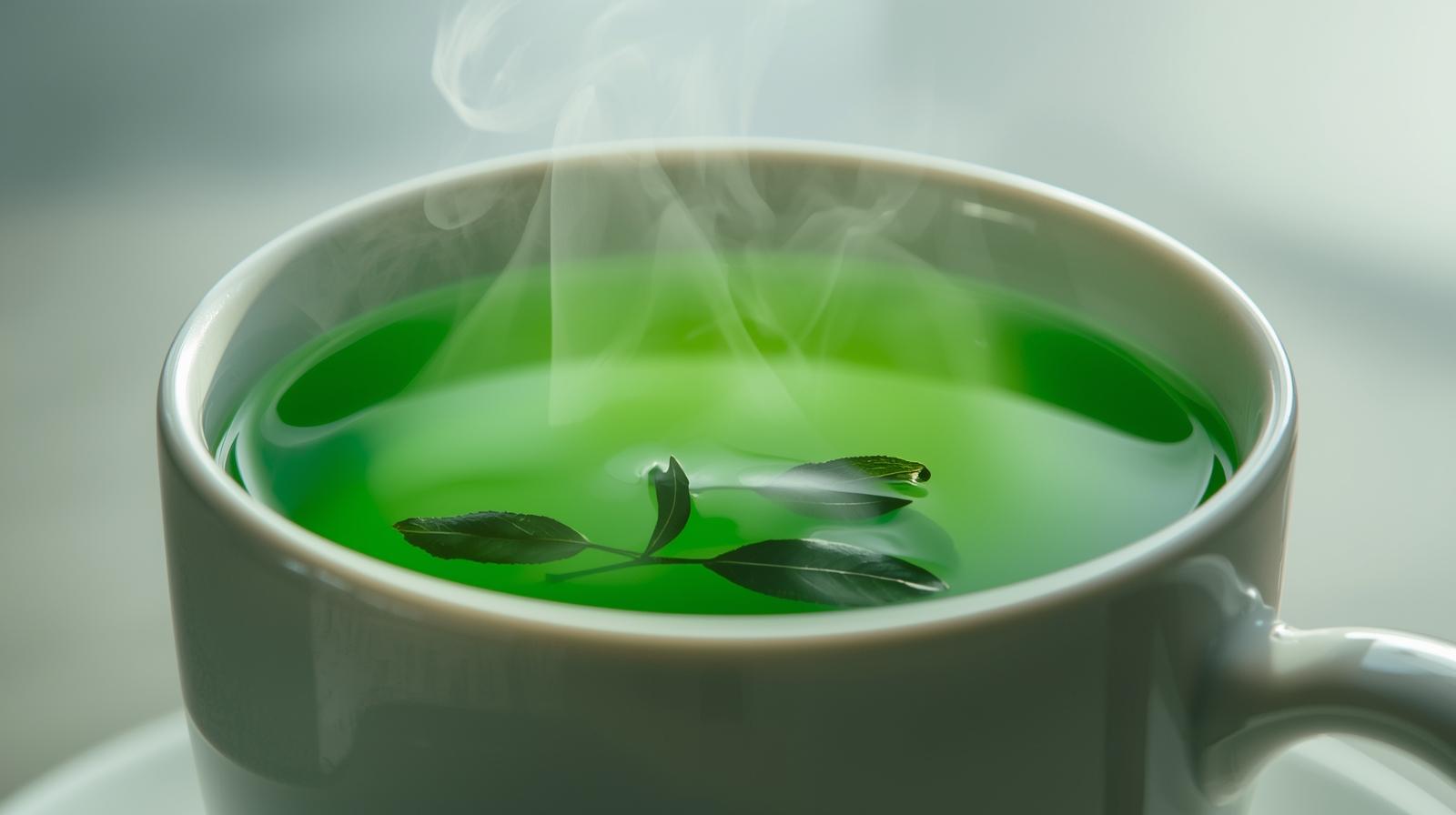
- Green Tea: Contains catechins that improve liver enzyme levels and reduce fat accumulation.
- Walnuts: Provide omega-3 fatty acids and amino acids that assist in detoxification.
2. Hydration and Herbal Teas
Adequate hydration is essential for flushing toxins. Herbal teas can further support liver function:
- Milk Thistle: Contains silymarin, known for its liver-protective and regenerative properties.
- Dandelion Root: Stimulates bile flow and supports digestion.
- Artichoke Leaf: Enhances bile production and helps lower cholesterol.
- Peppermint and Ginger: Aid digestion and reduce inflammation.
3. Homeopathic and Natural Remedies
Homeopathy views the liver as central to the body’s vitality. Remedies are chosen based on individual symptoms and constitution. Common remedies include:
- Chelidonium majus: For liver congestion, jaundice, and right-sided pain.
- Nux vomica: For liver sluggishness due to overindulgence in food, alcohol, or stress.
- Carduus marianus: For liver inflammation and detoxification support.
- Lycopodium: For bloating, gas, and sluggish digestion.
These remedies should be used under the guidance of a qualified homeopath.
4. Lifestyle Practices for Liver Health
- Gentle Movement: Activities like yoga, walking, and tai chi improve circulation and lymphatic flow.
- Deep Breathing: Oxygenation supports detoxification and reduces stress.
- Dry Brushing: Stimulates lymphatic drainage and skin detoxification.
- Adequate Sleep: The liver performs most of its detoxification during sleep, particularly between 1–3 a.m.
- Stress Management: Meditation, journaling, and time in nature help regulate cortisol levels.
5. Avoiding Liver Stressors
- Limit alcohol and caffeine.
- Choose organic produce to reduce pesticide exposure.
- Avoid synthetic fragrances and harsh cleaning products.
- Use natural skincare and body products.
- Maintain a healthy weight through balanced nutrition and regular movement.
Repairing and Regenerating the Liver
The liver has an extraordinary ability to regenerate. Even after significant damage, it can rebuild itself when given the right conditions.
Step 1: Reduce the Toxic Load
Eliminate or minimize exposure to alcohol, processed foods, and environmental toxins. Switch to natural cleaning and personal care products.
Step 2: Support Detoxification Pathways
The liver detoxifies in two main phases. Phase 1 breaks down toxins, and Phase 2 neutralizes and eliminates them. Nutrients like B vitamins, magnesium, zinc, and amino acids are essential for these processes.
Include foods rich in these nutrients:
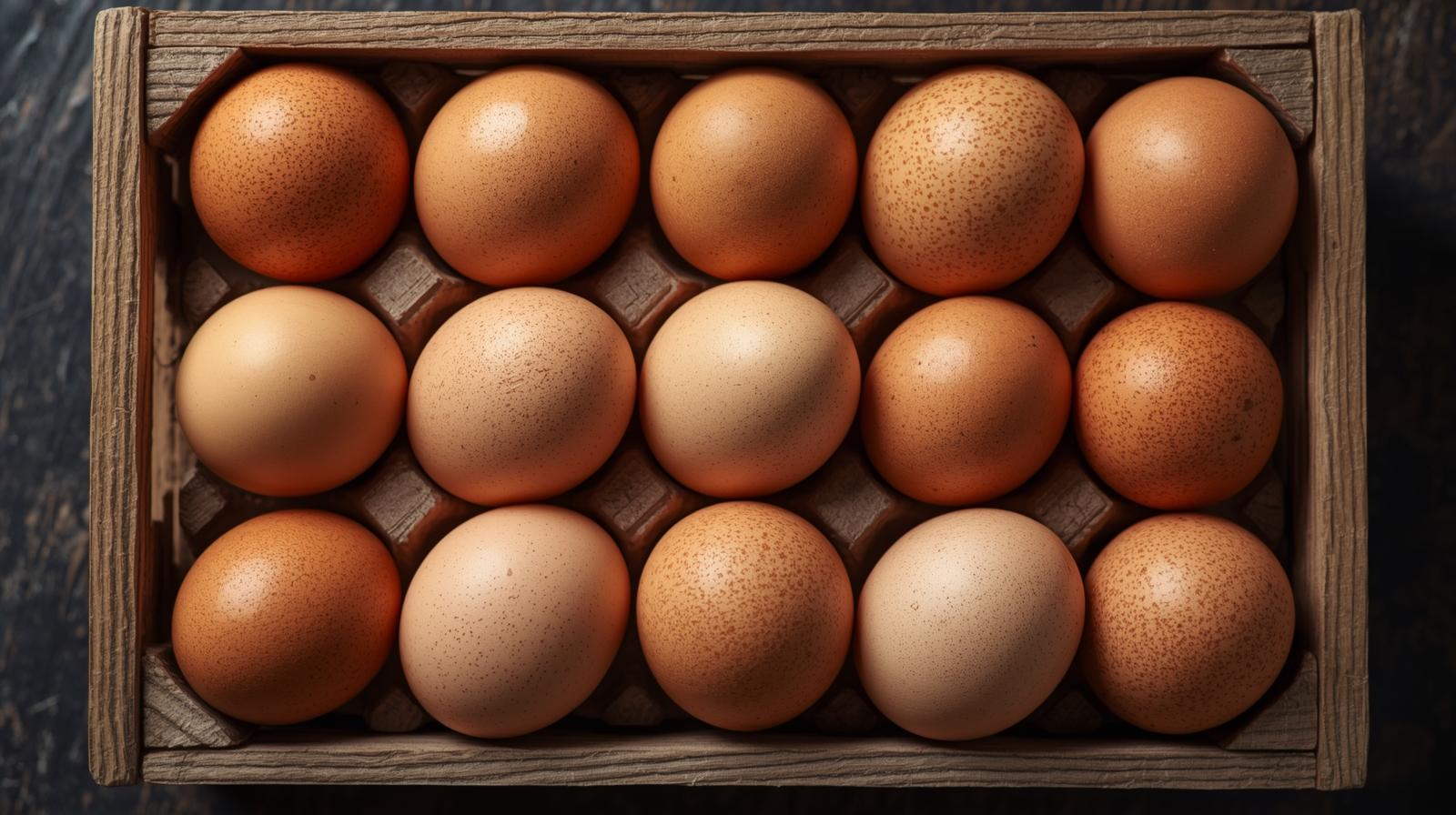
- B vitamins: whole grains, eggs, legumes
- Magnesium: leafy greens, nuts, seeds
- Zinc: pumpkin seeds, lentils, chickpeas
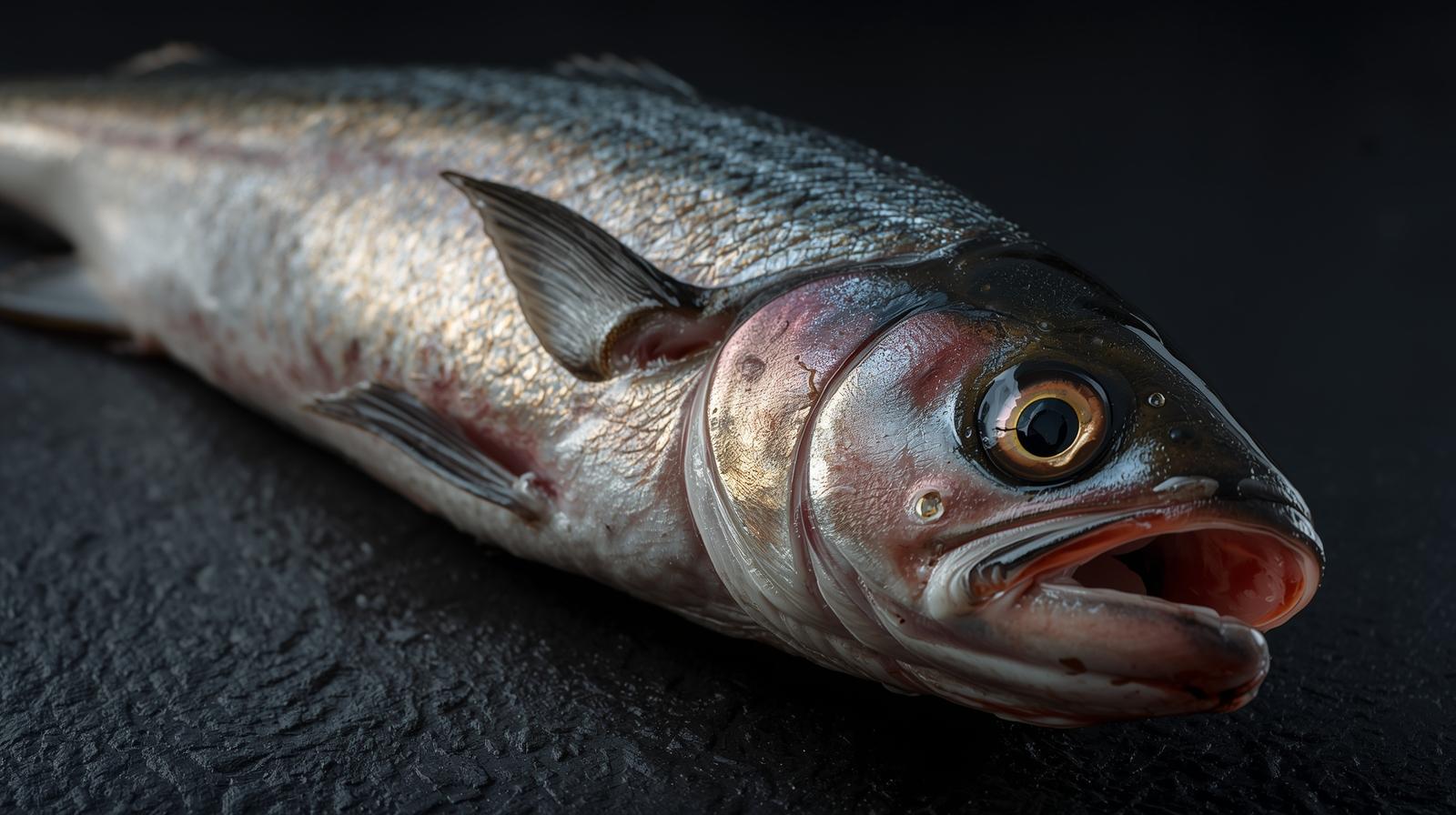
- Amino acids: quinoa, lentils, eggs, fish
Step 3: Heal the Gut
A healthy gut supports liver function by reducing the reabsorption of toxins. Include probiotic-rich foods like kefir, sauerkraut, and kimchi, and prebiotic foods like garlic, onions, and asparagus.
Step 4: Gentle Cleansing
Periodic liver cleanses can be beneficial when done safely. A short-term cleanse might include fresh vegetable juices, herbal teas, and light plant-based meals. Avoid extreme fasting or harsh detoxes, which can overwhelm the liver.
Step 5: Emotional Healing
In traditional Chinese medicine, the liver is associated with the emotion of anger. Suppressed frustration or resentment can manifest as liver stagnation. Practices like journaling, breathwork, and energy healing can help release emotional blockages.
Feeding and Protecting the Liver Long-Term
Sustaining liver health is about consistency rather than quick fixes.
Daily Habits for a Healthy Liver
- Start the day with warm water and lemon to stimulate bile flow.
- Eat a rainbow of vegetables to supply antioxidants and fiber.
- Include healthy fats like olive oil, flaxseed, and avocado.
- Avoid overeating and allow time between meals for digestion.
- Stay hydrated throughout the day.
- Prioritize rest and relaxation.
Seasonal Liver Support
- Spring: The liver’s season in traditional Chinese medicine. Focus on cleansing foods like greens, sprouts, and citrus.
- Autumn: Support with grounding foods like root vegetables and warming spices.
Protective Nutrients and Supplements
- Glutathione: The body’s master antioxidant, crucial for detoxification.
- Alpha-lipoic acid: Regenerates antioxidants and supports liver repair.
- Omega-3 fatty acids: Reduce inflammation and improve liver fat metabolism.
- Vitamin C and E: Protect liver cells from oxidative stress.
The Holistic View: The Liver as a Mirror of Balance
From a holistic perspective, the liver reflects the body’s overall state of balance. When the liver is clear and strong, energy flows freely, emotions are stable, and vitality radiates outward. When it is congested, stagnation occurs—physically, emotionally, and energetically.
Supporting the liver is not just about detoxification; it is about creating harmony in all aspects of life—nutrition, movement, rest, and emotional well-being.
Conclusion
The liver is the body’s silent guardian, tirelessly working to keep every system in balance. In a world filled with toxins and stressors, nurturing this vital organ through natural, holistic, and homeopathic means is one of the most powerful acts of self-care.
By choosing whole foods, reducing toxic exposure, embracing gentle movement, and supporting emotional health, the liver can thrive—and with it, the entire body. A nourished liver means clearer skin, brighter energy, balanced hormones, and a deeper sense of vitality.
The path to wellness begins with honoring the body’s innate wisdom—and the liver, ever faithful and resilient, is at the heart of that journey.